Retro Wooden Litter Box Coffee Table: Hide Litter in Style
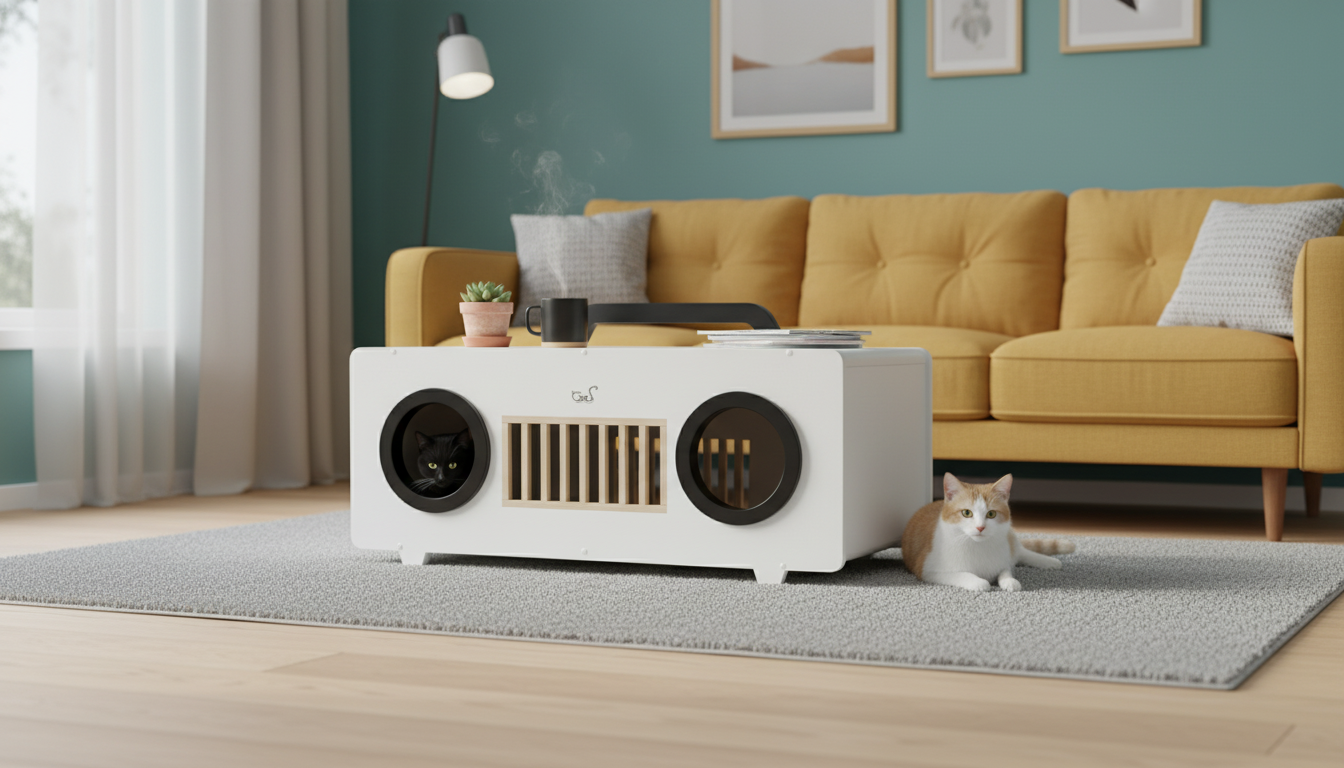
Retro Wooden Cat Coffee Table & Litter Box Combo: A Stylish Way to Hide the Litter Area
A coffee table that doubles as a litter box enclosure can make small spaces feel calmer and more coordinated—without sacrificing a cat’s comfort. A retro wooden combo table keeps the litter setup out of direct sight, helps corral scatter, and lets the living room function like a living room again. Below is a practical guide to how this type of table works, what to look for in day-to-day use, and how to set it up for cleaner routines and a better-looking common area.
What a coffee table litter box combo does (and why it helps)
A coffee table litter box combo combines a usable tabletop with a hidden litter area, which is especially helpful in studios, apartments, and guest-facing rooms. Instead of trying to “design around” an open box, the litter zone becomes part of the furniture layout.
- Reduces visual clutter: The box, litter bags, and scatter stay more contained, so the space reads as a living room—not a utility corner.
- Creates a defined bathroom zone: Cats often do better with predictable routines and clear locations, as long as access is easy and the interior is comfortable.
- Helps reduce tracking: Many enclosures include an interior pathway or turn before the exit, which can slow scatter and give paws a chance to shed litter.
- Supports better odor management: While an enclosure doesn’t “solve” odor on its own, it can help by keeping litter contained and making a consistent cleaning workflow easier to stick to.
- Looks like furniture: A wood coffee table silhouette blends into warm minimalist, mid-century, and vintage-inspired spaces better than most plastic litter housings.
Meet the Retro Wooden Cat Coffee Table & Litter Box Combo
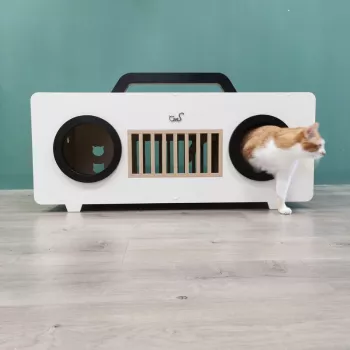
The Retro Wooden Cat Coffee Table & Litter Box Combo is designed to function as an everyday living-room coffee table while concealing a standard litter setup inside. The retro wood styling fits naturally with mid-century and vintage rooms, and it’s a strong option when the only workable litter location is near shared spaces.
For the cleanest day-to-day results, pair it with a low-dust clumping litter and place a textured mat outside the entry to catch particles before they spread. Current pricing and product images are available on the product page.
Quick facts
| Detail | Value |
|---|---|
| Product | Retro Wooden Cat Coffee Table & Litter Box Combo |
| Availability | In stock |
| Price | 812.01 USD |
| Product page | View details |
Sizing and layout: making sure a cat will actually use it
Style only matters if your cat accepts the setup. Cats tend to avoid boxes that feel cramped, difficult to enter, or placed where they feel trapped. Before choosing a spot, think about the cat’s experience from approach to exit.
- Interior space: Confirm the litter pan fits with room to turn around and dig comfortably. Tight clearances can lead to avoidance or mess outside the box.
- Entry placement: Position the unit so the entry isn’t blocked by sofa legs, baskets, or thick rug edges that brush the cat’s sides.
- Traffic vs. privacy: “Quiet but not isolated” works well—low foot traffic, but with a clear view out and an easy escape route.
- Multi-cat homes: One hidden enclosure rarely covers the full need. Many behavior experts recommend multiple boxes in different locations to reduce conflict and accidents.
- Senior or mobility-limited cats: Check entry height and any interior turning radius so the cat doesn’t have to crouch or twist uncomfortably.
Placement checklist for better daily use
| Item to check | Good sign | Warning sign |
|---|---|---|
| Approach path | Cat can walk in without squeezing | Entry faces a wall or tight corner |
| Noise level | Away from speakers/TV volume peaks | Next to loud appliances or door slams |
| Flooring | Easy to sweep/vacuum around | Deep-pile rug trapping litter |
| Accessibility | Scoop tools stored nearby | Hard to open/clean so it gets skipped |
Odor and airflow: what the enclosure can (and can’t) solve
For broader guidance on litter box management and common problems, see resources from the Cornell Feline Health Center, the ASPCA, and the AAFP/ISFM environmental needs guidelines.
Cleaning workflow that keeps it looking like furniture
Simple maintenance schedule
| Frequency | Task | Why it matters |
|---|---|---|
| Daily | Scoop and quick sweep | Prevents odor buildup and reduces tracking |
| Weekly | Wipe interior + mat clean | Cuts dust film and keeps the entry inviting |
| Monthly | Full litter change + pan wash | Reduces lingering smells and bacteria |
Styling ideas: matching the retro wood look to the room
Coordinating pieces to complete the setup
- Rustic Wood Sideboard for discreet litter supply storage (bags, scoop, wipes, and spare mats).
- Southeast Asian-Inspired Bamboo and Rattan Pendant Chandelier to warm up the space and complement wood tones.
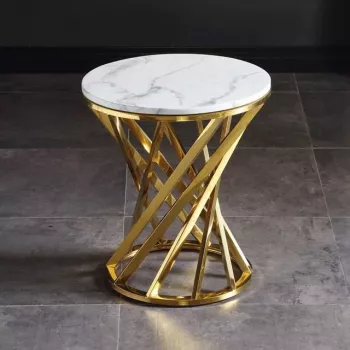
- Luxury Marble Round Coffee Table with Gold Stainless Steel Base as a contrasting centerpiece for rooms that don’t need a hidden litter solution.
Is this the right fit for your home?
FAQ
Will a cat use a litter box hidden inside a coffee table?
Most cats can adapt if the interior is roomy, the entry is easy to access, and the box is kept very clean. Transition slowly by placing the old box nearby first, then moving it into the enclosure once your cat investigates comfortably.
Does an enclosed litter box reduce odor in a living room?
It can reduce visual mess and contain some litter scatter, but odor control still relies on daily scooping, the right litter, and adequate airflow. Avoid heavy fragrances that can deter use.
How often should the litter be changed when using an enclosure?
Scoop daily. Do a full litter change and wash the pan about monthly (more often if odor builds up, multiple cats use it, or the litter type calls for it).











Leave a comment