Sleek Swivel Chair with Lift Backrest: Minimal Comfort
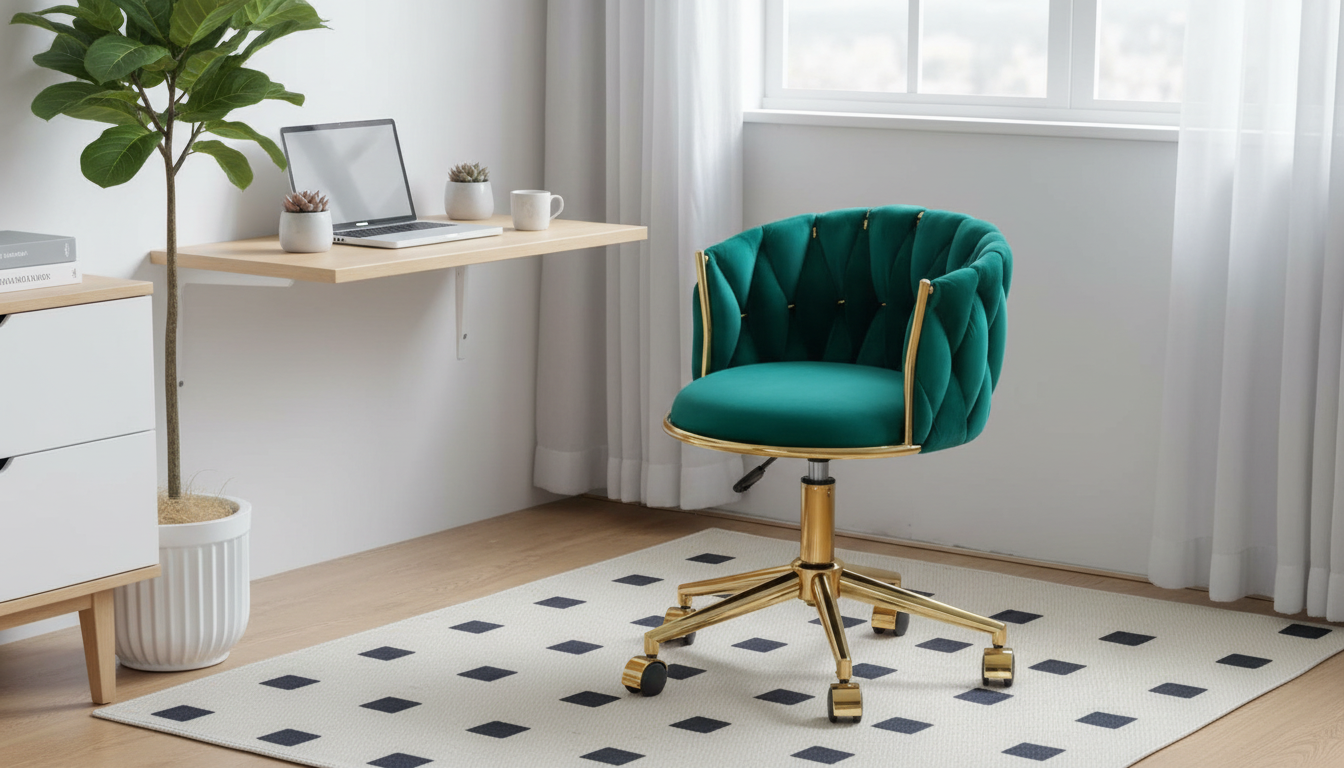
Modern Minimalist Swivel Chair with Lift Backrest: Clean Design, Adjustable Comfort
A modern minimalist swivel chair can do more than look streamlined—it can also adapt to different postures and tasks. A swivel chair with a lift backrest is designed to support comfortable sitting while keeping a light, contemporary profile that suits both work and lounge settings. If you’re furnishing a home office, refining a living room seating zone, or upgrading a studio apartment setup, this type of chair blends movement, flexibility, and an uncluttered silhouette.
What Makes This Chair Feel Modern and Minimal
Minimalism works best when each element has a job to do. With a modern swivel chair, that job is simple: keep the room visually calm while making everyday seating easier.
- Simple silhouette: A clean outline avoids visual clutter, helping the room feel open and intentional.
- Swivel function: Turning from desk to monitor to conversation area feels natural, especially in compact layouts.
- Lift backrest adjustability: Adds flexibility without relying on bulky controls that interrupt the design.
- Easy to style: Plays well with neutral palettes, warm wood tones, and mixed metal accents.
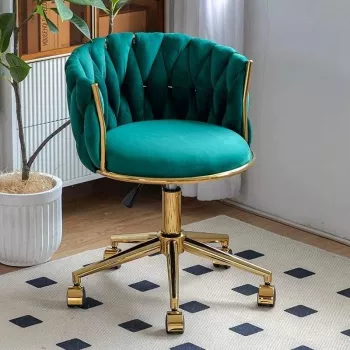
If you’re looking for a piece that stays sleek while adding everyday usefulness, consider the Modern Minimalist Swivel Chair with Lift Backrest for a streamlined look that still prioritizes comfort.
Lift Backrest: How Adjustability Changes Everyday Comfort
A lift backrest is a practical feature that tends to matter more over time. Instead of forcing one “correct” position, adjustable back height helps the chair meet you where you sit—upright during focused work, slightly lower during relaxed browsing, and somewhere in between for reading or planning.
- Better alignment for different bodies: Backrest height adjustment helps align support with different torso lengths and preferred sitting styles.
- Ideal for shared spaces: In a home office used by more than one person, adjustability reduces compromise.
- Supports a task-focused setup: After dialing in the backrest, fine-tuning desk height and monitor position becomes more effective.
- Encourages small posture changes: Micro-adjustments throughout the day can make long sessions feel less static.
Practical Adjustments and When to Use Them
| Adjustment | Best for | Quick cue |
|---|---|---|
| Lift backrest higher | Upright desk work, reading | Support feels centered behind the upper back |
| Lift backrest lower | Relaxed sitting, casual browsing | Shoulders feel less pushed forward |
| Use swivel more often | Multi-screen setups, collaborative spaces | Turn from the hips instead of twisting the spine |
For ergonomics fundamentals (chair, monitor, and keyboard alignment), two reliable references are the OSHA Computer Workstations eTool and Cornell’s Neutral Posture Guidelines.
Fit for Different Rooms and Layouts
A minimalist swivel chair can shift roles without looking out of place. That versatility is especially helpful if you’re furnishing a home with multi-use rooms.
- Home office: Swivel movement helps with tight desk corners and compact work zones.
- Living room: Clean lines blend with modern sofas and minimalist coffee tables.
- Bedroom corner: Creates a functional reading nook without the “office chair” vibe.
- Studio apartments: One chair can switch roles—desk seat by day, lounge seat by night.
To keep the area feeling open, plan a clear swivel radius so the chair can turn without bumping into side tables, walls, or floor lamps. If the chair sits near a walkway, angle it slightly toward the room so it reads as intentional seating rather than leftover office furniture.
Build, Materials, and Long-Term Use
Minimal design doesn’t mean minimal durability. The details that matter most are often the least visible—stability, smooth motion, and materials that hold up to real life.
- Stable swivel action: Prioritize wobble-free turning, especially if you’ll use it for work or daily reading.
- Floor compatibility: Consider a rug or protective mat to reduce scuffs and noise on hard surfaces.
- Upholstery care: Vacuum regularly and spot-clean quickly to prevent stains from setting.
- Re-check fasteners: After moving the chair or changing its placement, a quick hardware check helps maintain stability.
For broader furniture safety and durability guidance, BIFMA’s resources are a helpful reference point: BIFMA Standards and Furniture Safety Resources.
Styling Ideas: Pairing with Statement Pieces (Without Losing the Minimal Look)
The easiest way to keep a minimalist chair feeling elevated is to pair it with one or two bolder elements—then stop before the space gets busy. Think contrast in shape, texture, or material, while keeping the palette disciplined.
Easy Pairings for a Cohesive Room
| Piece | Why it pairs well | Placement tip |
|---|---|---|
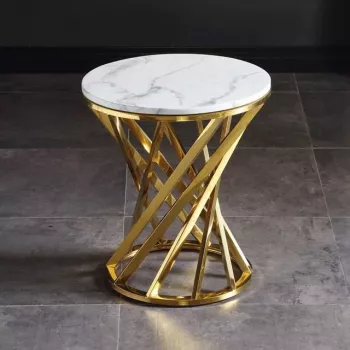
| Luxury Marble Round Coffee Table with Gold Stainless Steel Base | Contrasts the chair’s vertical lines with a softer shape and a refined surface | Center it to maintain clear swivel space |
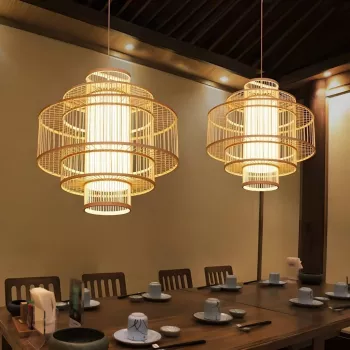
| Southeast Asian-Inspired Bamboo and Rattan Pendant Chandelier | Creates a focal point without adding floor clutter; adds texture to minimal rooms | Hang above the seating zone or coffee table |
| Rustic Wood Sideboard | Adds storage and warmth; keeps the room practical and visually grounded | Use as a backdrop behind the chair or along a side wall |
Quick Setup and Care Checklist
FAQ
Is a lift backrest helpful for long desk sessions?
Yes—adjustable back support can improve comfort by aligning support with different body heights and letting you vary posture during long stretches. For best results, pair the backrest setting with proper desk and monitor height so your shoulders and neck stay neutral.
Will a swivel chair work on hardwood floors?
It can, but adding a chair mat or a low-pile rug helps reduce scuffs and dampen noise. It’s also worth checking the chair’s base type and using felt pads where appropriate to protect delicate finishes.
How should the chair be placed in a small room?
Leave a clear swivel radius so turning doesn’t collide with walls or nearby furniture, and avoid blocking main pathways. If the chair is for reading or work, placing it near natural light helps, and a compact side table or wall-mounted lighting can save floor space.









Leave a comment