No-Pull Reflective Dog Harness & Leash Set: Fit Guide
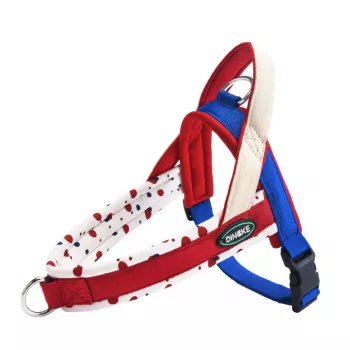
Adjustable No-Pull Dog Harness & Leash Set with Reflective Safety Design
A comfortable walk starts with gear that fits well, discourages pulling without choking, and stays visible in low light. This adjustable harness and leash set combines a secure fit, a no-pull style attachment point, and reflective details designed to improve everyday walking safety. For daily neighborhood loops, quick potty breaks, or training sessions, the right setup can make walking feel calmer for both dog and handler. For more guidance, see 4 Best No-Pull Dog Harnesses to Stop Pulling on Leash.
What Makes a No-Pull Harness Feel Different on Walks
No-pull harnesses are designed to change how pressure is distributed and how pulling momentum is handled. Instead of relying on a collar at the neck, a harness supports the chest and torso—areas better suited to handle gentle guidance during movement. For further reading, see NWT MASBRILL Padded Adjustable Reflective Dog Harness ….
- Shifts pressure away from the neck and toward the chest/torso to reduce coughing and gagging compared with collar-only walking.
- No-pull attachment options (commonly a front-clip) can gently redirect the dog’s body when pulling starts.
- Offers better control for crossing streets, passing other dogs, or navigating crowded sidewalks.
- A more stable fit can reduce sudden twisting or backing out when properly adjusted.
Training still matters, but many handlers find a no-pull configuration helps create clearer feedback: pulling becomes less rewarding, while staying near you is more comfortable.
Reflective Safety for Early Morning and Night Walks
Visibility is a real-world safety feature, not just a nice-to-have. Reflective accents can help drivers, cyclists, and other pedestrians notice your dog’s outline when light hits the material.
- Reflective details help the dog stand out when headlights or streetlights strike the harness or leash.
- Visibility improves from multiple angles when reflective trim on the harness is paired with a reflective leash.
- In very dark areas, pairing reflective materials with an active light (like a clip-on LED) adds an extra layer of visibility.
- Especially useful for urban walks, school-run hours, and winter evenings when daylight is limited.
For leash-manners guidance that complements gear choice, reputable training resources like the ASPCA loose-leash training tips and the American Kennel Club leash training guidance offer practical, reward-based approaches.
Fit and Comfort: Getting Adjustments Right
The best harness in the world won’t help if it’s rubbing, sliding, or sitting in the wrong place. Before ordering, measure your dog’s girth (the widest part of the chest behind the front legs) and the lower neck area, then compare to the product’s size guidance.
- Aim for a snug fit that allows two fingers under the straps; too loose can increase rubbing or escape risk.
- Check strap placement to avoid armpit pinching and keep hardware from pressing into the shoulder.
- Re-check fit after grooming, weight changes, or seasonal coat changes.
Quick Fit Checklist Before Every Walk
| Check | What to Look For | Fix If Needed |
|---|---|---|
| Neck/upper strap | Two-finger room; not riding up toward the throat | Loosen or reposition; ensure it sits low on the neck/upper chest |
| Chest/girth strap | Secure behind front legs; no armpit rubbing | Tighten slightly or shift harness back so it clears the armpits |
| Leash attachment point | Clip closed; ring centered; no twisting | Unclip and re-seat the harness so rings sit flat |
| Movement test | Dog can sit, step, and turn comfortably | Adjust straps gradually and re-test after a short walk |
How to Use the Harness and Leash Set for Better Leash Manners
Gear can support training, but it doesn’t replace it. A simple routine helps your dog understand what earns forward progress and what pauses the walk.
- Start indoors: let your dog sniff the harness and reward calm behavior with it on before heading outside.
- For training walks, attach the leash to the recommended no-pull point and use consistent cues and rewards for a slack leash.
- Keep sessions short at first; increase distance as pulling reduces.
- Avoid constant tension—reward the instant the leash slackens so your dog learns what “works.”
- If pulling starts, add structure: stop, wait for slack, then move again.
Who This Set Tends to Work Best For
Care, Durability, and Daily Maintenance
Product Details and Buying Notes
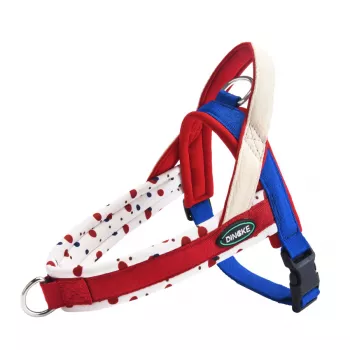
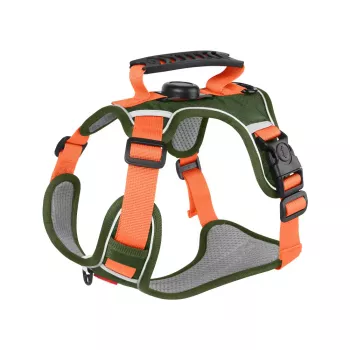
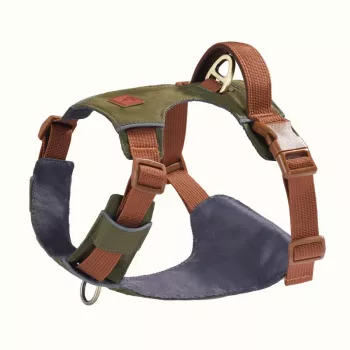
If you’re looking for a matched walking setup designed for daily use, the Adjustable No-Pull Dog Harness & Leash Set with Reflective Safety Design combines adjustable straps, a no-pull style configuration intended to reduce pulling by redirecting forward momentum, and reflective safety elements for low-light conditions. The included leash keeps your walk kit coordinated and easy to grab on the way out.
To keep gear organized at home or while traveling, a simple storage option can help prevent leash tangles and lost clips. The Large Capacity Non-Woven Clothes & Quilt Storage Bag Organizer can be repurposed as a lightweight bin for pet walking supplies (harness, leash, wipes, and a towel), especially if you rotate items by season.
FAQ
Does a no-pull harness stop pulling completely?
A no-pull harness can reduce pulling by redirecting your dog’s motion and giving you clearer control, but it doesn’t guarantee pulling will disappear overnight. Consistent training, rewards, and good timing are still important, and results vary by dog.
Where should the leash clip for no-pull walking attach?
Many no-pull setups use a front-chest attachment point so that when pulling starts, the dog is gently turned and redirected. Follow the harness’s intended attachment points, and use the back clip when a more casual, relaxed walk is appropriate for your dog.
How tight should an adjustable harness be?
Use the two-finger rule: the harness should be snug but allow two fingers under the straps without digging in. It should avoid armpit rubbing and throat pressure, and it’s smart to re-check the fit after a few minutes of walking.













Leave a comment