Two-Level Solid Wood Cat Villa with Hidden Litter Box
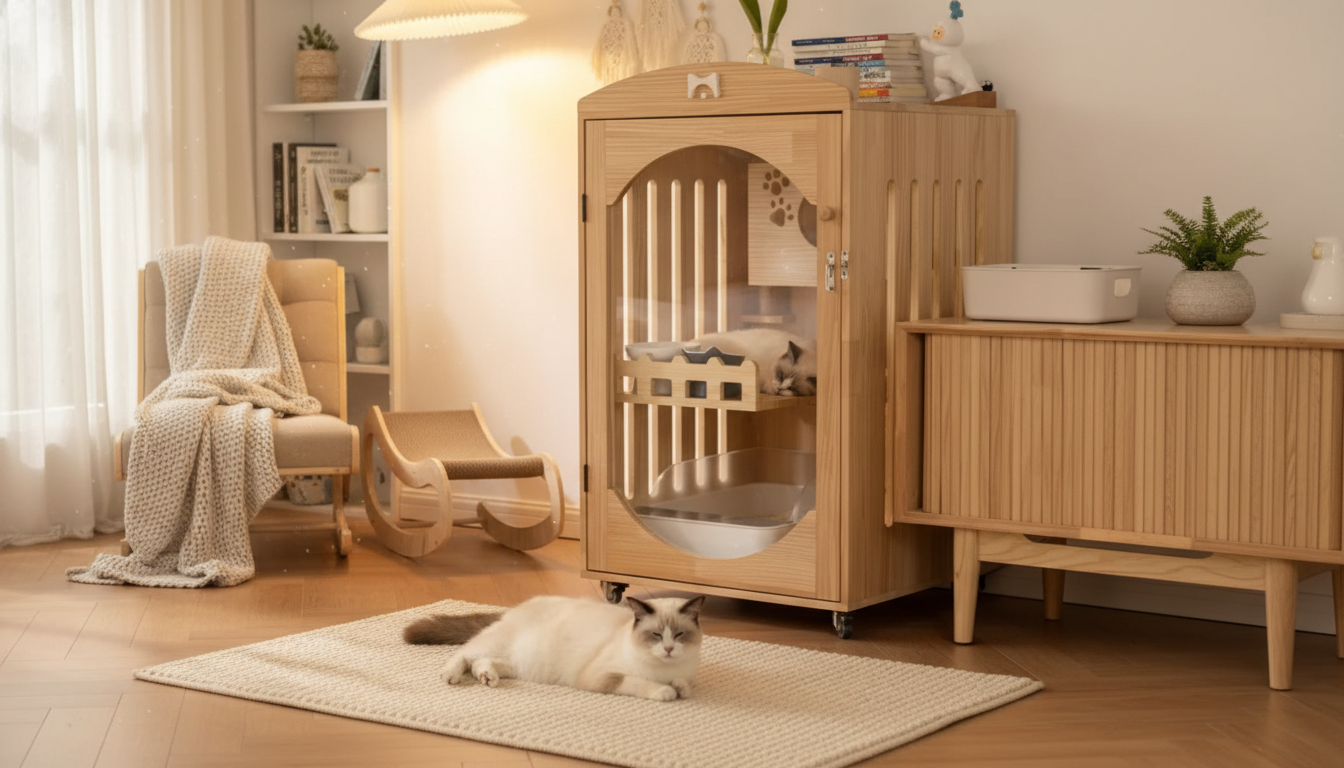
Luxurious Two-Layer Solid Wood Cat Villa with Integrated Toilet
A refined indoor cat setup can do more than hide the litter box—it can shape calmer routines, reduce everyday mess, and look intentional in a shared living space. A two-layer solid wood cat villa with an integrated toilet blends a private restroom zone with a cozy two-level retreat, giving cats a predictable place to go while keeping the rest of the room feeling more orderly.
For homes where the litter area has to live in a bedroom, office, or living room, a furniture-like enclosure can make daily care feel simpler without turning your space into a “pet corner.”
What Makes a Two-Layer Cat Villa Different
A two-layer layout supports the way many cats naturally divide their day: resting low and observing high. The separation between levels helps create distinct “zones,” which can be especially valuable in busier households.
- Two distinct levels encourage natural behaviors: hiding/resting below and observing/perching above.
- A built-in toilet area helps keep the “bathroom” separate from bedding and lounging zones.
- An enclosed structure can reduce litter scatter and visual clutter compared with open trays.
- A furniture-like footprint suits living rooms, offices, and bedrooms where pet items are usually hard to disguise.
If you’re upgrading from an exposed litter pan and a separate cat condo, consolidating both functions into one piece can also simplify placement and cleaning routines.
Integrated Toilet Area: Cleaner Routines, Less Odor Drift
Many cats prefer a bit of privacy when using the box. An integrated toilet compartment provides a consistent, enclosed spot that can help cats feel secure while also making the room look tidier.
- Dedicated compartment supports consistent litter habits by creating a predictable, private space.
- Helps contain tracking by placing litter access within a defined entry/exit path.
- Improves room appearance by keeping the litter box out of direct sight.
- Pairs well with a litter mat at the entry and low-dust litter to further reduce mess.
- Works best with daily scooping and periodic wipe-downs of interior surfaces.
For practical cat-care guidance on toileting needs and litter setup, resources like International Cat Care can be helpful when refining routines—especially during transitions from open to enclosed boxes.
Solid Wood Benefits for Stability and Style
Material choice matters when a cat enclosure is used multiple times a day. Solid wood construction offers a stable feel under jumping, climbing, and quick pivots, while also blending more naturally with home furnishings.
- Heavier, sturdier feel than many lightweight pet enclosures—useful for active jumpers.
- Wood surfaces are generally easier to wipe clean than porous fabrics used in some cat condos.
- A premium look that can complement modern, rustic, or classic interiors.
- To protect the finish, place absorbent pads or a waterproof liner in high-contact spots.
Moisture control is simple but important: wipe spills promptly, let the compartment dry fully after cleaning, and prioritize pet-safe products. General pet-care recommendations from the American Veterinary Medical Association (AVMA) can help guide safe household choices.
Comfort and Enrichment Across Two Levels
Beyond litter management, the two-level format adds daily enrichment. Cats often feel safer with an elevated vantage point, while a lower “den” can become a favorite decompression spot.
- Upper level offers a sense of security and vantage, especially in multi-pet households.
- Lower level provides a den-like hideaway that can reduce stress for shy cats.
- Add a washable cushion on the lounge level and a scratch pad nearby to redirect scratching.
- Encourage exploration by placing treats or catnip in the upper area during the first week.
If your cat tends to avoid enclosed spaces at first, keep introductions calm and gradual; many cats do best when they can investigate on their own schedule. For broader cat comfort and care basics, the ASPCA’s cat care library is a reliable reference.
Placement Tips for a Calm, Private Setup
At-a-Glance Guide: Features and Everyday Benefits
| Feature | Why It Helps | Best For |
|---|---|---|
| Two-level layout | Separates lounging and movement zones; supports climbing instincts | Cats that like to perch, observe, or nap off the floor |
| Integrated toilet compartment | Creates privacy and reduces visual clutter; can help contain litter mess | Homes where the litter box needs to stay in shared spaces |
| Solid wood structure | Improves stability and furniture-like appearance; easy surface wipe-down | Active cats and owners who prefer decor-friendly pet furniture |
| Enclosed design | Helps reduce odor drift and tracking when paired with good litter habits | Apartments and smaller rooms |
| Defined entry/exit path | Encourages cleaner paws and more consistent routines | Cats that track litter or kick during digging |
Care, Cleaning, and Long-Term Use
Who This Villa Suits Best
In-Stock Picks to Complete a Polished Cat-Friendly Space
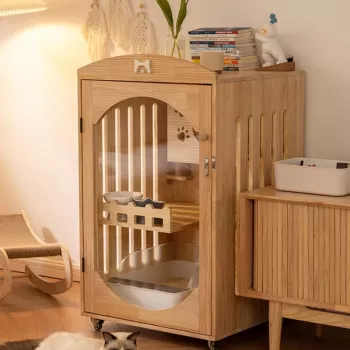
- Luxurious Two-Layer Solid Wood Cat Villa with Integrated Toilet (solid wood hideaway + integrated toilet compartment)
- Rustic Wood Sideboard (extra closed storage for litter, liners, and pet-safe wipes)
- Luxury Marble Round Coffee Table with Gold Stainless Steel Base (a sleek centerpiece that balances pet-friendly furniture with a high-end look)
FAQ
Will cats use an enclosed toilet area if they are used to an open litter box?
Most cats transition well with a gradual introduction. Keep the entry unobstructed at first, use the same litter they already know, and consider placing a small amount of used litter inside so it smells familiar.
How often should the integrated toilet compartment be cleaned?
Scoop daily to prevent odor buildup and keep the area inviting. Wipe interior surfaces weekly, and do a deeper clean during full litter changes—more often if multiple cats share the unit.
Is solid wood safe around litter and moisture?
Yes, with basic upkeep. Use a mat or liner, clean spills quickly, and let the compartment dry fully after wiping to help protect the finish over time.










Leave a comment