Luxury Wooden Hamster Villa: Safe, Stylish Setup Guide
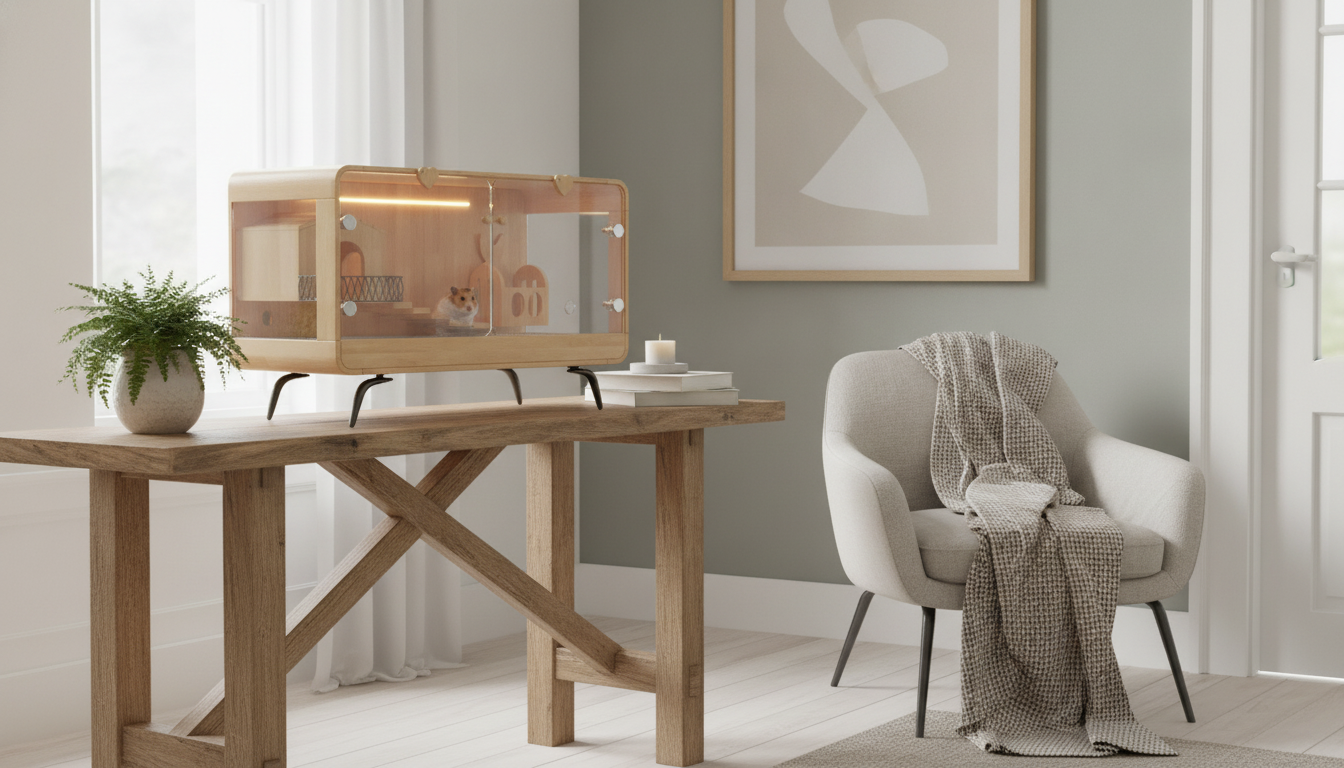
Luxury Wooden Hamster Villa: A Boutique Habitat for Comfort, Enrichment, and Style
A well-designed hamster habitat balances space, safety, ventilation, and enrichment—without sacrificing the look of a carefully curated home. The Luxury Wooden Hamster Villa leans into a refined wood build and a room-like layout that supports natural behaviors such as exploring, nesting, burrowing, and foraging. The result is a display-worthy enclosure that can still function like a true habitat when it’s set up thoughtfully. For more guidance, see [PDF] Azahares 2026 – University of Arkansas – Fort Smith.
What Makes a Villa-Style Habitat Different
Villa-style habitats stand out because they feel more like a small “home” than a standard cage. Instead of one open space with a few accessories dropped in, the goal is to create defined areas that guide daily routines and encourage healthy activity. For further reading, see Inflexions 7: Animating Biophilosophy: RV (Room Vehicle) Prototype.
- Room-like zoning: Dedicated areas can be created for nesting, feeding, and movement, helping the hamster settle into predictable patterns.
- Wood-forward design: A wooden look can blend into living spaces and read more like décor than pet equipment.
- Enrichment-friendly layout: Clear zones make it easier to plan hides, tunnels, substrate depth, and toy rotation.
- Visible-space appeal: If the enclosure sits in a bedroom, office, or living room, a villa aesthetic can feel more intentional and less utilitarian.
Luxury Wooden Hamster Villa at a Glance
Product: Luxury Wooden Hamster Villa
Availability: In stock
Best suited for: Owners who want a display-worthy habitat that can be enriched with hides, bedding, and accessories
Practical focus: Creating a calm nesting zone, an activity zone, and easy-to-maintain feeding placement
Quick checklist before setting up
| Setup item | Why it matters | What to do |
|---|---|---|
| Ventilation | Supports healthy airflow and reduces condensation | Keep air openings unobstructed; avoid placing enclosure in direct sun |
| Bedding depth | Promotes burrowing and nesting behavior | Provide a deep, compactable base layer where possible |
| Hideouts | Reduces stress and supports sleep cycles | Add at least one fully enclosed hide plus a secondary shelter |
| Wheel size | Prevents back strain during running | Choose a solid-surface wheel sized appropriately for the hamster species |
| Chew items | Supports dental wear and prevents boredom | Add safe wooden chews and rotate regularly |
Materials, Safety, and Everyday Durability
Wooden habitats can feel calmer than all-wire setups—often quieter during nighttime movement and more comfortable as a “home base.” Safety comes down to smart setup choices and routine checks.
- Stick to pet-safe items: Use only non-toxic accessories and avoid scented woods or unknown finishes that could irritate sensitive respiratory systems.
- Inspect the interior regularly: Look for sharp edges, exposed fasteners, or gaps that could snag toes; address issues immediately.
- Plan for chewing: Some hamsters are determined chewers. Keep a rotation of safe chew items and pay extra attention to corners and high-contact edges.
For broader care guidance beyond housing style, reputable references like the RSPCA hamster advice and PDSA hamster care are helpful for understanding day-to-day needs.
Layout Ideas: Turning the Villa Into a True Habitat
A beautiful enclosure becomes a genuinely enriching home when it’s organized around what hamsters naturally do: hide, tunnel, gather food, and run. A simple zoning approach keeps the setup functional and visually tidy.
Nesting zone
Place an enclosed hide in a quieter corner and line it with soft, unscented nesting material. Keeping the sleep space sheltered helps reduce stress and supports consistent rest.
Foraging zone
Instead of serving all food in a bowl, scatter-feed part of the daily diet. This encourages natural searching behavior and adds low-effort enrichment that fits villa-style layouts.
Dig zone
Reserve an area with deeper substrate (or add a dig box) so burrowing instincts have an outlet. Even in a refined setup, a “messier” digging corner is often the most-used feature.
Activity zone
Position the wheel, a tunnel, and a couple of climbing-safe items in an open section. Keep heights conservative and avoid hard objects under elevated areas to reduce fall risks.
Water and food placement
Use stable, tip-resistant dishes and keep them away from the primary sleeping area. This helps the nesting zone stay dry and reduces the odds of food dust mixing into bedding.
Cleaning and Maintenance Without Stress
Hamsters rely heavily on familiar scent cues. Over-cleaning can be as disruptive as under-cleaning, so the goal is a steady rhythm that keeps the villa fresh while preserving the hamster’s comfort.
Who This Villa Suits Best
Pairing With Home Décor Without Compromising Pet Needs
If you’re styling a cohesive corner of a room, warm wood accents can complement the enclosure’s look—pieces like a Rustic Wood Sideboard can help create a consistent, natural palette nearby. For a more polished contrast in the same space, the Luxury Marble Round Coffee Table with Gold Stainless Steel Base offers a clean, modern counterpoint without competing visually with the villa’s wood tone.
FAQ
Is a wooden hamster enclosure safe for everyday use?
Yes, wood can be safe for daily use when the habitat is kept dry, paired with pet-safe accessories, and inspected routinely for chewing damage. Avoid scented woods or unknown finishes, and monitor corners or edges that receive the most wear.
How much bedding should be used in a villa-style setup?
Provide a deep, compactable bedding layer where possible so burrowing and nesting behaviors are supported. Exact needs vary by species, and adding a deeper “dig zone” or dig box can help if the full base can’t be equally deep.
How often should the enclosure be cleaned without stressing the hamster?
Spot-clean daily and do partial bedding changes as needed, rather than frequent full strip-down cleans. Keeping a small amount of clean, familiar bedding helps preserve scent cues and reduces stress during maintenance.













Leave a comment