TiO2 Self-Cleaning Litter Box: Setup, Odor & Care
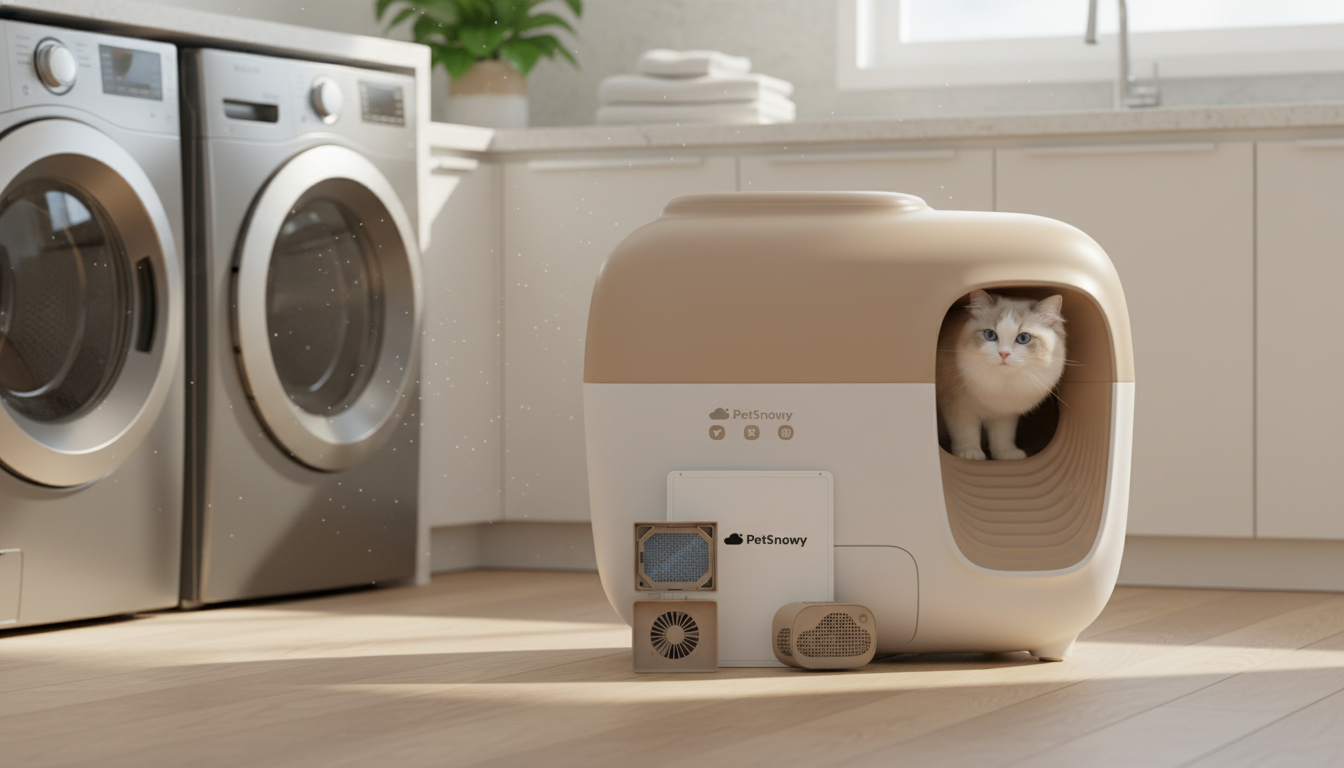
Odor-Free Automatic Self-Cleaning Cat Litter Box with TiO2 System
A self-cleaning litter box can cut daily scooping down to quick waste-bag changes while keeping odors under control. This guide explains how an automatic unit with a TiO2-based deodorizing system fits into real homes—what it does well, what to watch for, how to set it up, and how to keep it running smoothly for one or multiple cats. For more guidance, see [PDF] WHAT CATS WANT US TO KNOW ABOUT CATS.
What the TiO2 deodorizing system is meant to do
TiO2 (titanium dioxide) is commonly used in photocatalytic deodorizing and air-cleaning applications. In an automatic litter system, it’s intended to help break down odor-causing compounds rather than simply covering smells with fragrance. The practical goal is a “less stink between clean-outs” effect—especially helpful in apartments, laundry rooms, or any space where a litter box shares air with the rest of the home. For further reading, see Automatic Cat Litter Box Bags PetCove Self Cleaning Litter Box Liners.
Odor control usually works best as a combined approach: prompt waste separation (so waste isn’t sitting in open litter), sensible airflow and sealing, a deodorizing element (like TiO2), and a litter type that clumps well and stays relatively low-dust. Even the best deodorizing tech can be undermined by a stuffed waste bin, a lid that doesn’t seal, or an unventilated corner.
Real-world performance depends on placement (ventilation), humidity, cleaning cadence, and how quickly waste is isolated after each visit. For general cat-care guidance and hygiene habits, the AVMA’s cat resources are a solid reference: https://www.avma.org/resources/pet-owners/petcare/cats. For background on titanium dioxide, see the U.S. EPA overview: https://www.epa.gov/chemical-research/titanium-dioxide.
How automatic self-cleaning works day to day
Most automatic boxes follow a predictable rhythm. First, a detection step identifies that a cat has completed a visit (often using weight, motion, or presence sensing). Then the unit waits briefly so clumps can fully form. Next, a cleaning cycle sifts or separates clumps and solids from clean litter and moves the waste into a sealed compartment or bag. Finally, a deodorizing stage (sealing, filtering, and/or TiO2 treatment) helps reduce lingering smells until the next bin change.
Once the initial setup is dialed in, many homes settle into a simple routine: top up litter to the fill line, replace liners or empty the waste bin before it’s overfull, and wipe key contact points on a schedule.
| Task | Manual box | Automatic self-cleaning box |
|---|---|---|
| Remove waste | Scoop 1–2 times daily | Bin/liner change every few days (varies by cat count) |
| Odor control | Relies on litter + frequent scooping | Faster waste isolation + sealed bin and deodorizing support |
| Deep clean | Box wash as needed | Periodic disassembly/wipe-down plus full clean on schedule |
| Mess around the box | Often tracked litter + uncovered odors | Depends on entry design and mat; still benefits from a litter-trapping mat |
Best-fit homes and cats
Automatic self-cleaning litter boxes tend to shine in a few common situations:
- Busy schedules: Less daily chore time, with waste kept more consistently contained.
- Smaller spaces: Faster waste isolation can help the room smell fresher when the box sits near living areas.
- Multi-cat households: Convenience improves, but capacity and bin-change frequency matter more; some homes still prefer more than one box.
- Cats that prefer clean litter: Cycling can keep the litter bed more inviting between full litter changes.
Not every cat loves an automatic box immediately. Timid cats or cats sensitive to noise and motion often do best with a slower introduction, starting with the unit powered off so it feels like a normal box.
Setup that prevents most odor and performance problems
A careful setup can prevent the majority of “it smells” or “it jammed” complaints:
If litter box avoidance becomes a pattern, it’s worth reviewing behavior and health factors; the ASPCA’s overview of litter box problems is a helpful starting point: https://www.aspca.org/pet-care/cat-care/litter-box-problems.
Cleaning and maintenance schedule
Safety and comfort considerations
Costs to expect beyond the purchase
Common issues and quick fixes
Product options (in stock)
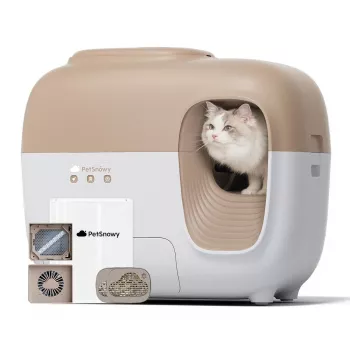
- Odor-Free Automatic Self-Cleaning Cat Litter Box with TiO2 System: a premium option designed to reduce daily scooping and support fresher-smelling rooms through rapid waste isolation and a TiO2-based deodorizing approach. Best practices still apply—correct litter, smart placement, and consistent bin changes make the biggest difference.
- Rustic Wood Sideboard: a convenient way to organize liners, wipes, and spare litter in a single “cat station,” keeping maintenance supplies close without adding visual clutter.
- Luxury Marble Round Coffee Table with Gold Stainless Steel Base: useful in small living areas where keeping the litter zone tidy matters—extra surface space can help corral odor-control supplies (sealed containers, wipes, and bags) away from food-prep areas.
FAQ
How often does the waste bin need to be emptied?
For one cat, many homes land around every 2–5 days, while multi-cat setups may need changes every 1–3 days. The best rule is simple: don’t let the bin overfill, because sealed compartments control odor best when they can fully close.
Is a TiO2 deodorizing system safe to use around cats?
TiO2 is widely used in consumer applications, but safety depends on the specific device design and proper use. Follow the manufacturer’s instructions, keep components intact, and use the unit in a reasonably ventilated area.
Will a cat that is afraid of noise use an automatic litter box?
Often yes, with a gradual introduction: let the cat explore the unit while it’s powered off, reward calm investigation, and delay auto-cycles until the cat is using it confidently. Keep a backup box available during the transition and place the unit in a quieter location.












Leave a comment