Hydraulic Auto Roof Tent: Quick Setup for Road Trips
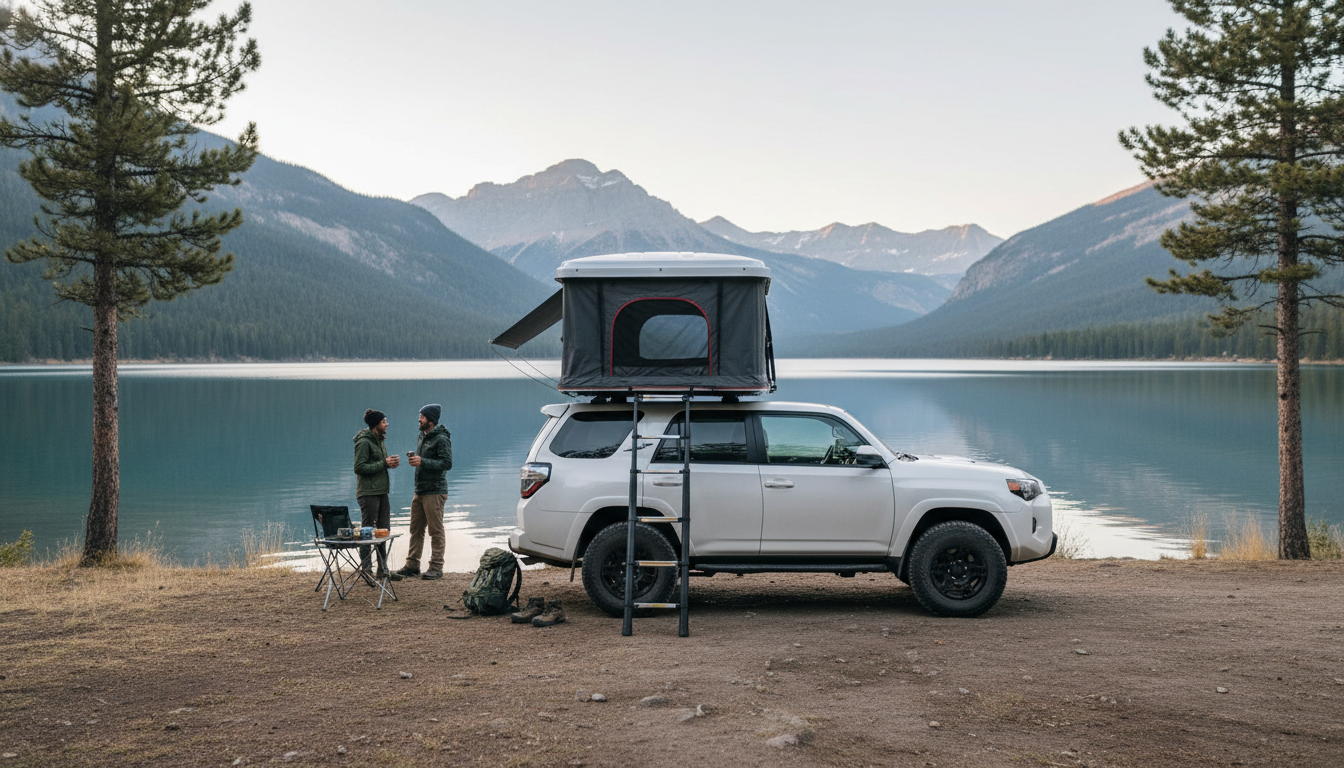
Hydraulic Automatic Car Roof Tent: Fast Setup Comfort for Road-Trip Camping
A hydraulic automatic car roof tent brings the convenience of near-instant setup to vehicle-based camping, combining a hard-shell travel profile with assisted opening and a protected sleeping platform above the ground. For weekend getaways, multi-stop road trips, and overland routes where daylight (or patience) runs short, the hydraulic lift makes the difference between “pull in and sleep” and “wrestle with gear.” Below is a practical guide to how these tents work, what to verify before mounting, and how to keep them operating smoothly season after season.
What a Hydraulic Automatic Roof Tent Is
A hydraulic automatic roof tent is a roof-mounted sleeping shelter that opens with hydraulic assistance, reducing the effort and time needed to deploy and close. Most models combine a rigid hard shell for travel with fabric walls that expand once the top lifts, creating a comfortable sleeping space without a ground footprint.
This style is especially useful for quick roadside overnights, established campgrounds, and itineraries with frequent stops—situations where speed matters and you want to keep your bedding and sleep surface elevated. Being off the ground also helps avoid puddles, uneven terrain, insects, and minor debris that can creep into ground tents.
How the Hydraulic Opening System Helps
The hydraulic system is designed to make setup feel consistent and controlled. Instead of relying on manual lifting alone, the assisted lift supports the roof as it rises, so opening feels smoother and less physically demanding—especially helpful after a long drive or when traveling solo.
During pack-down, hydraulics can also help prevent sudden drops, making the closing motion more predictable. That doesn’t remove the need for careful technique (you’ll still need to tuck fabric and confirm latches), but it can reduce the “fight” many campers associate with rooftop tent teardown in poor weather.
Practical tip: keep hinges, seals, and moving parts clean and free of grit. Dust and sand are common culprits for sticky operation and premature wear.
Vehicle and Rack Compatibility Checks
Before buying any rooftop tent—hydraulic or not—compatibility should be treated as a safety checklist, not a guess.
Roof load rating (dynamic vs. static)
Rack system and mounting fit
Use a reputable crossbar or platform rack that’s specifically rated for rooftop tent use. Verify bar spacing, mounting channel compatibility, and that the hardware supplied can clamp securely without interfering with sunroofs or antenna placement. Thule’s roof rack buyer’s guide is a helpful starting point for understanding fit variables: https://www.thule.com/en-us/roof-rack/roof-rack-buyers-guide.
Vehicle height, access, and clearance
Parking stability
Setup and Pack-Down Basics (Real-World Use)
Setup
Pack-down
Comfort, Ventilation, and Weather Protection
Ventilation is the biggest lever for reducing condensation. Crack vents or windows whenever safe and weather-appropriate, and avoid drying wet clothes inside the tent overnight. REI’s overview on choosing tents offers a solid refresher on airflow and livability factors that still apply to rooftop setups: https://www.rei.com/learn/expert-advice/tent.html.
Safety, Care, and Long-Term Ownership
Also remember that safe travel is a full-vehicle system: correct tire inflation and appropriate loading matter for handling. NHTSA’s tire safety overview is a useful reference before long highway drives: https://www.nhtsa.gov/equipment/tires.
At-a-Glance: What to Compare Before Buying
| Factor | Why it matters | What to verify before purchase |
|---|---|---|
| Dynamic roof load | Prevents overload while driving | Vehicle manual rating; racks + tent weight under limit |
| Rack rating and fit | Ensures safe mounting | Crossbar tent rating; bar spacing; mount hardware compatibility |
| Open/close effort | Affects daily usability | Hydraulic assist feel; latch accessibility; fabric tuck-in space |
| Weather resistance | Comfort and reliability in storms | Seals, fabric quality, venting, rainfly design (if applicable) |
| Condensation control | Reduces damp bedding | Vents/windows, airflow paths, ability to crack openings safely |
Product Spotlight: Hydraulic Automatic Car Roof Tent
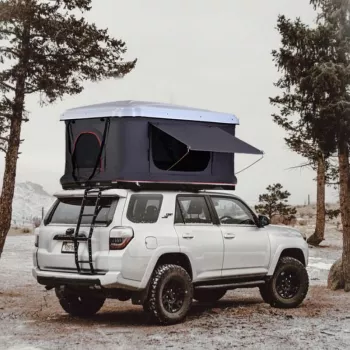
If your priority is fast deployment with less physical effort, a hydraulic-assisted hard-shell option is built for that routine. The Hydraulic Automatic Car Roof Tent is designed for quick setup and pack-down, making it a practical match for weekend camping, road trips, and multi-stop travel days where you want a consistent nightly routine.
For best results, pair it with a rooftop-tent-rated rack setup and stay within your vehicle’s roof limits. Also plan for off-season storage space—whether you keep it mounted or remove it between trips. If you like keeping gear organized at home, a sturdy storage piece such as a Rustic Wood Sideboard can help consolidate camping items (stove bins, lanterns, recovery gear) so you spend less time searching and more time rolling out.
FAQ
Can a hydraulic automatic roof tent fit on any car?
Not always. Fit depends on your vehicle’s dynamic roof load rating, your rack/crossbar system’s rooftop-tent rating, and whether the mounting hardware matches your bars or platform. Check your owner’s manual and the rack manufacturer’s guidance before purchasing.
How long does setup and pack-down usually take?
With hydraulic assistance, opening is often very fast, but a realistic total time (including ladder setup, bedding adjustment, fabric checks, and latching) is commonly around 2–8 minutes depending on experience, wind, and cold-weather stiffness.
How can condensation inside a roof tent be reduced?
Use ventilation whenever conditions allow by cracking vents or windows, keep wet gear out of the sleeping area, and dry the tent after trips—especially after rain. Condensation is most common with big temperature swings and high humidity, so airflow is the most reliable fix.














Leave a comment