Thrifted Decor That Looks Intentional: Plan, Shop, Style
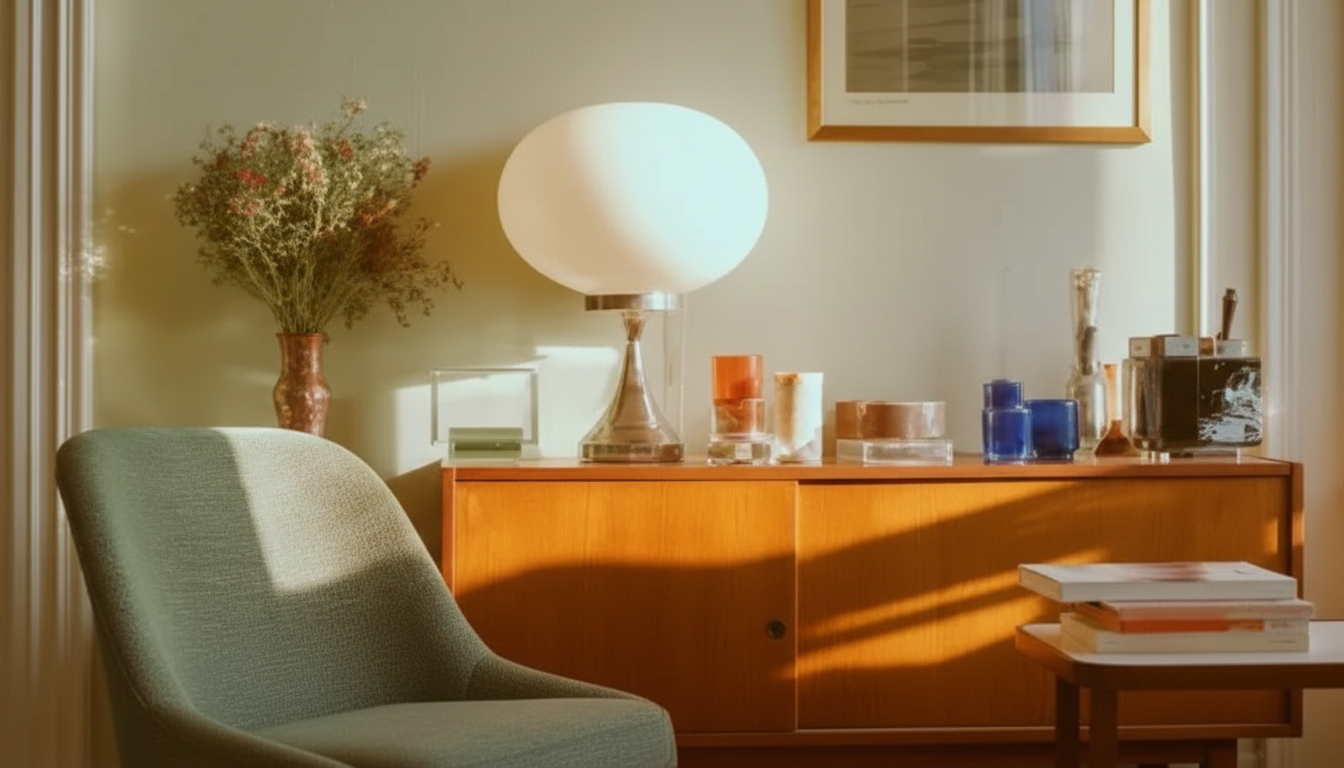
Treasure Your Space with Thrifted Style (Without Looking “Thrown Together”)
Thrift-store decor has a special advantage: it brings in patina, texture, and individuality that’s hard to replicate with brand-new fast-furniture. With a little planning and a few simple upgrades, secondhand finds can make rooms feel collected, comfortable, and genuinely personal—while staying budget-friendly and keeping useful items in circulation. (That reuse mindset aligns with practical sustainability basics shared by the U.S. EPA and broader circular design principles outlined by the Ellen MacArthur Foundation.)
Why thrifted style works for real homes
- It looks lived-in in the best way. Instead of a showroom set, you get a space that feels like it evolved over time.
- It stretches the budget where it matters. Thrifting makes it easier to spend on high-impact pieces like lighting, rugs, mirrors, and statement art.
- It supports reuse and reduces waste. You’re extending the life of pieces that still have decades of function left.
- It adds character through craftsmanship. Solid wood, real glass, and sturdy joinery show up often in secondhand aisles—sometimes for the price of a new particleboard item.
Start with a simple plan: mood, measurements, and must-haves
- Pick a “home base” palette. Choose 2–3 neutrals plus 1–2 accent colors so varied finds still read as intentional.
- Measure before you browse. Note wall widths for art, clearance around doors and drawers, and the footprint you can actually fit.
- Define the room’s job. List the top needs first—storage, seating, lighting—so the room works day-to-day before it looks “done.”
- Choose one repeating element. A wood tone, metal finish, shape family, or a textile pattern can tie mismatched pieces together.
If you like having a step-by-step framework, the Treasure Your Space with Thrifted Style digital guide lays out a practical way to plan, shop, and upgrade secondhand finds over time—without losing cohesion.
Thrift-store scouting: what to check before buying
- Furniture: check wobble, joints, drawer glide, and smell. Musty upholstery odors can be stubborn.
- Textiles: look for intact hems and even wear; washable natural fibers often refresh beautifully.
- Frames and art: prioritize scale and frame quality. You can always swap the art later.
- Ceramics and glass: inspect rims and bases for chips; avoid structural cracks that compromise function.
- Lighting: inspect cords and plugs carefully; plan to rewire vintage lamps if wiring looks brittle or unsafe.
Room-by-room thrifted styling ideas (small changes, big impact)
Entry
Add a thrifted mirror to bounce light, plus a narrow shelf or small table for keys and mail. A tray or small bowl instantly makes “drop zone” clutter look contained.
Living room
Choose one anchor piece (sofa or coffee table) and build around it with thrifted side tables, layered lamps, and one oversized artwork. Pairing a vintage accent with a clean-lined modern piece can keep the room from feeling too busy—if you want a sleek counterbalance, a statement option like the Luxury Marble Round Coffee Table with Gold Stainless Steel Base can act as a polished “new” anchor while the rest of the room leans thrifted.
Bedroom
Thrifted nightstands (even mismatched ones) look unified when they share a similar lamp height or hardware finish. Layer in texture with cotton quilts, linen blends, or a thrifted coverlet with subtle pattern.
Kitchen/dining
Vintage glassware and serving boards bring warmth without changing cabinets. For dining sets, mismatched chairs become a “set” with one unifying move: matching cushions, a shared paint color, or a consistent wood tone.
Bathroom
Upcycling that looks polished (not like a weekend experiment)
What to buy secondhand vs. what to buy new
| Item type | Best thrift-store signs | Quick test in the aisle | Common upgrade |
|---|---|---|---|
| Solid wood dresser | Dovetail joints, real wood grain, sturdy back | Open/close drawers, check level and wobble | New hardware, sanding + stain or paint |
| Lamp | Heavy base, intact shade frame | Inspect cord condition and plug | Rewire kit + new shade |
| Rug | Even pile, no sticky backing | Check corners for curling, sniff test | Rug pad + deep clean |
| Frames/mirrors | Real glass, solid corners | Check for cracks and loose joints | Mat swap, paint or gilding |
| Dining chairs | Tight joints, solid wood | Sit and rock gently, check rungs | Tighten/glue, new cushions |
- Secondhand sweet spots: solid wood furniture, frames, mirrors, ceramics, baskets, lamps (with safe rewiring), and vintage decor.
- Consider new for: mattresses, pillows, and items where hygiene/allergies are a concern.
- Prioritize safety: avoid damaged electrical items and unstable tall furniture. If you have kids or pets, use anchors; the U.S. Consumer Product Safety Commission has clear guidance on tip-over prevention.
Keeping the look cohesive: layering, repetition, and negative space
For practical storage while you rotate textiles and decor, the Large Capacity Non-Woven Clothes & Quilt Storage Bag Organizer is an easy way to protect off-season bedding and keep closets from overflowing.
Digital guide highlight: ready-to-use steps for thrifted decorating
Find it here: Treasure Your Space with Thrifted Style | Digital Guide.
FAQ
How can thrifted decor look cohesive instead of cluttered?
Stick to a limited palette, repeat one or two finishes, and choose one anchor piece per room. Leave negative space on walls and surfaces, and rotate small decor seasonally instead of displaying everything at once.
What thrift-store items are usually worth buying?
Solid wood furniture, frames, mirrors, ceramics, baskets, and quality textiles are typically strong bets. Check structure, odors, and whether the item is realistically repairable or cleanable.
How should thrifted furniture be cleaned before bringing it inside?
Vacuum thoroughly, wipe hard surfaces with an appropriate cleaner, and address odors before it joins the room. If you’re concerned about pests or old upholstery, isolate the piece in a garage or covered area first and consider sealing or painting for a fresh, durable finish.













Leave a comment