RGB Wired Gaming Headset: Clear Mic for PC & Console
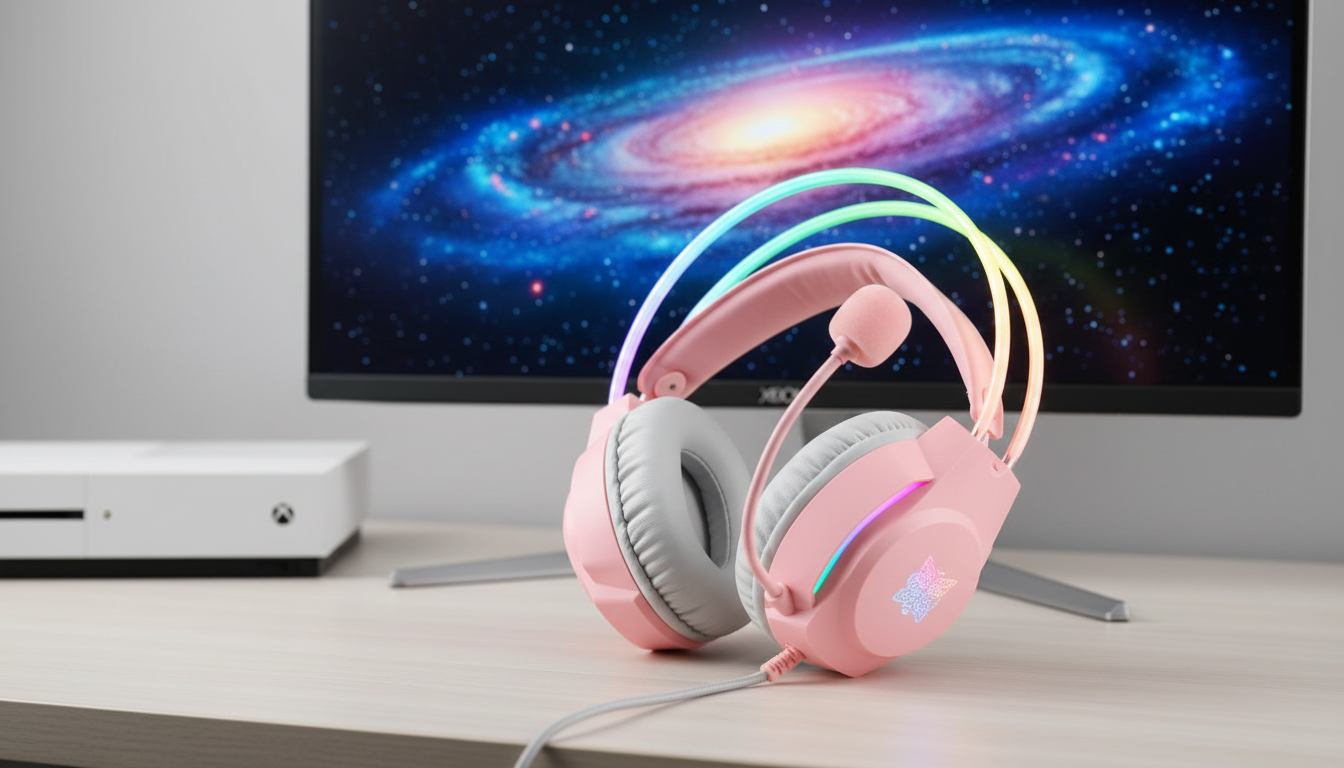
RGB Wired Gaming Headset with Noise-Canceling Mic for PC & Console
Clear team callouts and comfortable wear matter most when matches run late and lobbies get loud. This RGB wired gaming headset pairs immersive game audio with a noise-canceling microphone for cleaner voice chat across PC and common console setups—without dealing with battery life or wireless dropouts. For more guidance, see Burson Audio Playmate – Reviews.
What This Headset Is Built For
A wired headset is a simple upgrade that pays off every time you queue: steady audio, consistent mic pickup, and fewer “can you hear me now?” moments. This model is designed for players who want reliable plug-in performance, plus the extra style of RGB lighting for a setup that looks as sharp as it sounds. For further reading, see How to Choose a Great Gaming Headset.
- Wired reliability for competitive play: consistent audio and mic performance with no charging downtime.
- Noise-canceling mic focus: helps reduce background sounds so teammates hear voice more clearly.
- RGB lighting for desk/stream vibes: adds visual flair to a gaming setup while playing or on camera.
- PC and console flexibility: designed to cover typical gaming platforms that accept headset audio input.
Sound Experience: Game Details, Spatial Cues, and Volume Control
Good game audio isn’t only about loudness—it’s about separation and timing. A solid gaming headset helps make footsteps, reloads, and directional cues easier to pick out, especially in busy firefights where everything happens at once.
- Game audio tuned for action: emphasizes footsteps, reloads, and directional cues that support faster reactions.
- Balanced output for long sessions: aims to reduce harshness at higher volumes to limit listening fatigue.
- Quick adjustments: use inline controls (when included) for fast volume changes and mic mute during matches.
- Best results tip: set platform volume around 70–85% and fine-tune in-game settings for clarity over pure loudness.
For team shooters, a practical starting point is keeping music slightly lower than effects, then nudging voice chat up just enough to hear callouts over gunfire. This approach keeps the soundstage readable without pushing the overall volume into the fatiguing range.
Noise-Canceling Mic: Cleaner Comms for Squad Play
Voice clarity is the difference between a clean push and a missed rotation. A noise-canceling mic helps keep your voice forward while reducing the “room” around it—like keyboard taps, PC fans, or casual background chatter.
- Background reduction: helps limit keyboard clicks, fan noise, and room chatter from dominating voice chat.
- Positioning matters: keep the mic 1–2 finger widths from the corner of the mouth to reduce plosives and breathing.
- Platform settings: confirm the headset is selected as the default input device and test levels in system sound settings.
- Chat app tip: enable built-in noise suppression/echo cancellation in Discord or similar apps when available.
If your mic sounds “boomy” or pops on P and B sounds, rotate the mic slightly off-center rather than placing it directly in front of your lips. And if troubleshooting is needed on PC, Microsoft’s step-by-step guide can help confirm input selection and permissions: Microsoft Support: Fix microphone problems in Windows.
Comfort and Fit for Multi-Hour Sessions
Comfort is performance. A headset that pinches or traps heat becomes distracting fast, especially during long ranked sessions or late-night co-op.
- Over-ear design: helps create a more immersive seal and reduces outside noise intrusion.
- Cushioning and clamp: aim for secure fit without pressure hotspots; adjust headband before long sessions.
- Heat management: take brief breaks every 60–90 minutes to reduce ear fatigue, especially in warmer rooms.
- Glasses-friendly tip: align earcups so frames sit naturally; reposition slightly to avoid pinching.
PC & Console Compatibility and Setup
Quick Compatibility Checklist
| Platform | Where to Plug In | What to Check in Settings |
|---|---|---|
| Windows PC | PC audio ports / supported headset connector | Default output + default input device selected; test mic level |
| PlayStation (supported models) | Controller headset port / supported console audio input | Audio device output; mic input level; voice chat enabled |
| Xbox (supported models) | Controller headset port / supported console audio input | Headset chat mixer; mic monitoring; privacy permissions if applicable |
| Nintendo Switch (supported modes) | Handheld headset port / supported dock setup | In-game voice options or supported chat method |
For console-specific audio menus, Sony’s overview is a useful reference for verifying output and mic behavior on PS5: PlayStation Support: PS5 console audio settings. If Discord chat is part of your routine, their troubleshooting guide is helpful for diagnosing input selection and suppression features: Discord Support: Voice and Video Troubleshooting.
RGB Lighting: When It Matters (and When It Doesn’t)
Value Snapshot and Who It Fits Best
Shop In-Stock Picks
- RGB Wired Gaming Headset with Noise-Canceling Mic for PC & Console — $32.51
- Large Capacity Non-Woven Clothes & Quilt Storage Bag Organizer — a simple way to store cables, spare controllers, and gaming accessories when not in use.
- Using AI to Track and Enhance Your Daily Meditation Practice | Digital Download — a handy off-screen reset for between matches and long study sessions.
FAQ
Will the microphone work for voice chat on both PC and consoles?
It’s designed to work for typical PC voice chat once the headset is selected as the default input device. On consoles, it generally works when connected through a controller headset port that supports mic input—just confirm the console audio settings and controller compatibility.
How can mic quality be improved if teammates hear background noise?
Place the mic about 1–2 finger widths from the corner of your mouth and lower input gain if it sounds hissy or picks up too much room noise. Turn on Discord/console noise suppression when available and reduce nearby fan or keyboard noise as much as possible.
Does RGB lighting affect performance or audio quality?
No—RGB lighting is cosmetic and doesn’t change the headset’s sound tuning or mic clarity. Since it’s wired, you’re also not trading performance for battery life.














Leave a comment