Small-Space Layouts: Multifunctional Zones, Less Clutter
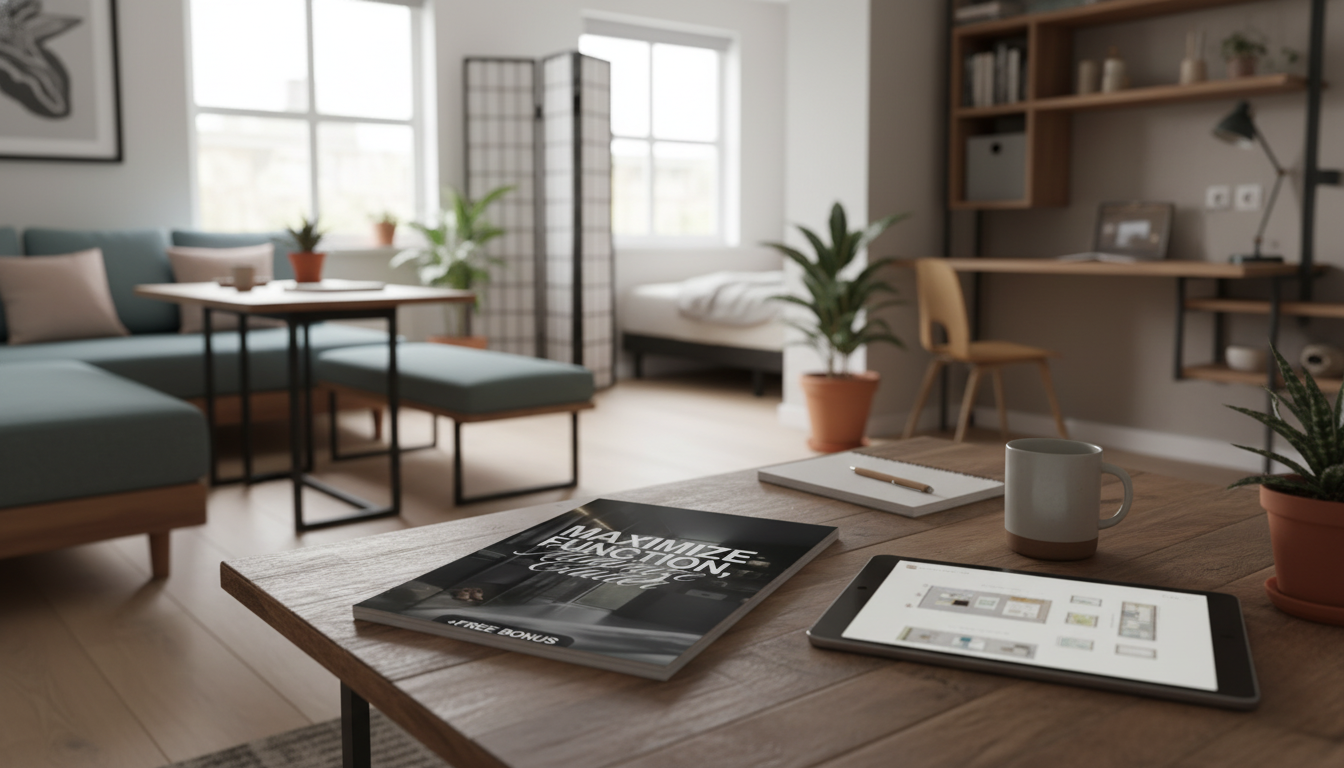
Maximize Function, Minimize Clutter: Multifunctional Room Layouts for Small Spaces
Small rooms feel bigger when every zone has a clear job, every item earns its footprint, and storage is built into the layout—not added as an afterthought. The goal isn’t to live with less comfort; it’s to reduce “surface drift,” widen your walkways, and make everyday routines (work, meals, relaxing, getting out the door) happen without constant reshuffling.
Use the strategies below to plan a multifunctional room that stays calm even on busy weeks—plus a quick reset plan you can actually finish.
Start with zones, paths, and the “one-surface” rule
Before buying anything, treat your room like a small, efficient floor plan. When the layout is doing the heavy lifting, tidiness becomes the default.
- Map 2–4 zones (sleep, work, lounge, dining, storage) and assign each zone a primary “home base” surface (desk, table, counter). This prevents overflow onto the nearest random flat spot.
- Protect circulation first. Keep main walkways open and avoid placing furniture where doors, drawers, and appliances collide. If something has to “scoot” every time you use it, it’s a future clutter magnet.
- Use the one-surface rule: each zone gets one main surface. Any extra surfaces should fold, nest, roll away, or store vertically.
- Create one drop zone near the entry (tray + hooks + slim shelf/console). When incoming items land in a dedicated spot, they don’t migrate across the room.
Quick Layout Cheatsheet for Common Small-Space Rooms
| Room Type | Best Primary Zone | High-Impact Furniture Move | Clutter Control Add-On |
|---|---|---|---|
| Studio apartment | Sleep + lounge separation | Daybed or sofa bed plus a rug to define the lounge area | Wall hooks + lidded bins under seating |
| Small bedroom | Sleep + dressing | Bed with drawers or lift-up storage; narrow nightstand | Over-door organizer + laundry hamper with lid |
| Living room | Lounge + media | Storage ottoman or nesting tables instead of a bulky coffee table | Cable raceway + labeled media basket |
| Kitchen/dining nook | Prep + eat | Drop-leaf table or wall-mounted folding table | Magnetic strip + vertical pantry rack |
| Entryway | Landing + storage | Slim bench with shoe storage | Key hook + small tray + mail file |
Multifunctional furniture that actually reduces clutter
Multifunctional pieces are only helpful when they reduce the number of objects in the room. If a “clever” item adds steps or requires constant rearranging, it creates friction—and friction creates piles.
If you want a clear, step-by-step approach to planning zones, furniture placement, and storage routines, consider the Maximize Function, Minimize Clutter | Multifunctional Room Layouts eBook | Small Space Design Guide | Space-Saving Furniture & Smart Home Ideas for a guided, room-by-room system.
Room-by-room layout patterns (micro-apartment friendly)
Studio pattern
Bedroom pattern
Living room pattern
Anchor seating to a rug and pick one primary storage wall for media and closed cabinets. Keeping one side “heavier” and the other lighter prevents the room from feeling evenly crowded. If you want a single closed-storage anchor that hides hosting supplies, linens, and tech, a statement piece like a Rustic Wood Sideboard can consolidate multiple small storage units into one cleaner line.
Dining/work hybrid
Entryway pattern
Storage that blends in: closed, labeled, and vertical
- Use closed storage where the eye lands first (media area, entry, bedside). That immediate visual calm makes the whole room feel more organized.
- Label by category, not by room. “Charging,” “Cables,” “First Aid,” and “Paperwork” are easier to maintain than “Living Room Stuff.”
- Go vertical. Tall bookcases, wall-mounted cabinets, pegboards, and over-door organizers outperform extra small baskets on the floor.
- Create a maintenance shelf. Keep a lint roller, microfiber cloth, small vacuum, and spare trash bags together so resets are frictionless. For practical cleaning guidance, the CDC’s overview on cleaning and disinfecting is a helpful reference for building simple routines.
- Leave 10–20% empty space in your most-used storage zones. That buffer keeps your system working during busy weeks instead of breaking into piles.
Smart-home upgrades that support a tidier routine
- Automate lighting scenes (morning, work, wind-down) to make zones feel intentional and reduce the temptation to add extra lamps everywhere.
- Install motion-activated lighting in closets, pantries, and entryways so you can find what you need quickly—without creating “temporary piles” while searching.
- Use smart plugs for hidden-cable control and to shut off seldom-used devices without crawling behind furniture.
- Set reminder routines for trash night, laundry switches, and weekly surface clears so clutter doesn’t compound.
- Keep security and privacy in mind. Use strong unique passwords and enable automatic updates; NIST’s guidance on IoT cybersecurity and privacy risks is a solid baseline for connected devices.
Putting it together: a 30-minute reset plan
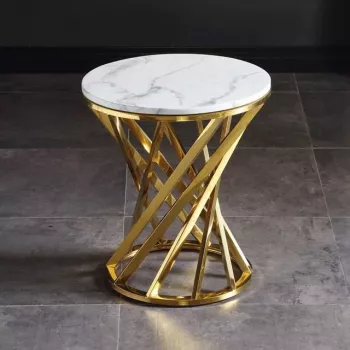
When you want one “anchor” piece to elevate the room while keeping the footprint clean and intentional, a round table can help circulation by eliminating sharp corners. If your layout has the space for a statement surface (without adding extra side tables), the Luxury Marble Round Coffee Table with Gold Stainless Steel Base can serve as a single focal point—just keep it aligned with the one-surface rule for the lounge zone.
FAQ
What furniture makes the biggest difference in a small room?
Pick one anchor piece that adds closed storage (like a bed with drawers or a storage ottoman) and one flexible piece (like nesting tables or folding chairs). Closed storage in high-visibility areas makes the room feel calmer immediately.
How can a studio feel separated without adding bulky dividers?
Define zones with a rug, lighting, and furniture placement rather than full-height walls. Low shelving, a curtain track, or open dividers can separate sleep and lounge areas while keeping light and airflow.
What are easy smart-home ideas that reduce daily clutter?
Motion lights in closets and entryways, a single charging station with a labeled cable bin, and scheduled reminders for quick resets are simple wins. Smart plugs also help control hidden cords and reduce the need to access outlets behind furniture.











Leave a comment