Pop-Up Car Rear Extension Tent: 6-Person Tailgate Space
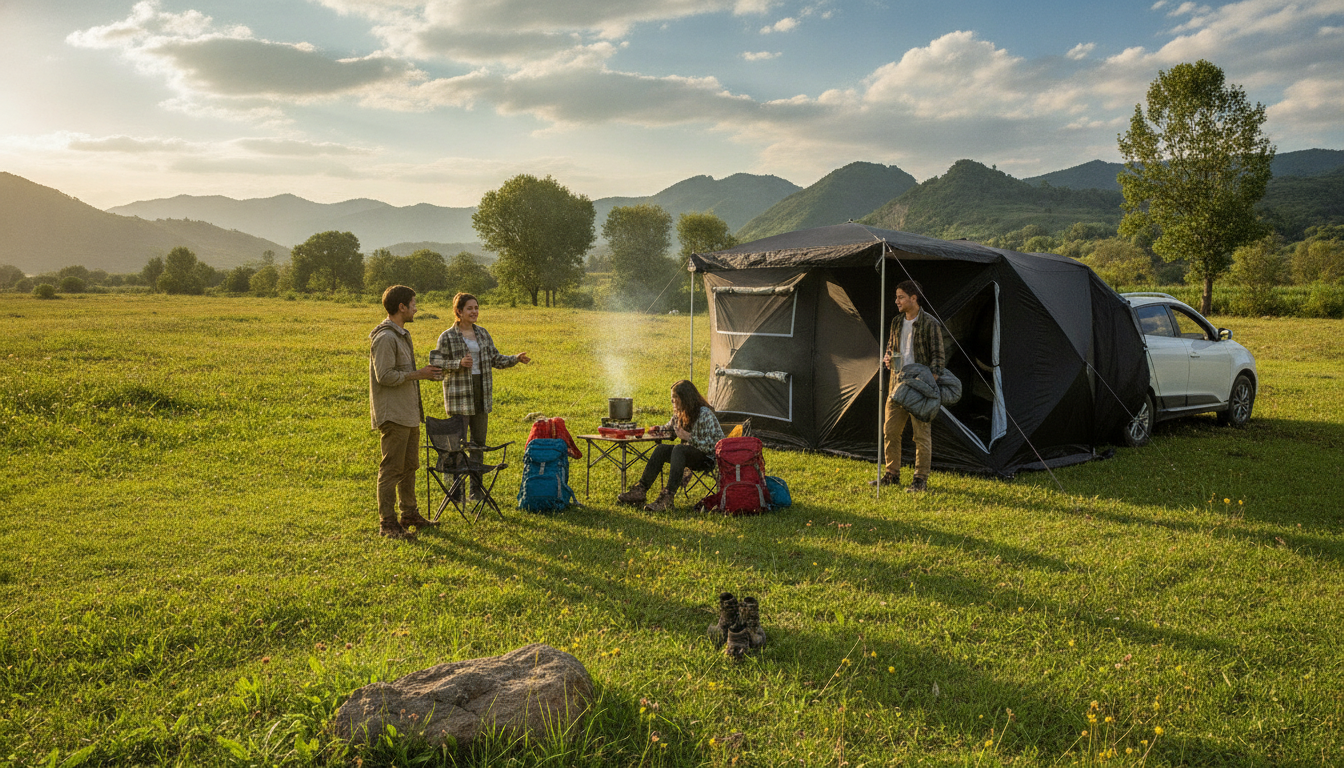
Fast Shelter With Extra Space at the Tailgate
A car rear extension tent adds a roomy, weather-ready shelter to the back of a vehicle, turning a standard campsite setup into a quick, organized base for sleeping, changing, and storing gear. This 6-person instant pop-up design focuses on fast setup, waterproof coverage, and an ultralight carry approach for road trips, weekend camping, and family outings.
If your typical camp routine involves digging through bins in the dark, stepping into wet grass to change, or juggling gear under a small awning, a rear extension tent can make the “arrive and settle in” moment smoother—especially when the weather turns or you’re stopping for a single night.
What a rear extension tent does (and when it shines)
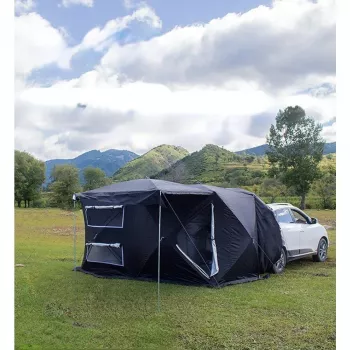
A rear extension tent connects at the vehicle’s back end, creating a sheltered zone that feels like a mini mudroom plus sleeping space. Instead of running back and forth between the car and a separate tent, you get a covered transition area that supports quick gear access.
- Creates a covered living and sleeping area that aligns with the vehicle’s rear opening for easier access to gear.
- Helps keep shoes, coolers, and packs out of rain and dew while maintaining a dry entry zone.
- Works well for campgrounds, overlanding-style stops, and quick overnight breaks where speed matters.
- Not ideal for high-exposure ridgelines in severe wind; choose sheltered sites and use full anchoring.
For storm awareness and safe decision-making, it helps to check forecasts and alerts before you roll in. The NOAA National Weather Service Weather Safety page is a reliable starting point for understanding hazards and timing.
Instant pop-up setup: what to expect on arrival
Instant pop-up tents are designed to reduce the “tent math” at the end of a long drive. With rear extension models, the key is positioning: the tent should align cleanly with the vehicle’s rear opening without forcing fabric to stretch awkwardly.
- Lay out the tent body behind the vehicle and confirm the rear hatch/door swing path is clear.
- Pop-up frame designs typically expand quickly; stake corners early to prevent the tent from shifting in wind.
- Connect the rear extension portion to the vehicle area (positioning matters more than tension).
- Finish with guy lines, stake points, and rainfly adjustments to reduce flapping and improve water shedding.
- Do a quick water-runoff check: smooth fabric panels and avoid low spots where puddling can form.
| Step | Goal | Tip |
|---|---|---|
| 1. Position tent | Align to rear of vehicle | Leave room for stakes and guy lines |
| 2. Pop the frame | Get structure standing fast | Hold the frame down in gusts |
| 3. Stake corners | Lock footprint | Start with windward side |
| 4. Add rainfly/cover | Boost waterproofing | Tighten evenly to avoid sag |
| 5. Guy out | Stabilize in wind | Use all points if weather is uncertain |
| 6. Final check | Prevent leaks and flapping | Smooth panels; re-tension after 10 minutes |
Space and comfort for up to 6 campers
“6-person” capacity is most comfortable when expectations match reality. A layout like this typically fits four adults plus gear with room to move, or a family group that wants space for a thicker air mattress, duffels, and a clear walkway.
- A 6-person layout is typically best for 4 adults with gear, or a family group that wants room to move.
- Use the vehicle-side area for frequently accessed items: lantern, first-aid kit, snacks, and headlamps.
- Create a wet/dry zone: keep boots and rain layers near the entrance; keep sleeping gear deeper inside.
- At night, close gaps carefully around the vehicle connection to limit drafts and reduce insects.
For a ready-to-go option that emphasizes quick pitching and tailgate access, see the 6-Person Instant Pop-Up Car Rear Extension Tent | Waterproof, Ultralight Outdoor Camping Shelter.
Waterproof coverage and storm readiness
Waterproof performance is a mix of materials and technique. Even a well-coated fabric can leak if the tent is pitched in a low spot or if panels are left slack where water can pool. Think of setup as part of the waterproofing system.
For broader campsite safety guidance—including weather and wildlife considerations—the National Park Service camping safety resource is a helpful reference.
Ventilation, condensation, and bug control
Vehicle fit and campsite positioning
Leave your site better than you found it by following established low-impact practices like the Leave No Trace Seven Principles, especially when choosing durable surfaces and managing waste.
Packing, weight, and care for long-term use
For keeping your camping gear organized between trips (especially if you like a dedicated “camp cabinet” at home), a sturdier storage piece like the Rustic Wood Sideboard can help consolidate bins, lights, and cooking kits in one spot.
When this style is a great pick (and when to choose another shelter)
FAQ
Can a car rear extension tent be used without attaching to a vehicle?
Many rear-extension tents are designed to align with a vehicle for their best shape and weather seal. Some can stand on their own if the frame is truly freestanding, but stability and rain protection at the “rear opening” area may be reduced unless you fully stake and guy it out.
How do you keep a pop-up car tent stable in wind?
Use every stake point and guy line, anchoring the windward side first, and keep the fabric taut to limit flapping. Park to reduce exposure when possible, avoid open ridgelines, and re-tension after the fabric relaxes for a few minutes.
How can condensation be reduced inside a waterproof tent?
Increase airflow by opening vents or mesh panels when conditions allow, and keep wet clothes and damp gear out of the sleeping area. Also avoid pressing sleeping bags against the tent walls, which can transfer moisture to your insulation.













Leave a comment