Modern Minimalist Sideboard Guide: Size, Style, Care
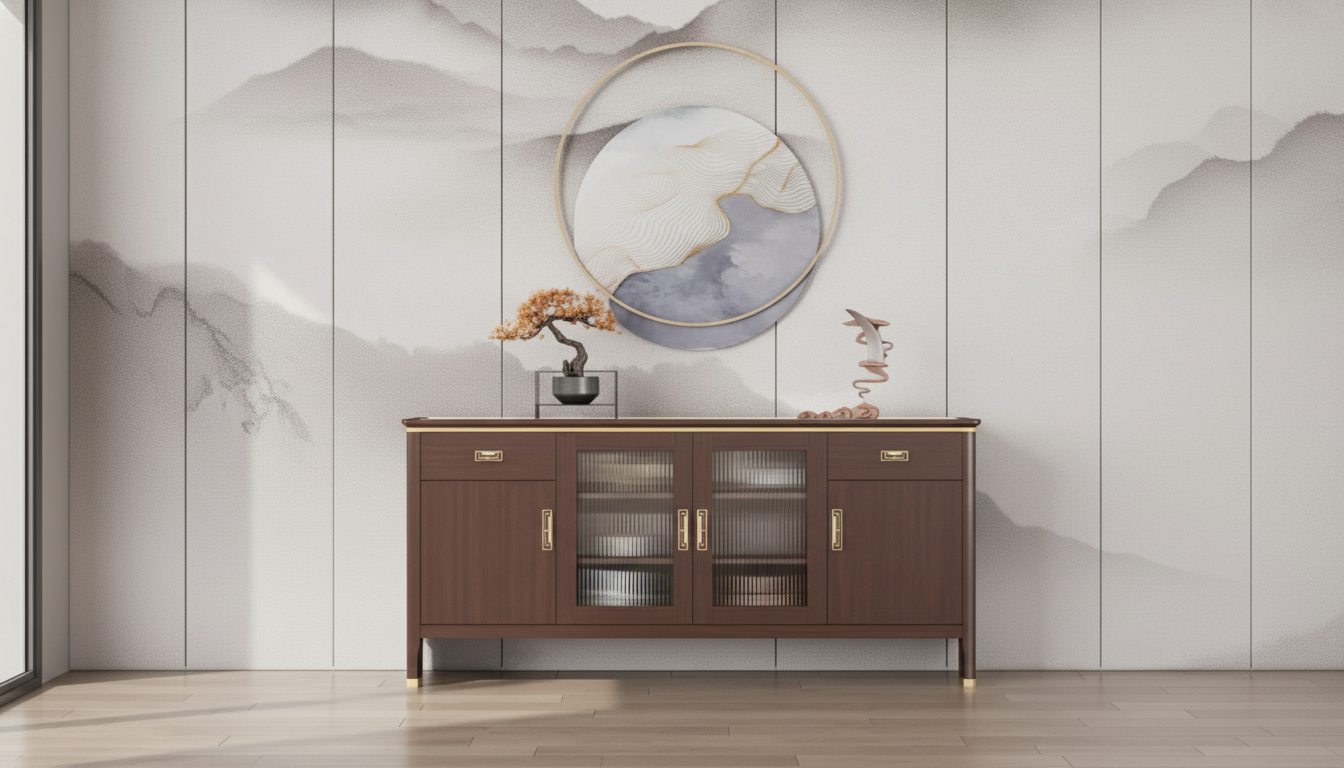
Modern Minimalist Sideboard: Clean Storage for Dining, Living, and Entry Spaces
A minimalist sideboard keeps everyday essentials out of sight while maintaining a calm, uncluttered look. Whether it lives under a statement mirror in the entryway or anchors a dining room wall, the right piece adds order without visual noise. Below is a practical guide to where a modern minimalist sideboard works best, what to measure before buying, how to style it with restraint, and how to care for finishes so everything stays crisp over time. For more guidance, see The Ultimate Sideboard Review: The Missing Piece You’ve Been ….
What a Modern Minimalist Sideboard Adds to a Room
A modern minimalist sideboard is one of the easiest ways to make a room feel instantly more “finished” without adding more stuff to look at. It’s functional storage disguised as a clean architectural line. For further reading, see sideboards and – Rice University.
- Creates closed storage for table linens, serving pieces, barware, board games, and media accessories without adding visual clutter.
- Offers a long, low surface that can anchor a wall and balance larger pieces like sofas or dining tables.
- Helps define zones in open-plan layouts by providing a visual “stop” for sightlines and a functional boundary.
- Supports a restrained palette: simple forms, clean lines, and minimal hardware pair well with modern, Japandi, and contemporary interiors.
If you’re comparing terms like “sideboard” and “buffet,” the differences are often about typical placement and styling, not strict rules. For a quick, clear breakdown, see The Spruce’s explanation of sideboards vs. buffets.
Best Places to Use a Sideboard (and What to Store Inside)
Minimalism works best when storage matches real habits. Choose a location based on what you actually need to hide—and how often you need to access it.
- Dining room: plates, napkins, placemats, candles, serving boards, wine glasses; keep most-used items on the easiest-to-reach shelves.
- Living room: hide remotes, routers, game consoles, and books; use the top for a single lamp and one sculptural object.
- Entryway: shoes, bags, keys, dog-walking gear; add a tray for daily drop-zone items to prevent countertop scatter.
- Home office: paper supplies and chargers; store a small printer inside only if ventilation is adequate.
| Location | Primary purpose | Simple top styling | Inside storage focus |
|---|---|---|---|
| Dining room | Serveware + linens | One vase or bowl | Plates, runners, candles |
| Living room | Media + clutter control | Lamp + one art object | Cables, consoles, books |
| Entryway | Drop zone | Tray + mirror | Shoes, bags, seasonal accessories |
| Office | Supplies | Small plant + organizer | Paper, tech, backups |
Sizing and Placement: Measurements That Prevent Regret
A sideboard looks best when it feels “placed,” not squeezed in. A few quick measurements can prevent the most common layout mistakes.
- Wall fit: leave breathing room at each side when possible; a slightly shorter piece often looks more intentional than wall-to-wall tightness.
- Traffic flow: maintain clear walkways around the sideboard so doors and drawers can open without blocking paths.
- Height balance: the top should feel comfortable for serving or drop-zone use; pair with art or a mirror sized to the sideboard’s width for a cohesive vertical proportion.
- Outlet planning: if using lamps or audio gear, map outlets and cord routes so cables stay hidden and tidy (cord channels or a slim power strip mounted behind can help).
A helpful visual rule: if you’re hanging art above the sideboard, aim for one larger piece (or a tight pair) rather than a scattered gallery—fewer elements read cleaner and more deliberate.
Material and Finish Choices for a Minimal Look
Minimal doesn’t have to mean cold. The finish you choose sets the tone—warm and quiet, sharp and modern, or softly textured.
For more minimalist styling cues that emphasize restraint and breathable surfaces, Architectural Digest’s minimalist decor ideas is a strong reference for creating a calm, edited look.
Styling Without Clutter: A Minimalist Formula
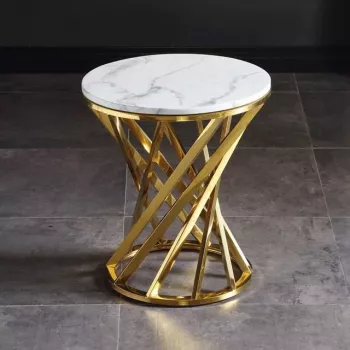
When you want a refined contrast to a long, linear sideboard, a round silhouette nearby can soften the overall geometry. A piece like the Luxury Marble Round Coffee Table with Gold Stainless Steel Base adds a smooth counterpoint and a high-end surface that looks intentional beside minimalist storage.
Care and Maintenance for a Like-New Finish
If you’re caring for real wood or wood-veneered surfaces, general best practices for wood protection and cleaning routines align with recommendations from organizations like the National Wood Flooring Association (even though they focus on floors, the principles of gentle cleaning and moisture control translate well to wood furniture surfaces).
Pieces That Pair Well for a Cohesive Room
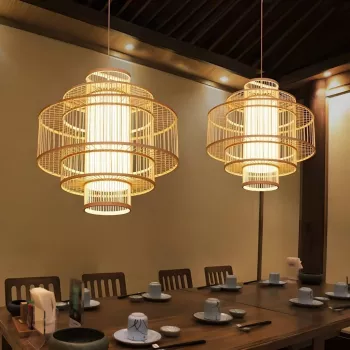
To shop the clean, streamlined look, see the Modern Minimalist Sideboard. For layered texture overhead, the Southeast Asian-Inspired Bamboo and Rattan Pendant Chandelier adds warmth without cluttering the floor plan. And if you want a deliberate contrast elsewhere (like a den or breakfast nook), the Rustic Wood Sideboard brings a more organic, character-rich feel.
FAQ
How do you style a minimalist sideboard without making it look bare?
Use a small set of purposeful items: one lamp or vase, one framed piece or book stack, and one tray. Keep plenty of open surface area so the sideboard still reads calm and uncluttered.
What should be stored in a sideboard for daily convenience?
Store the items used most often in the easiest-to-reach spots, and group them by task. Linens and serveware work well in dining rooms, remotes and cables in living rooms, and keys/shoes in entryways.
How do you protect the top from scratches and water rings?
Use coasters, place drinks on a tray, and add felt pads under décor. Wipe spills quickly and avoid dragging heavy objects across the surface.









Leave a comment