Home Decorating Styles Explained: Find Your Perfect Look
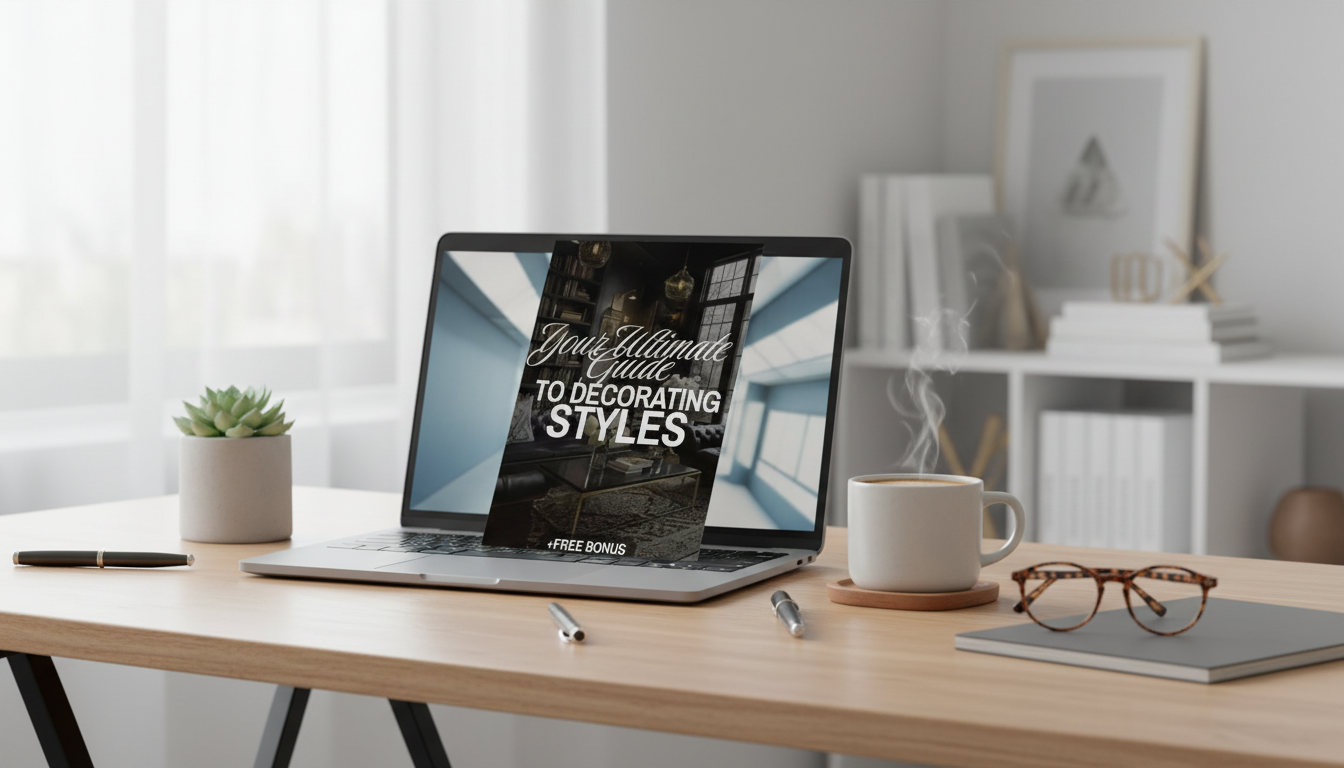
Your Ultimate Guide to Decorating Styles for Every Home Aesthetic
Decorating styles can feel overwhelming because names, eras, and trends often overlap. A clear way forward is to learn the defining features of major styles, understand what makes a room feel cohesive, and then choose a direction (or a well-planned mix) that fits the home’s architecture and daily life.
Start with the “why” behind your style
Before picking a style label, define what the room needs to do well. When function and feeling are clear, every purchase gets easier to filter.
- List what the space must do: hosting, relaxing, working, storage, kid- and pet-friendly living.
- Decide the feeling to prioritize: calm and airy, cozy and layered, bold and dramatic, polished and luxe.
- Notice fixed elements: flooring tone, wall texture, ceiling height, window shape, built-ins, and where natural light lands during the day.
- Pick 3–5 non-negotiables: examples include an easy-clean rug, closed storage, statement lighting, or an accent chair that doubles as a reading spot.
Style cheat sheet: signatures, materials, and color cues
Use these quick identifiers to recognize styles and avoid buying pieces that fight each other. The “works well for” column is a starting point—most styles can work in most homes when scale and lighting are handled thoughtfully.
| Style | Hallmarks | Common materials | Typical palette | Works well for |
|---|---|---|---|---|
| Modern | Clean lines, minimal ornament, negative space | Metal, glass, smooth woods, lacquer | Black/white/gray with one accent | Small spaces, clutter-free living |
| Contemporary | Current shapes, mixed textures, flexible rules | Bouclé, stone, mixed metals, matte finishes | Neutrals with trend accents | Homes that evolve seasonally |
| Traditional | Classic silhouettes, symmetry, refined details | Wood, linen, brass, antiques | Warm neutrals, rich tones | Formal living/dining rooms |
| Transitional | Traditional forms with simplified finishes | Wood, upholstery, mixed metals | Creams, taupes, soft grays | Balanced, timeless updates |
| Mid-century modern | Organic curves, tapered legs, graphic forms | Teak/walnut, leather, molded plastic | Earth tones with saturated pops | Open plans, vintage lovers |
| Scandinavian | Light woods, function-first, cozy minimalism | Oak/pine, wool, linen, matte black | White, pale gray, soft muted tones | Low-light climates, calm bedrooms |
| Industrial | Raw surfaces, exposed structure, utilitarian pieces | Steel, concrete, reclaimed wood | Charcoal, rust, warm neutrals | Lofts, creative studios |
| Bohemian | Collected layers, global patterns, relaxed mix | Rattan, textiles, ceramics, plants | Jewel tones + warm neutrals | Eclectic homes, renters |
| Farmhouse (modern/rustic) | Practical comfort, simple forms, worn-in textures | Reclaimed wood, cotton, iron | Whites, creams, muted blues/greens | Family rooms, kitchens |
| Coastal | Airy, casual, light-reflective surfaces | Linen, jute, light woods, glass | Whites, sandy beige, ocean blues | Bright living areas, vacation vibes |
| Japandi | Warm minimalism, craft, calm contrast | Light wood, ceramic, linen, black accents | Beige, warm gray, ink black | Serene, clutter-free homes |
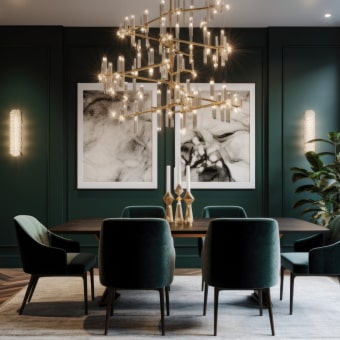
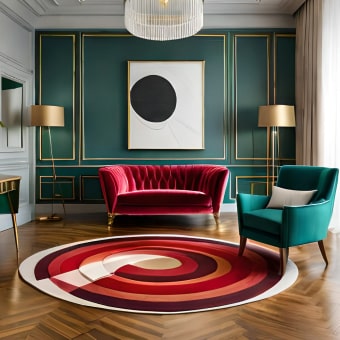
| Art Deco | Geometry, glamour, symmetry, bold contrast | Brass, lacquer, velvet, marble | Black, emerald, cream, gold | Statement rooms, dramatic entries |
If you enjoy the history side of style, Art Deco’s roots are well documented by Encyclopaedia Britannica, and mid-century modern context is clearly explained by the Victoria and Albert Museum. For modernism’s foundations, see Britannica’s Bauhaus overview.
How to identify your natural aesthetic (without overhauling everything)
Mixing styles on purpose: a simple formula that looks curated
Room-by-room shortcuts: living room, bedroom, kitchen, and entry
Living room
Bedroom
Kitchen and dining
Entryway
Guidebook pick: a style reference that makes decisions faster
When choices start to blur together, a single organized reference helps compare styles side-by-side, spot defining traits, and avoid impulse buys that don’t match your direction. For a quick, room-friendly reference, see Your Ultimate Guide to Decorating Styles: Explore Types of Home Decor Styles eBook for Every Home Aesthetic.
Style-friendly pieces to consider when upgrading key focal points
- Marble + metal for a bright anchor: A reflective surface helps a room feel larger and more polished. The Luxury Marble Round Coffee Table with Gold Stainless Steel Base can lean modern, contemporary, transitional, or Art Deco-inspired depending on the surrounding shapes and color palette.
- Natural rattan lighting for instant texture: Woven materials add warmth without visual heaviness, especially in coastal, bohemian, Scandinavian, and warm minimalist spaces. Consider the Southeast Asian-Inspired Bamboo and Rattan Pendant Chandelier as a dining or entry statement.
- Rustic storage that still looks elevated: A substantial sideboard adds function and grounding to farmhouse, industrial, and eclectic rooms—and can swing transitional when styled with clean-lined decor. The Rustic Wood Sideboard is a strong focal point for dining or living areas that need closed storage.
Common mistakes that make a style feel “off” (and quick fixes)
FAQ
What’s the difference between modern and contemporary decor?
Modern decor comes from a specific design movement that favors clean lines, minimal ornament, and purposeful simplicity. Contemporary decor is “of the moment,” so it can borrow from multiple eras—often mixing updated shapes with layered textures and trend-forward accents.
Can two decorating styles be mixed in one room without looking cluttered?
Yes—use the 70/20/10 rule, repeat a small set of finishes and colors, and lean on bridge pieces that fit multiple styles. Keep patterns limited and accessories edited so the mix reads curated instead of busy.
How do you choose a home decor style that won’t feel dated quickly?
Build on timeless foundations like neutral upholstery, classic silhouettes, and well-scaled furniture, then treat trends as swap-friendly accents (pillows, art, paint). Quality lighting and a consistent finish plan tend to outlast quick trend cycles.









Leave a comment