Automatic Pet Hair Dryer Box: Safe, Calm At-Home Drying
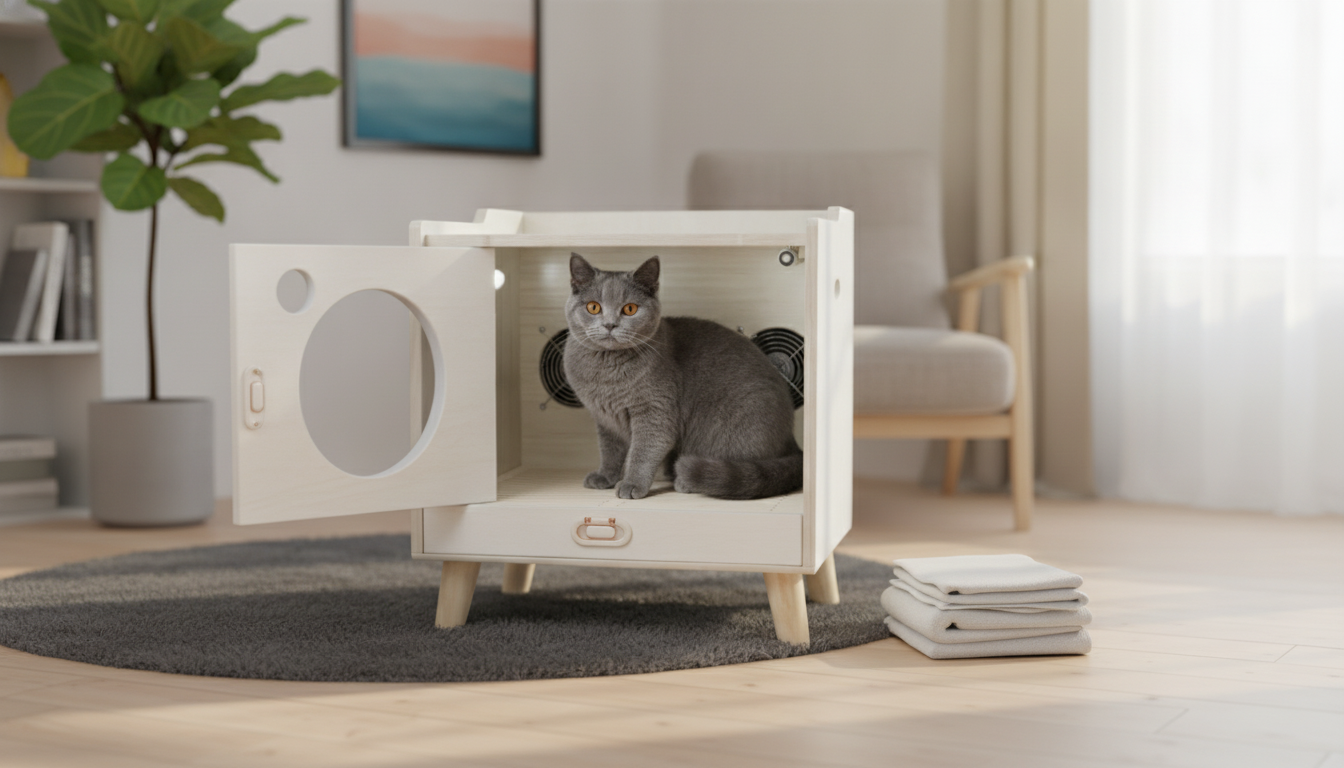
Automatic Pet Hair Dryer Box: A Calm, Hands‑Free Way to Dry Pets at Home
Drying a pet after a bath can be noisy, stressful, and time-consuming—especially for cats and small dogs that dislike a blow dryer. An automatic pet hair dryer box offers an enclosed, temperature-controlled space designed to dry coats more evenly while keeping hands free. This guide explains how it works, what to look for, how to use it safely, and whether it fits different coat types and temperaments.
What an automatic pet hair dryer box is (and what it isn’t)
An automatic pet hair dryer box is an enclosed drying chamber that circulates warm air to remove moisture from the coat after bathing or rainy walks. Most units include adjustable temperature and time controls, airflow circulation, and a door or access window so you can keep eyes on your pet throughout the session.
It’s designed for post-bath drying—not for unattended confinement, crate replacement, or “fixing” anxiety. A dryer box can make grooming feel less chaotic, but it still requires supervision and thoughtful acclimation. It’s also best suited to small-to-medium pets depending on interior dimensions and the weight rating.
If you’re comparing options, the Automatic Pet Hair Dryer Box is a straightforward at-home choice when you want a more contained, hands-free routine.
Why some pets tolerate a dryer box better than a handheld dryer
Many pets react to a handheld dryer because of the direct blast of air, the noise close to their head, and the feeling of being restrained during drying. A dryer box can reduce those triggers in a few practical ways:
- Reduced direct air blast: Diffuse airflow can feel less startling than a nozzle aimed at the body.
- Lower perceived noise: The enclosure and added distance from the motor may help noise-sensitive pets stay calmer.
- More even drying: Circulating air can reduce wet spots on dense areas like the chest, belly, and undercoat.
- Hands-free routine: Easier for one person to manage bathing, towel-drying, and drying without wrestling.
Temperament still matters. Pets that dislike enclosed spaces may need extra slow introduction—or may do better with another method.
Key features to prioritize for comfort and safety
Because pets can overheat faster than humans, comfort and safety features are not optional. Focus on these essentials when choosing a dryer box:
- Temperature control with a clear display: Aim for gentle warmth rather than high heat, and verify settings are easy to read at a glance.
- Timer and auto shutoff: Helps prevent over-drying and reduces the risk of running too long.
- Multiple airflow levels: Lower airflow for anxious pets; higher circulation can help thicker coats while keeping temperature modest.
- Ventilation and air path design: Consistent airflow should reach the body without creating hot spots.
- Easy-to-clean interior and hair collection: Removable panels/filters simplify maintenance and reduce odor buildup.
- Viewing window or internal light: Makes it easier to monitor breathing, posture, and signs of distress.
For broader pet care and safety guidance, reputable references include the American Veterinary Medical Association (AVMA) and the ASPCA.
Drying methods compared: box vs. handheld vs. towel-only
The best drying method depends on coat type, your pet’s tolerance for noise and air movement, and how much time you have. For double coats, thorough drying is especially important to avoid leaving the undercoat damp, which can contribute to odor and skin irritation. For anxious pets, gradual acclimation often matters more than the specific tool.
| Method | Best for | Pros | Trade-offs |
|---|---|---|---|
| Automatic dryer box | Pets that dislike direct airflow; routine home grooming | Hands-free, more even circulation, can be less startling | Must monitor closely; size limits; needs regular cleaning |
| Handheld pet dryer | Spot drying and styling; experienced handlers | Fast, targeted drying, flexible for different body areas | Noise and direct air can stress pets; requires restraint/handling |
| Towel + air dry | Short coats; quick wipe-down after rain | Quiet, low cost, gentle | Can leave undercoat damp; longer drying time; higher chance of “wet dog” odor |
How to use a dryer box safely (step-by-step)
1) Towel-dry first (more than you think)
Remove as much water as possible before warm-air drying. A thorough towel-dry shortens the session and lowers humidity inside the chamber, which helps your pet stay more comfortable.
2) Acclimate before the first real session
3) Start conservative with settings
4) Supervise continuously and watch for stress signals
5) Pause to check skin and coat temperature
6) End calmly and finish with a quick routine
Who it’s best for (and when to avoid it)
Care and maintenance for consistent performance
Featured picks for a pet-friendly home setup
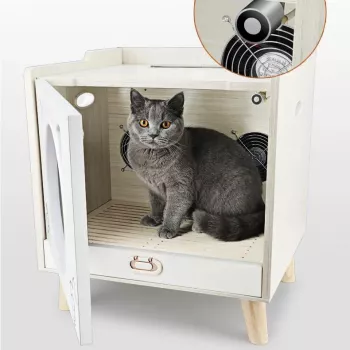
- Automatic Pet Hair Dryer Box (hands-free drying with a more contained, monitorable routine)
- Luxury Marble Round Coffee Table with Gold Stainless Steel Base (easy-wipe surface for everyday life with shedding pets)
- Rustic Wood Sideboard (extra storage for towels, brushes, shampoo, and grooming supplies)
FAQ
How long does it take to dry a cat or small dog in a dryer box?
Most pets take roughly 20–60 minutes depending on coat thickness and how thoroughly you towel-dried first. Start with shorter sessions, monitor comfort closely, and add time gradually as your pet relaxes with the routine.
Is a dryer box safe for pets?
It can be safe when it has reliable temperature control, good ventilation, and you supervise the entire time. Stop immediately if you see signs of overheating or distress (heavy panting, drooling, frantic scratching, repeated escape attempts), and ask a vet for guidance if your pet has respiratory, heart, or heat-sensitivity concerns.
Can a dryer box replace brushing and grooming?
No—its job is drying, not detangling or de-shedding. Brushing helps prevent mats and improves airflow through the coat, so many pets do best with a quick brush before or after drying (depending on coat type and sensitivity).














Leave a comment