Heavy-Duty Bike Chain Lock: Password + Key Backup Guide
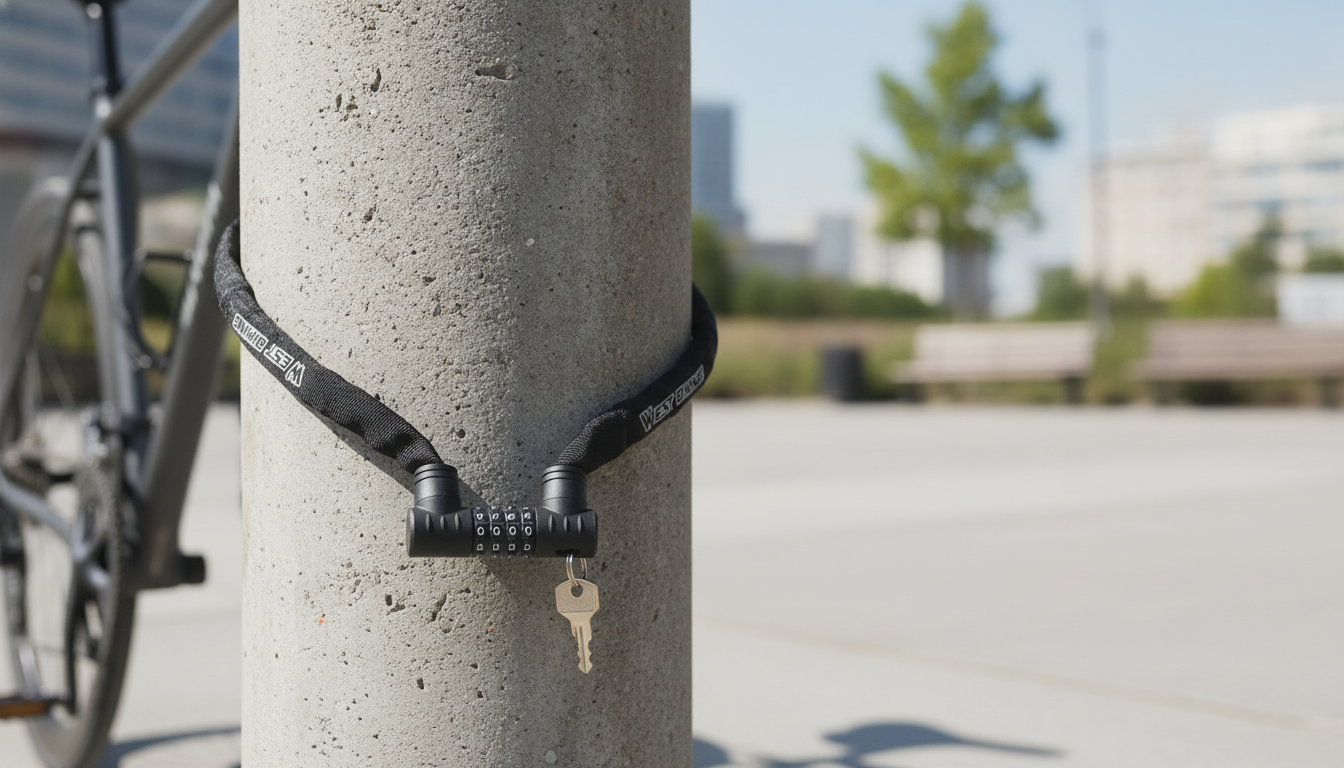
Heavy-Duty Anti-Theft Bike Chain Lock with Password/Key Security
A dependable bike lock needs to do two things well: slow down attacks and stay practical for everyday rides. A heavy-duty chain lock offers flexible locking positions for frames and wheels, while a password/key security setup adds convenience for quick lock-ups. This guide covers what this style of lock helps protect against, which features matter most, how to lock up correctly, and when it makes sense to add extra protection for higher-risk parking.
What This Chain Lock Is Designed to Protect Against
A chain lock is built to raise the effort, time, and noise required to steal a bike—often enough to push a thief toward an easier target. It’s especially useful in common “stop-and-go” parking situations where you need versatility around different rack shapes and posts.
- Casual theft and fast “grab-and-go” attempts at racks, signposts, and fences
- Opportunistic attacks using leverage, pulling, and quick hand tools (while acknowledging that no lock is invincible against power tools)
- Theft that targets an easy-to-remove wheel or an unsecured frame
- Common parking situations: outside cafes, apartment bike rooms, school racks, and public transit stops
For best practices on how thieves look for weak lock-ups (and how to avoid them), it helps to review established guidance like Kryptonite’s proper lock-up tips.
Key Features That Matter Most
Not all chain locks feel the same in daily use. The right combination of link thickness, locking head reliability, and usable length can make the difference between a lock that gets used every time and one that’s left at home.
- Heavy-duty chain links that resist cutting better than thin cables
- Locking head built for repeated daily use without sticking or binding
- Password/key security approach to reduce the risk of being locked out
- Protective sleeve to help prevent scratches on frames and reduce rattling during transport
- Length and flexibility that allow securing the frame plus a wheel to a fixed object
If you’re comparing security levels across lock types, third-party rating systems can be a helpful reference point. See Sold Secure for an overview of bicycle and motorcycle security ratings and testing categories.
Password vs. Key: How the Security Setup Affects Daily Use
Choosing between a password lock and a keyed lock isn’t only about security—it’s also about how you ride. Frequent quick stops can make a no-key routine feel smoother, while low-light commutes may favor the simplicity of a physical key. A combined approach (password plus key backup) aims to reduce lockout headaches.
Everyday trade-offs by lock access type
| Access method | Strengths | Watch-outs | Best for |
|---|---|---|---|
| Password | No key to carry; fast quick-stops | Code must be remembered; avoid sharing | Errands, campus, frequent short stops |
| Key | Simple routine; works well in the dark | Key can be lost; consider a spare | Longer parking, riders who prefer physical keys |
| Password + key backup | Reduces lockout risk; flexible | Keep spare key secure (not on the bike) | Commuters and mixed-use riders |
Before relying on a reset feature, confirm how the code is set, how to avoid accidental changes, and where a spare key should live (ideally at home or on a separate keyring—not strapped to the bike).
How to Lock a Bike Correctly (So the Chain Can Do Its Job)
Even a tough lock can be undermined by an easy lock-up. The goal is to secure the most valuable parts to something that can’t be moved, while also reducing slack that invites leverage and tool access.
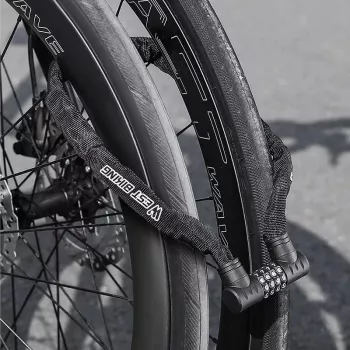
- Lock the frame first: pass the chain through the main triangle when possible, not only through a wheel.
- Add a wheel: if chain length allows, capture the rear wheel inside the lock-up (rear wheel and frame are commonly the most valuable combo).
- Choose a fixed object: use an immovable rack, thick post, or anchored structure; avoid small signposts that can be lifted over.
- Remove slack: keep the chain off the ground and tight to reduce leverage and make cutting harder.
- Position the lock head thoughtfully: face the keyway or dial away from the ground and away from easy tool placement.
Fit, Carrying, and Where Chain Locks Work Best
Care and Maintenance for Long-Term Reliability
When to Add Extra Protection
For registration and recovery readiness, BikeRegister provides practical guidance on recording bike identifiers and theft prevention steps.
Product Snapshot: Heavy-Duty Anti-Theft Bike Chain Lock with Password/Key Security
In-stock picks
- Heavy-Duty Anti-Theft Bike Chain Lock with Password/Key Security
- Large Capacity Non-Woven Clothes & Quilt Storage Bag Organizer (handy for storing bulky gear like locks and helmets at home)
- Using AI to Track and Enhance Your Daily Meditation Practice | Guide for Mindfulness Growth | Digital Download | ai tracker for daily meditation (a simple add-on for riders building a consistent routine off the bike)
FAQ
Is a chain lock better than a cable lock for everyday parking?
In most everyday scenarios, a heavy-duty chain typically resists cutting better than a basic cable, making it a stronger choice for quick stops and moderate-risk areas. The trade-off is weight, so the “best” option is the one you’ll carry and use correctly every time.
What should be locked: the frame, the wheel, or both?
Prioritize locking the frame to a fixed object, then include the rear wheel if the chain length allows. If you have quick-release parts, consider removing them or adding a secondary solution to reduce easy grab points.
What if the password is forgotten or the lock gets wet?
If your lock includes a key backup, use it and keep a spare key stored securely off the bike. After wet rides, dry the lock and wipe away grit to help prevent the mechanism from sticking over time.













Leave a comment