All-Terrain Comfort: Widened, Waterproof Shock Saddle
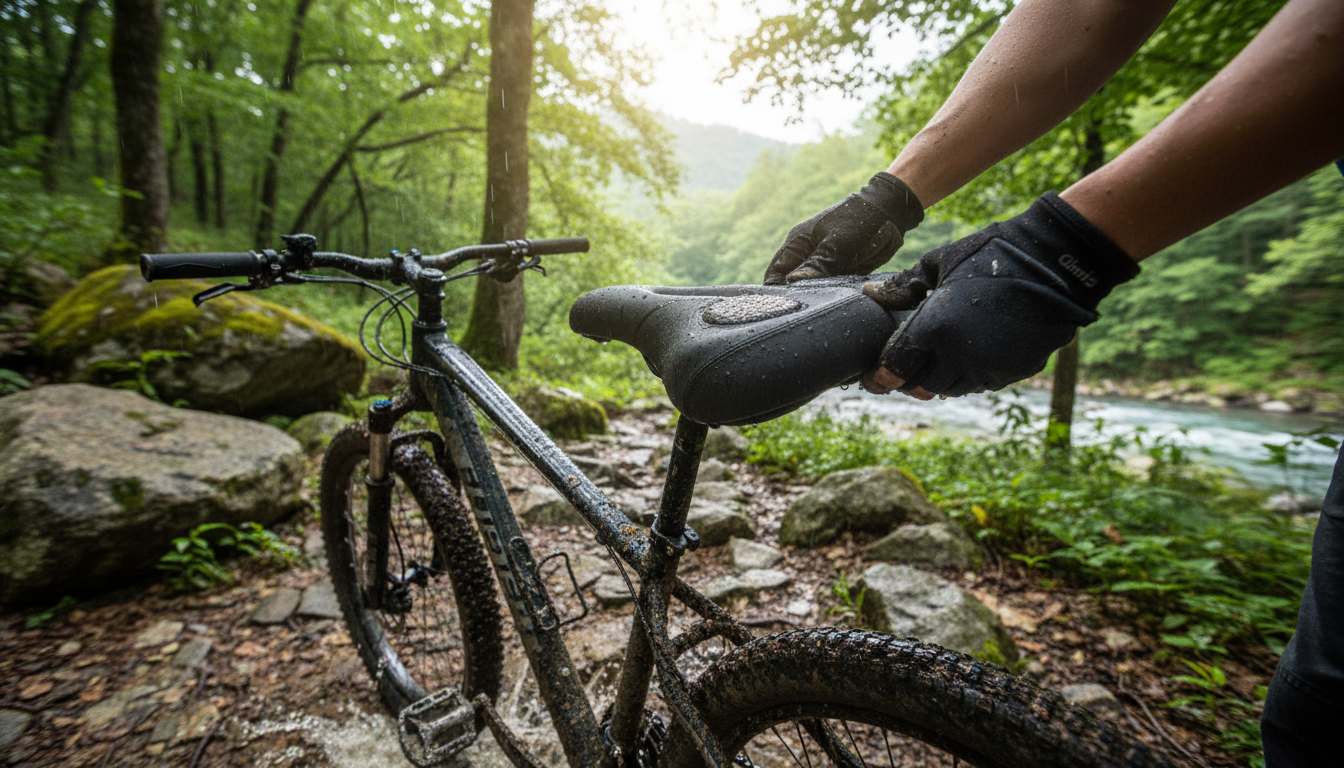
Widened, Shock-Absorbing, Waterproof Comfort for Real-World Riding
Rough pavement, gravel, and trail chatter can turn a good ride into a sore one—especially when a saddle is too narrow, too firm, or quickly soaks up rain. A widened, shock-absorbing, waterproof saddle is built to reduce pressure, smooth vibration, and stay comfortable through changing conditions so longer rides feel steadier and more supported. For more guidance, see GORIX Short Nose Bike Saddle – Shock-Absorbing Road ….
What makes an all-terrain comfort saddle different
All-terrain comfort saddles focus on steady support across mixed surfaces rather than a race-first shape that prioritizes minimal weight and maximum freedom at high intensity. The best designs typically combine: For further reading, see How to Set Up an Exercise (or Spin) Bike Properly.
- A wider rear platform to support sit bones more evenly and reduce hot spots on longer rides.
- Shock-absorbing elements that dampen repeated bumps from broken asphalt, gravel washboards, and roots.
- Water-resistant or waterproof materials that help prevent waterlogging and keep the surface feel consistent in wet weather.
- A supportive contour that balances stability with enough room to pedal naturally.
- Durable cover and stitching designed for frequent exposure, friction, and temperature swings.
Comfort and pressure relief: why width matters
Width is often the fastest path to noticeable comfort because sit-bone support is the foundation of a stable perch. A widened rear section can reduce pressure on soft tissue by spreading your weight where the body is meant to carry it.
Riders in upright and semi-upright positions—commuters, hybrids, many e-bikes, and casual trail bikes—typically place more body weight on the saddle. In those cases, a broader platform can feel immediately more “settled,” reducing the urge to shift around every few minutes.
A more aggressive road posture can still work with a wider saddle if the profile supports hip rotation without rubbing. The key is the saddle’s overall contour: supportive at the back, but not so bulky that it interferes with your pedal stroke.
Padded shorts and good technique help, but they can’t fully compensate for a saddle that’s too narrow. Common signs the saddle isn’t matching your anatomy include persistent center pressure, numbness, and sliding side-to-side searching for relief.
| Riding style / posture | Common discomfort cause | Helpful saddle traits |
|---|---|---|
| Upright commuting / city cruising | Sit-bone fatigue and road vibration | Wider rear support, vibration damping, weather-resistant cover |
| Hybrid / fitness bike | Pressure points after 30–60 minutes | Moderate-to-wide platform, contoured support, stable rails |
| Gravel / mixed terrain | Small repeated impacts and chafing | Shock absorption, smooth cover edges, supportive contour |
| Trail / easy MTB | Bumps and quick weight shifts | Secure shape, durable cover, shock damping without excessive bounce |
Shock absorption for rough roads and trails
Vibration control isn’t just about “softness.” It’s about reducing the sharpness of repeated impacts so they don’t accumulate into fatigue. When the saddle takes the edge off chatter, it can help you stay seated and steady rather than bracing for every crack or ripple.
The goal is damping that feels supportive, not bouncy. Too much bounce can waste pedaling energy and make the bike feel vague, especially when climbing or accelerating. If a saddle uses springs or elastomers, look for smooth compression and a quiet return without side-to-side flex.
For practical setup guidance on angle and fore-aft basics, Park Tool’s saddle adjustment walkthrough is a reliable reference: Park Tool — Saddle Adjustments.
Waterproof benefits beyond rainy rides
Care stays simple: wipe down with mild soap and water when needed, and periodically check seams and mounting hardware. For broader saddle selection considerations (including shape and posture), REI’s guide provides a helpful overview: REI Expert Advice — How to Choose a Bike Seat.
Setup tips: get comfort without sacrificing control
Who this style of saddle suits best
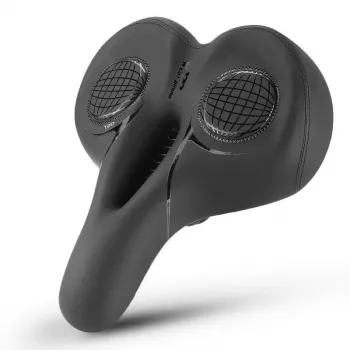
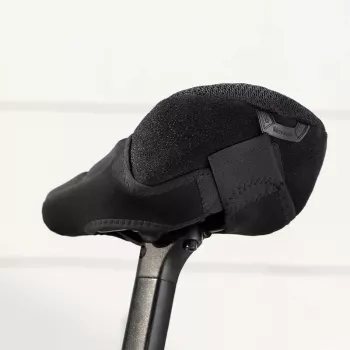
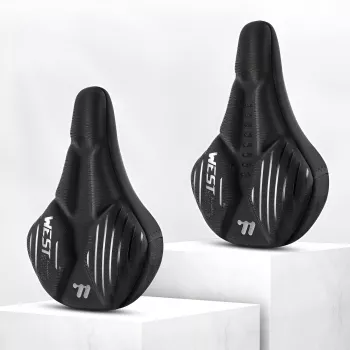
Product spotlight: Widened Shock-Absorbing Waterproof Bike Saddle
If your discomfort is coming from pressure concentration or harsh vibration (rather than an overall bike fit issue), a saddle designed around width, damping, and weather resistance can be a practical upgrade. The Widened Shock-Absorbing Waterproof Bike Saddle for All-Terrain Comfort is built for routes where surface quality changes constantly—pavement to gravel to packed trail—while keeping the seat feel consistent in wet conditions.
Quick decision guide
| If the ride feels like… | Likely cause | What this saddle feature helps with |
|---|---|---|
| Sharp jolts on cracks and gravel | High vibration and repeated impacts | Shock absorption for a smoother feel |
| Soreness at sit bones after moderate distance | Insufficient support or pressure concentration | Widened rear platform for steadier support |
| Chafing after wet rides | Moisture retention and friction | Waterproof/water-resistant cover to stay consistent |
Helpful add-ons from the shop
- Large Capacity Non-Woven Clothes & Quilt Storage Bag Organizer (handy for storing spare layers, towels, and cycling clothing).
- Using AI to Track and Enhance Your Daily Meditation Practice (Digital Download) (a simple way to support recovery routines and consistency off the bike).
FAQ
How do a widened saddle and shock absorption affect pedaling efficiency?
A supportive width can improve stability and reduce the constant shifting that wastes energy. Well-tuned damping should feel firm and controlled—helping smooth impacts without adding bounce—especially when your saddle height and tilt are set to prevent hip rocking.
Is a waterproof saddle still comfortable in hot weather?
Yes, as long as the fit matches your posture and you use breathable clothing. Waterproof covers tend to be smoother and easy to wipe clean; keeping the surface clean and watching for chafing points helps comfort in heat.
How should the saddle be angled for mixed terrain riding?
Start with the saddle level and adjust in very small increments, then test on the same mix of pavement and rough sections you normally ride. Too much nose-down can cause sliding and extra hand pressure, while nose-up often increases soft-tissue pressure.













Leave a comment