304 vs 420 Stainless Steel: Which One Is Better?
Which Is Better: 304 or 420 Stainless Steel?
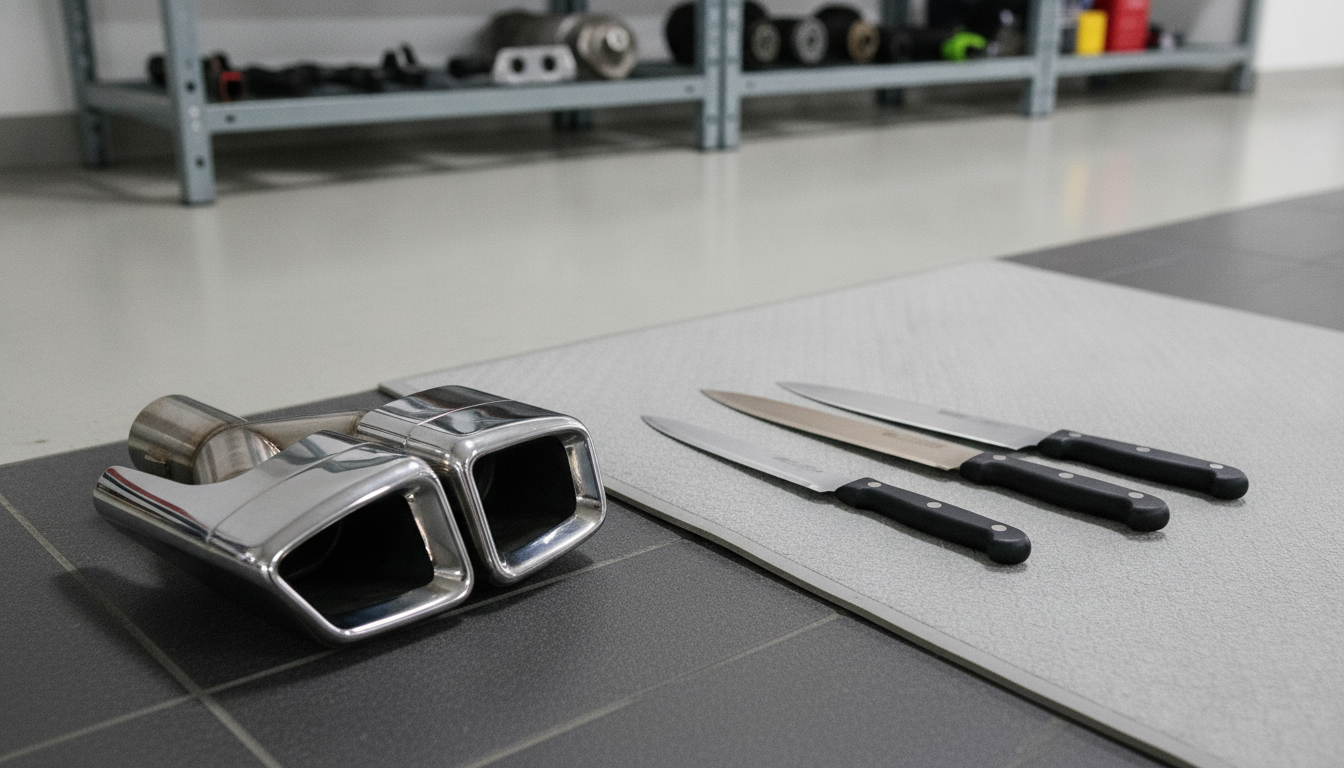
Neither 304 nor 420 stainless steel is universally “better”—they’re optimized for different jobs. For most automotive exterior parts exposed to weather and heat cycling (like exhaust tips), 304 stainless steel is usually the better pick because it resists rust and staining extremely well. 420 stainless steel can be a smart choice when hardness and edge retention matter more than corrosion resistance, but it generally needs more care to avoid surface rust in harsh environments.
304 Stainless Steel: Best for Corrosion Resistance
304 is an austenitic stainless steel known for strong corrosion resistance in everyday conditions: rain, road splash, humidity, and many chemicals found in normal driving environments. It’s also non-magnetic in its annealed state and tends to keep a cleaner-looking finish over time with basic washing.
If the part is going to live under the rear bumper, see winter roads, or get frequent water exposure, 304’s rust resistance is a major advantage. It’s also commonly used in quality exhaust components because it tolerates heat well without sacrificing corrosion performance.
420 Stainless Steel: Best for Hardness and Wear
420 is a martensitic stainless steel that can be heat-treated to become quite hard. That’s why it’s popular for cutlery, tools, and components that benefit from abrasion resistance or a sharper, more durable edge.
The tradeoff is corrosion resistance: 420 typically won’t handle salty or wet conditions as confidently as 304. On a vehicle, that can mean more frequent cleaning, a higher chance of discoloration, and a greater risk of surface rust—especially in coastal areas or snowy regions where roads are salted.
So, Which Should You Choose for an Exhaust Tip?
For most drivers, 304 stainless steel is the safer “set it and forget it” option for an exhaust tip because it’s built to stay good-looking in the real world. 420 can make sense in niche cases where hardness is the priority, but it’s less common for exterior exhaust styling parts where corrosion resistance is the main battle.
For practical fitment and installation considerations, see the related guide here: stainless exhaust tip fitment and install guide.
FAQ
Will stainless steel exhaust tips rust?
They can develop surface staining or rust if the alloy is less corrosion-resistant or if they’re exposed to salt and grime for long periods. Regular washing and choosing a corrosion-resistant grade like 304 helps minimize it.















Leave a comment