Luxury Furniture Woods: Walnut, Mahogany, Oak & Teak
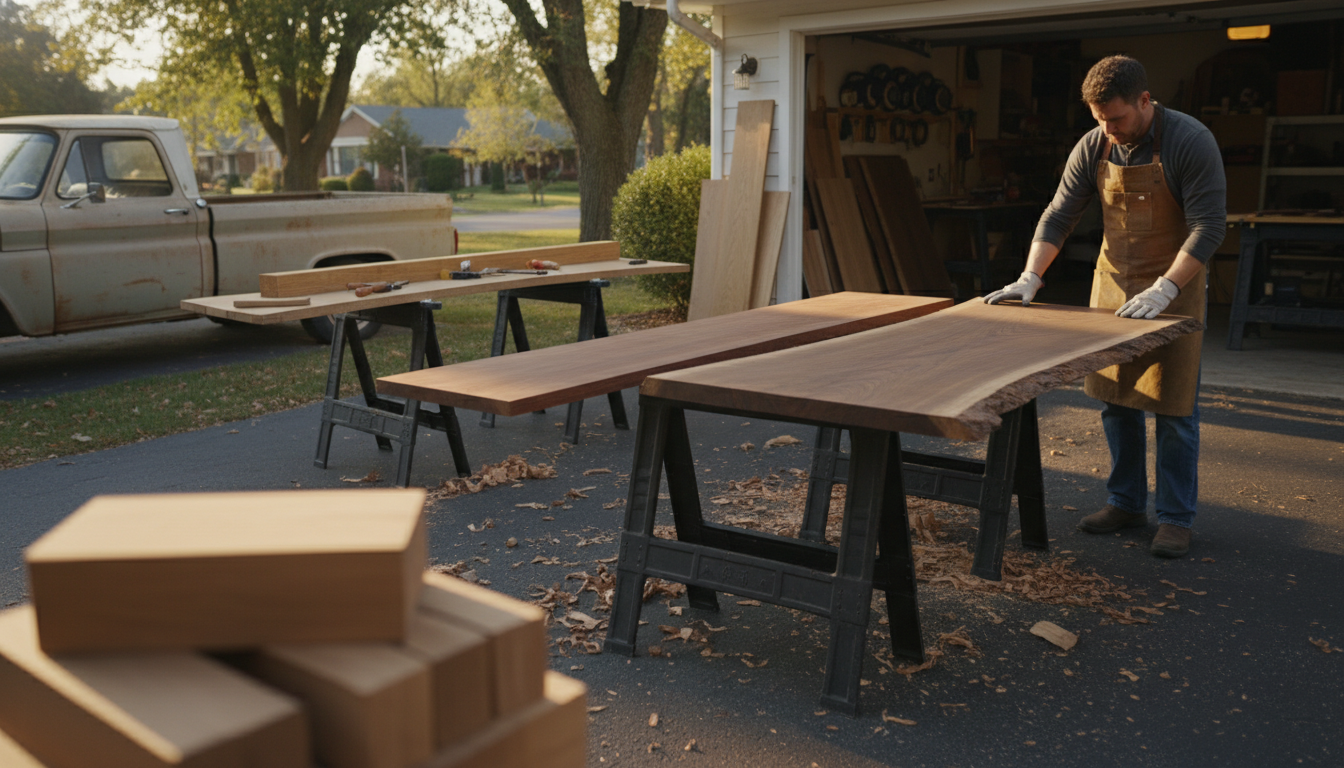
What wood is used for luxury furniture?
Luxury furniture is commonly made from slow-growing hardwoods prized for rich color, tight grain, strength, and the way they accept fine finishes. While “luxury” can refer to design and craftsmanship, the wood itself plays a major role in weight, durability, and visual depth—especially on large surfaces like tabletops, case fronts, and headboards.
Walnut
American black walnut is a standout for high-end furniture thanks to its chocolate-to-purple-brown tones and naturally elegant grain. It machines cleanly, holds crisp details, and develops a refined patina over time. Walnut is often chosen for modern luxury pieces where the wood’s character is meant to be the focal point.
Mahogany
Mahogany has a long history in premium furniture for its stability and smooth, even texture. It’s valued for warm reddish-brown color and excellent workability, making it ideal for carved elements, curved components, and traditional silhouettes. Genuine mahogany is typically more expensive and more consistent than many look-alike species.
White oak (including quarter-sawn oak)
White oak is a luxury favorite for its strength and distinctive ray fleck when quarter-sawn. It also offers excellent resistance to moisture compared with many other hardwoods, which is one reason it’s frequently used in heirloom-quality dining and bedroom furniture. Finishes can range from natural and light to deep, dramatic stains.
Teak
Teak is known for natural oils that help it resist moisture and wear, making it a premium choice for luxury indoor-outdoor pieces and high-end patio furniture. Its golden-brown color and straight grain read as upscale even with minimal ornamentation.
Maple and cherry
Hard maple brings a clean, refined look and impressive hardness, especially for surfaces that see daily use. Cherry is favored for its smooth grain and the way it deepens to a richer reddish-brown as it ages, creating a classic “grown-in” luxury feel.
For a deeper breakdown of top species, quality markers, and how wood choice affects cost and longevity, visit the main guide on luxury furniture woods.
FAQ
What is the most durable wood for furniture?
White oak, hard maple, and teak are widely considered among the most durable options because they resist wear and hold up well structurally. The best choice depends on where the piece will live and how much moisture, impact, or daily use it will face.












Leave a comment