Metro Style Interior Design: A Polished City Look
What is metro style in interior design?
Metro style (short for “metropolitan” style) is an interior design look inspired by city living: polished, practical, and a little bit upscale. It blends modern lines with comfortable, livable choices—think apartments and townhomes where every piece earns its spot. The overall effect is clean and edited, but not sterile.
What metro style looks like
Metro interiors typically lean contemporary with a subtle edge. You’ll see streamlined silhouettes, a mix of smooth and textured materials, and a purposeful balance between warmth and structure. The goal is a space that feels put-together for everyday life—easy to maintain, easy to navigate, and visually calm.
Common color palette
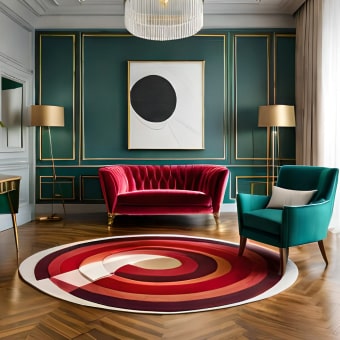
Metro style often starts with neutrals: white, cream, taupe, gray, and black. Then it adds depth with a few richer tones like navy, forest green, camel, or deep espresso. Metallic accents (brass, chrome, or matte black) are popular because they feel urban and refined.
Signature materials and finishes
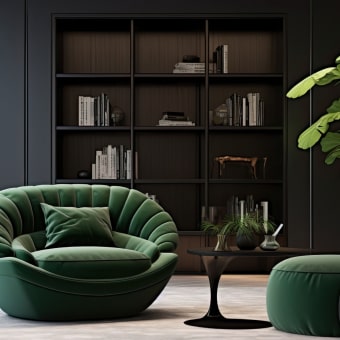
Expect a mix of materials that feel both sleek and tactile: leather or performance upholstery, glass and metal, light-to-medium woods, and stone-like surfaces. Textures matter—bouclé, ribbed knits, linen blends, and woven rugs keep the look from feeling too rigid.
Furniture and layout
Metro spaces favor furniture with clean profiles, slim arms, and raised legs that keep the room feeling open. Storage is usually integrated or visually tidy—closed cabinets, media consoles, and multifunctional pieces. Layouts prioritize flow, making the room feel efficient without looking sparse.
How to bring metro style into a room
Start with a neutral base, then add one or two standout elements: a sculptural coffee table, a structured sofa, or a bold pendant light. Layer in texture through rugs, pillows, and curtains, and keep surfaces mostly clear to maintain that “city polished” feeling. If you’re deciding which direction fits your home, use this quick guide and checklist for narrowing down your look: Quick Home Decor Style Quiz + Room-by-Room Checklist.
FAQ
What’s the difference between metro style and industrial style?
Metro style is cleaner and more refined, with softer textures and a curated feel. Industrial style leans more rugged, highlighting raw finishes like exposed brick, distressed wood, and visible ductwork or piping.











Leave a comment