UV-Resistant Color Shift Car Wrap: Install & Care Guide
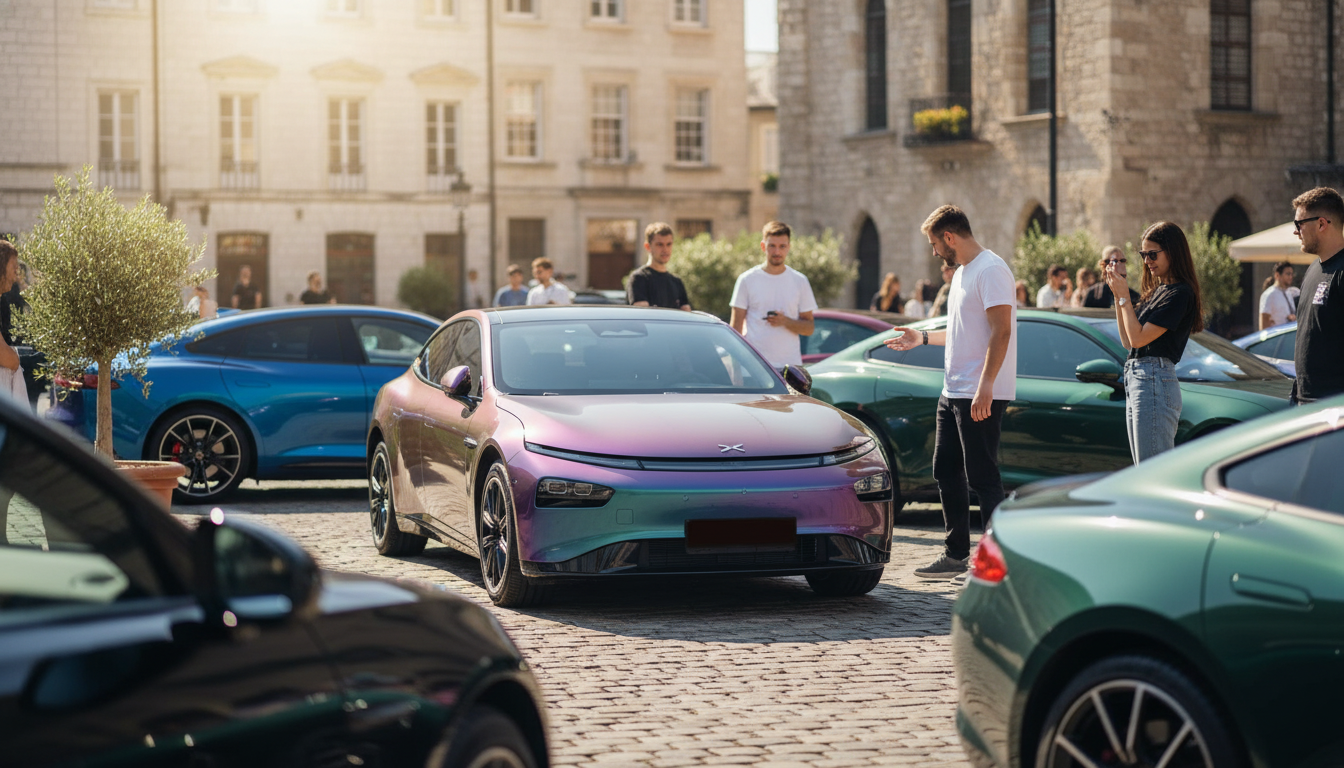
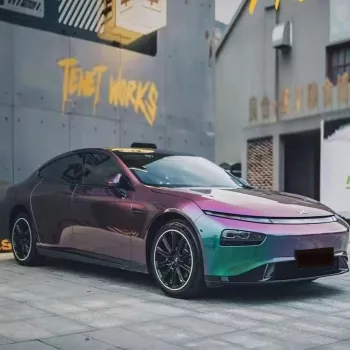
UV-Resistant Magic Color Shift Car Wrap
A magic color shift wrap delivers a multi-tone finish that changes with viewing angle and lighting, while UV resistance helps the look stay vibrant through sun exposure. If you want a head-turning “flip” without committing to permanent paint, a UV-resistant color shift film is one of the most dramatic upgrades you can make. Below is what the effect looks like in real life, how to plan an install, and how to keep the gloss and color travel looking sharp for the long haul.
What a Magic Color Shift Wrap Looks Like in Real Life
The defining feature is color travel: the finish transitions between hues as the angle changes. In direct sunlight, the shift often looks bold and high-contrast; in shade, the tones can deepen and look moodier; under streetlights, the wrap may pick up a metallic sparkle depending on the film’s top layer.
You’ll also notice “depth” and “flip.” Many color shift films use a darker base to create a stronger, more noticeable transition across body lines. Lighter bases can look more pearlescent—still eye-catching, but sometimes less intense from a distance. Curves, creases, and fender arches tend to amplify the effect because the viewing angle changes continuously across the panel.
As for where it works best, you have options:
- Accent panels (hood, roof, mirrors) for a custom look while keeping cost and install time lower.
- Full-body wraps for a show-car presence without permanent paint.
- Contrast layouts (roof/hood in shift film, body in gloss black or a factory color) to make the flip “pop.”
Why UV Resistance Matters for Color Shift Films
Sun exposure can dull pigments and reduce the intensity of the color flip over time. A UV-resistant surface is designed to slow fading and discoloration, helping the finish stay more consistent through regular outdoor driving.
Not all wraps handle sunlight the same way. The clearcoat layer and overall film chemistry influence how well the surface holds gloss and resists oxidation. Even with UV-resistant film, habits still matter: garaging the vehicle, using a breathable car cover, and avoiding long midday exposure can meaningfully extend the wrap’s visual peak. For a quick reference on sun intensity, the U.S. EPA’s UV Index guide is a helpful benchmark.
Key Benefits to Expect
- Standout styling: A dramatic, angle-dependent finish that highlights curves, creases, and body lines.
- Paint-friendly protection: A protective layer over factory paint against minor scuffs and environmental fallout (but not a substitute for impact-rated protection film).
- Removable customization: Change the look later without repainting when installed and removed correctly.
- Sun-focused durability: A UV-resistant surface designed to keep the wrap looking consistent longer under typical outdoor use.
Fit, Coverage, and Planning the Job
Start with the big decisions: how much of the vehicle you’re wrapping and how complex the body panels are. Vehicle size drives material needs—compact cars generally use less film than SUVs and trucks. Complexity factors (tight bumpers, mirrors, door handles, sharp recesses) increase time and can create more waste because you’ll cut larger pieces to maintain control and avoid overstretching.
Wrap Project Planning Checklist
| Item | What to confirm before starting |
|---|---|
| Surface condition | Paint fully cured, no peeling clearcoat, repaired chips addressed |
| Work area | Indoor space preferred; stable temperature; good lighting |
| Tools | Heat gun, felt squeegee, knifeless tape, microfiber, isopropyl alcohol |
| Time | Allow extra time for bumpers, curves, and repositioning |
| Aftercare | Wait before washing; avoid harsh chemicals; inspect edges |
Installation Notes for Color Shift Films
Edges and seams deserve extra attention. Wrap edges fully where possible, post-heat stressed areas (like recesses and corners), and avoid placing seams in high-impact or high-visibility zones. For complex bumpers and aggressive aero shapes, a professional install often reduces waste and improves longevity. For general best practices, see the care and maintenance guidance from 3M and Avery Dennison.
Care and Maintenance to Keep the Shift and Gloss
Performance Expectations and Trade-Offs
Quick Comparison: Daily Driver vs. Show-Focused Setup
| Priority | What to do | What to avoid |
|---|---|---|
| Long-lasting look | Garage when possible; gentle washes; post-heat edges | Harsh chemicals; automatic brush washes |
| Maximum color flip | Choose panels with strong curves; consistent stretching technique | Overstretching near corners and recesses |
| Clean finish | Knifeless tape; hidden seams; good lighting | Cutting directly on paint; rushed alignment |
Product Option Available Now
UV-Resistant Magic Color Shift Car Wrap is in stock and suited for creating a high-impact shifting finish while aiming for better sun durability. Before ordering, confirm how many linear feet you’ll need based on vehicle size and whether you’re doing full coverage or accents.
At-a-Glance
| Product | Price | Availability |
|---|---|---|
| UV-Resistant Magic Color Shift Car Wrap | $507.51 | In stock |
More In-Stock Picks
- Nike Women’s White T-Shirt with Round Neck and Short Sleeves
- Trendy Fashion Top Handle Leather Shoulder Bag
FAQ
How long does a UV-resistant color shift wrap typically last?
Lifespan depends on climate, sun exposure, maintenance, and installation quality, but many wraps can look good for several years with proper care. Parking in shade or a garage, washing gently, and keeping edges sealed and clean can extend the wrap’s best-looking period.
Will a color shift wrap protect paint from scratches and chips?
It can help reduce minor scuffs and provide a barrier against environmental fallout, but it isn’t equivalent to PPF for rock chips and heavy impacts. High-impact zones like front bumpers and leading edges are still the most vulnerable.
Can the wrap be removed without damaging the original paint?
When installed and removed correctly, factory paint in good condition typically allows clean removal. Aged, weakened, or previously repaired paint (especially if clearcoat is failing) can be more likely to lift during removal.












Leave a comment