Spot Fendi Style Fast: Codes, Materials & Silhouettes
How to Spot Fendi Style (Without Guessing)
Fendi style is defined by confident Roman glamour, sharp craftsmanship, and playful house codes that repeat across decades—without feeling costume-y. From the double-F motif to rich materials and clean, architectural silhouettes, the brand’s signatures show up in subtle details as much as bold logos. Use this guide to recognize the look at a glance, understand the design language behind it, and spot the differences between classic and trend-led pieces. For brand background and fashion context, see Fendi’s official website and the Encyclopaedia Britannica company profile. For more guidance, see Authenticity check: Recognize original Fendi handbags – 9ine Life. For further reading, see Fendi Bag Authentication: How To Tell If a Fendi Purse Is Real.
The DNA of Fendi: what makes the look instantly recognizable
- Roman luxury with a modern edge: polished, structured, and a little mischievous rather than overly delicate.
- A balance of restraint and statement: one bold element (hardware, logo, color) paired with clean lines.
- Craft-first finishing: edges, seams, and hardware look intentional and durable—never flimsy.
- Playful geometry: stripes, chevrons, and color-blocking that feel graphic rather than romantic.
Signature codes to look for
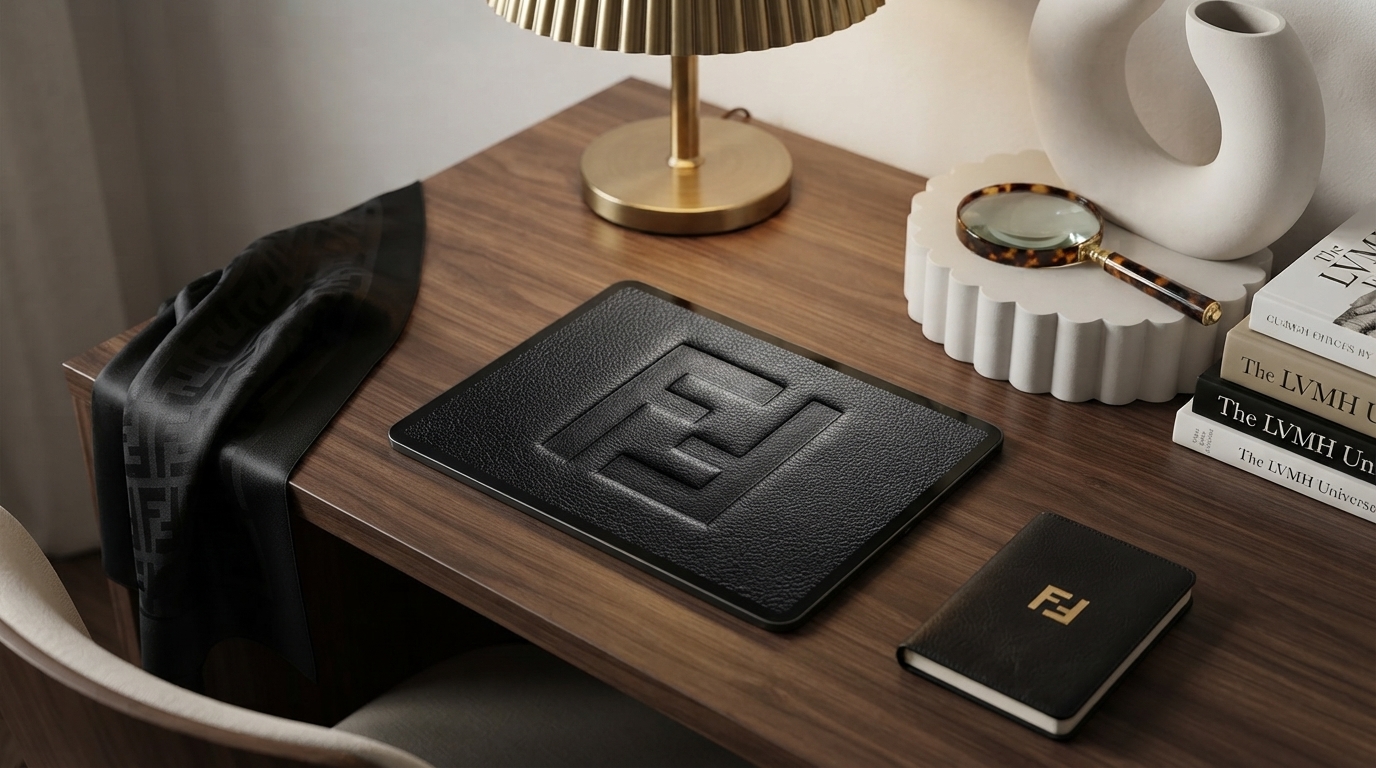
- FF (Zucca) monogram: appears as all-over jacquard, tonal embossing, metal hardware, or subtle lining prints.
- Karligraphy and updated monograms: newer logo treatments often appear larger, cleaner, and more minimal.
- Metal hardware language: bold clasps, logo-etched buckles, and sculptural chain links used as focal points.
- Yellow accents: a frequent pop color in accessories and details, often paired with neutrals.
- Fur and shearling heritage: historically important to the house; modern pieces may reference texture rather than full fur.
Materials and construction cues that read ‘Fendi’
- Leathers: smooth calf, grained leather, and high-quality nappa with consistent color saturation.
- Canvas and jacquard: monogram fabrics typically have crisp pattern alignment and a substantial hand-feel.
- Stitching: even spacing, reinforced stress points, and clean edge paint with minimal bubbling or cracking.
- Lining and interior finish: interiors are usually structured and tidy, with branding placed thoughtfully (not randomly).
Quick cues: classic Fendi styling signals
| Category | Often looks like | What to notice |
|---|---|---|
| Bags | Structured silhouettes with bold hardware | Clean corners, balanced proportions, logo used as design element |
| Ready-to-wear | Tailored pieces with graphic accents | Precise seaming, sharp shoulders, playful trim or color blocking |
| Shoes | Logos integrated into straps or heels | Stable heel construction, neat glue lines, consistent materials |
| Accessories | Monogram scarves, belts, sunglasses | Pattern alignment, weighty buckles, crisp printing/etching |
Color palettes and patterns that feel on-brand
- Neutrals anchored by beige, brown, black, and tobacco, often elevated with gold-tone hardware.
- Bold pops (especially yellow) used as an accent rather than a full head-to-toe color story.
- Graphic patterning: monogram repeats, stripes, and geometric panels that look engineered, not random.
- Tone-on-tone logos: subtle monogram embossing or woven patterns for a quieter luxury look.
Icon silhouettes and how they show up in outfits
- Structured bag shapes that frame the outfit: a strong top handle, clean flap, or architectural profile.
- Tailoring with a twist: classic coats, blazers, and knit sets punctuated by standout details.
- Statement accessories as the center point: one iconic bag or belt, with minimalist clothing around it.
- Day-to-night versatility: pieces often transition with a change in shoes or jewelry rather than a full outfit swap.
Recognizing authentic design details without turning it into a forensic exercise
- Design consistency: logos, fonts, and hardware should look cohesive with the era and collection style. A piece can look “right” even when it’s quiet—because the typography, proportions, and finishing speak the same design language.
- Pattern alignment: monogram placement tends to look intentional; seams rarely disrupt the pattern awkwardly on higher-end pieces. Misalignment happens, but it usually doesn’t look accidental or sloppy.
- Hardware feel: closures and buckles should operate smoothly and feel substantial, not tinny. The tactile experience matters—zips glide, clasps click cleanly, and chain links feel weighty.
- Overall harmony: even when the logo is loud, the piece typically looks well-proportioned and refined. The statement never overwhelms the silhouette.
How to build a Fendi-inspired look (even with one statement piece)
- Pick a hero item: a structured bag, logo belt, or monogram scarf sets the tone immediately. One recognizable element is usually enough to suggest the whole vibe.
- Keep silhouettes clean: straight-leg trousers, crisp denim, fitted knits, or a tailored coat pair well with bold accessories. Think sharp lines that let the accessory read as intentional.
- Limit competing logos: let one signature code stand out; keep the rest understated. The most convincing styling feels edited, not crowded.
- Use texture: leather + knit, jacquard + denim, or smooth tailoring + bold hardware for a polished contrast. Fendi’s energy often comes from controlled contrast rather than extra decoration.
Shop helpful picks (in stock)
- How to Spot Fendi Style: A Stylish Guide to Recognizing Fendi Fashion (Digital download)
- Large Capacity Non-Woven Clothes & Quilt Storage Bag Organizer (Great for keeping statement accessories and seasonal pieces protected and easy to rotate)
Common look-alikes and how to tell the difference
FAQ
What are the most recognizable Fendi style elements?
The most recognizable signals are the FF monogram, bold hardware, and structured silhouettes—often paired with clean tailoring. The brand also leans on classic neutrals with confident accent colors, especially yellow.
Does Fendi style always include logos?
No. Many Fendi-leaning looks rely on craftsmanship, structure, and refined materials rather than visible branding, such as tonal embossing, subtle jacquard, or logo-free tailoring with sharp finishing.
How can a beginner wear Fendi-inspired style without overdoing it?
Start with one statement piece (like a structured bag or logo belt) and keep the rest of the outfit neutral and streamlined. Avoid competing logos and add just one pop color or a strong texture contrast for a polished, intentional look.












Leave a comment