Rug Size & Style Guide for Every Room (With AI Tips)
Choosing the Perfect Rug for Any Room: Sizes, Shapes, Styles, and Simple AI Design Tips
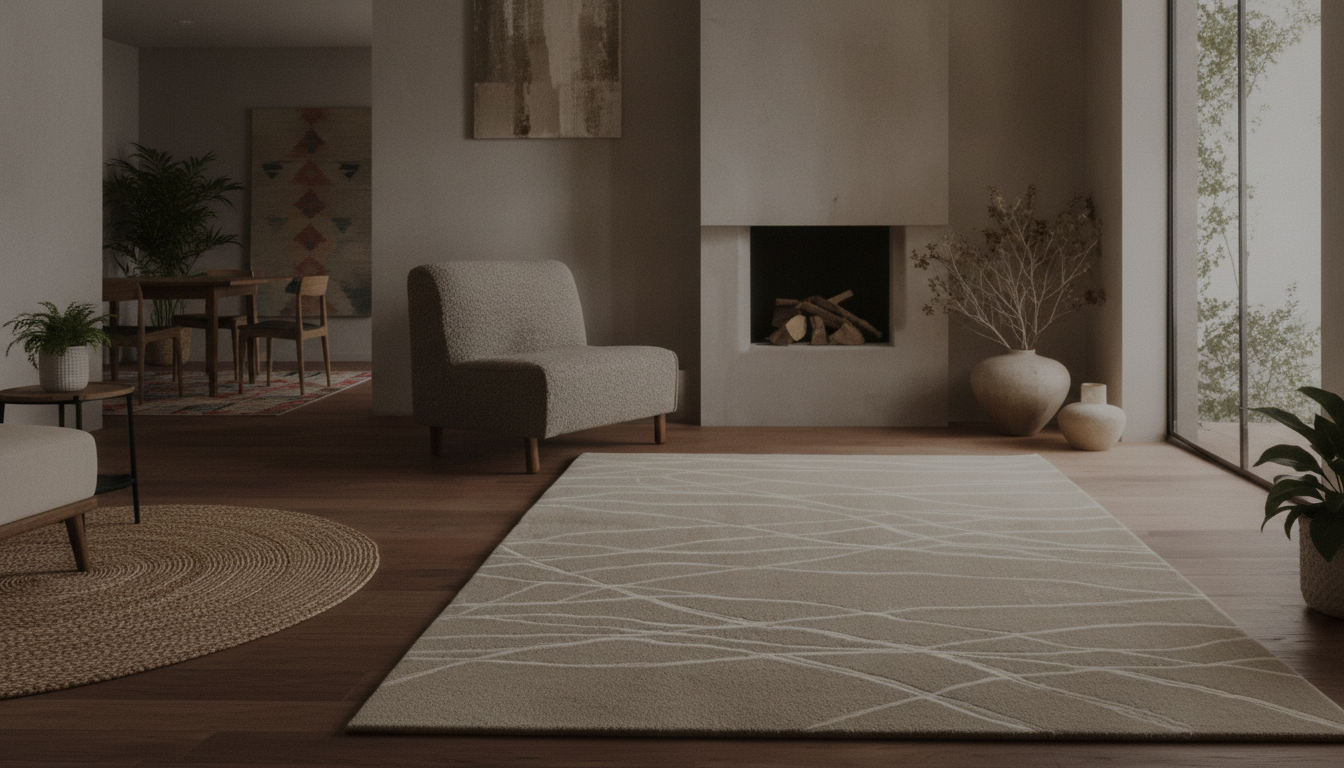
A rug can anchor furniture, soften acoustics, define zones, and pull colors together—but only if the size, shape, and placement match the room. The most common decorating regret is buying a rug that’s too small, then trying to “fix it” with furniture placement. Use the steps below to measure accurately, choose the right shape for how you actually live, coordinate patterns and textures, and sanity-check ideas with quick AI-assisted mockups before you buy. For more guidance, see How to Choose an Area Rug | Size, Style & Placement Guide.
Start With Measurements That Match Real Life
Before falling for a color or pattern, confirm what will physically work in the space. Rugs succeed when they respect door swings, chair movement, and walking paths—details that don’t show up in a product photo. For further reading, see Area Rug Size Guide: How To Choose The Perfect Rug.
- Measure the room’s usable area (exclude built-ins and door swings), then mark a “no-rug” border so edges don’t feel cramped.
- Tape the proposed rug outline on the floor to preview walking paths, chair movement, and door clearance.
- For dining rooms, include chair pull-back space so chair legs stay on the rug when seated and when pushed back.
- For bedrooms, decide whether the rug should begin under nightstands or start closer to the foot of the bed for a lighter look.
- In open-plan spaces, measure each zone (seating, dining, entry) as separate rectangles to avoid one undersized rug floating in the middle.
Quick Rug Sizing & Placement Reference by Room
| Room | Best placement goal | Common sizes that usually work | Easy check before buying |
|---|---|---|---|
| Living room | Front legs of seating on rug (or all legs on for larger rooms) | 5’×8′, 8’×10′, 9’×12 | Confirm rug extends past sofa ends and reaches at least the front legs of chairs |
| Dining room | Table and chairs fully on rug | 8’×10, 9’×12 (varies by table) | Pull a chair out ~24″ and keep all legs on rug |
| Bedroom | Soft landing on both sides of the bed | 6’×9, 8’×10, 9’×12; runners (2’×6–8′) | Step out of bed on rug; ensure rug isn’t hidden entirely under the frame |
| Entryway | Durable path that catches grit | 2’×3, 3’×5, 2’6″×7–10′ runner | Door opens freely; mat length covers the main stride line |
| Home office | Chair rolls and desk zone feel anchored | 5’×8, 6’×9, 8’×10 | Chair stays on rug when pushed back; rug doesn’t snag on casters |
Right Size Rules That Prevent the “Floating Rug” Look
When a rug is too small, furniture looks disconnected—like each piece is parked separately. A correctly sized rug visually “bundles” the seating or dining set into one confident zone.
- Living rooms: prioritize a rug large enough to connect the seating group; a too-small rug makes furniture feel disconnected.
- Aim for consistent margins: leaving a visible border of floor around the rug often looks cleaner than squeezing wall-to-wall.
- For sectionals, choose a size that extends under the main seating run and reaches the coffee table area comfortably.
- In small rooms, a larger rug can make the room feel bigger—if it doesn’t interfere with doors or create tight pinch points.
- Layering option: use a large neutral base (flatweave/jute) with a smaller patterned rug on top to add interest without shrinking the zone.
If you’re pairing a round coffee table with a living room rug, leaving enough rug “breathing room” around the table keeps the center from feeling crowded. A statement piece like the Luxury Marble Round Coffee Table with Gold Stainless Steel Base looks best when the rug is large enough that the table doesn’t visually dominate the entire textile area.
Pick the Best Shape for the Layout (Not Just the Room)
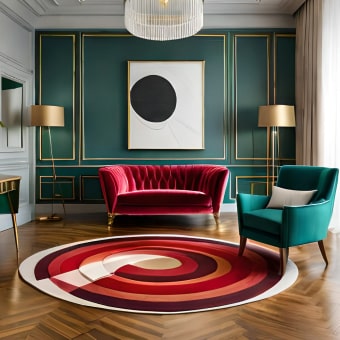
Room shape matters less than furniture shape and traffic flow. Choose the rug shape that mirrors how the space is used, not just the walls that contain it.
Style, Color, and Pattern: Make the Rug the Anchor (or the Accent)
For additional visual examples and classic placement principles, reputable references like Architectural Digest and The Spruce are helpful for comparing common living room and dining room layouts.
Materials and Pile Height: Comfort, Cleaning, and Longevity
Simple AI-Assisted Design Checks (Fast, Practical, No Guesswork)
A Guided Option for Getting It Right the First Time
For a room-by-room, step-by-step approach that’s easy to revisit while shopping, consider The Smart Guide to Choosing the Perfect Rug for Any Room (eBook). It’s designed for quick checks that help avoid the most common issues (too small, wrong shape, hard-to-clean pile) and to keep choices cohesive across multiple spaces.
If you’re reorganizing closets or rotating seasonal textiles while updating your rooms, the Large Capacity Non-Woven Clothes & Quilt Storage Bag Organizer can help keep bulky soft goods contained and dust-free between swaps.
FAQ
Should all furniture legs be on the rug in a living room?
Three layouts are common: all legs on (most “finished” in large rooms), front legs on (the most flexible and popular), or fully off (usually makes the rug feel too small). The priority is connecting the seating group so the rug visually ties the sofa and chairs together.
What size rug works best under a dining table?
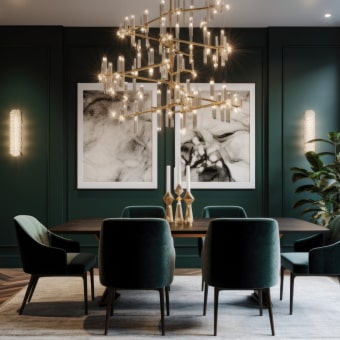
Choose a rug that keeps chairs fully on the rug when pulled out—typically adding generous clearance on all sides of the table. A simple test is pulling a chair out about 24 inches and confirming all legs remain on the rug.
Is a thicker rug always better?
No—thicker can be cozier, but it can also snag doors, make dining chairs harder to slide, and require more maintenance. In high-traffic or messy zones, low pile often performs better while still looking polished.











Leave a comment