Nordic Minimalist Round Side Table: Size, Style, Care
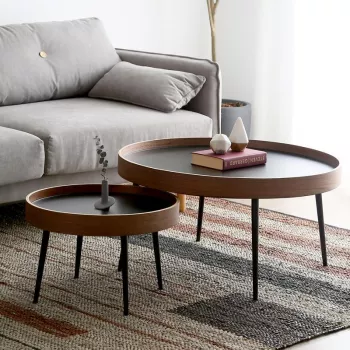
Minimalist Modern Nordic Round Side Table: Clean Lines, Warm Texture, Everyday Function
A round side table in a Nordic-modern style brings calm balance to a room: softened edges, visual lightness, and a compact surface that works beside a sofa, bed, or reading chair. The right piece should feel purposeful—easy to live with, stable on real floors and rugs, and simple to style without becoming clutter. Below is a practical guide to choosing a minimalist round side table and making it look “placed,” not temporary. For more guidance, see furniture table round – Rice University.
What Defines the Minimalist Nordic Look
Nordic-inspired minimalism is less about stark emptiness and more about quiet comfort—clean shapes warmed by natural texture. A round silhouette is a hallmark because it softens a room’s geometry and helps walkways feel open, especially near seating. For further reading, see Modern Dining At Las Vegas World Market 2011.
- Round form: reduces visual clutter and avoids sharp corners in tight traffic paths.
- Simple geometry: understated details that blend into modern, Scandinavian, and Japandi spaces.
- Neutral/natural finishes: easy to pair with wood, linen, bouclé, and matte metals.
- A “quiet” statement: noticed for proportion and balance rather than ornament or loud patterns.
If the table disappears when the room is calm—but looks intentional when styled—that’s the Nordic sweet spot.
Where a Round Side Table Works Best
Round side tables earn their keep in the everyday zones where people reach, set down, and move through.
- Next to a sofa or sectional: holds a drink, book, remote, and a small lamp without corners near knees.
- Beside the bed: a lighter alternative to bulky nightstands in small bedrooms or guest rooms.
- In a reading corner: pairs with an accent chair and floor lamp to create a finished vignette.
- In an entryway: a narrow-space landing spot for keys plus a small tray for daily essentials.
- Between two chairs: acts as a compact conversation table that keeps the seating area airy.
Materials, Finish, and Feel
Top surface: daily-life friendly
The tabletop takes the most wear: cups, lotions, candles, and electronics. Prioritize finishes that wipe clean and don’t demand constant babysitting. For general upkeep guidance, the American Cleaning Institute offers practical cleaning tips that translate well to everyday furniture care (gentle cloths, prompt wipe-ups, and avoiding harsh abrasives).
Base stability: no wobble, no fuss
A beautiful table isn’t useful if it rocks on a rug or uneven floor. Look for a base footprint that feels planted and balanced. If the table will sit on plush carpeting, a wider base (or a supportive rug pad) can help prevent tipping and wobble.
Edge profile: softer is more Nordic
A gently rounded edge reads warmer and more Scandinavian than a sharp bevel. It’s also friendlier in tight spaces—especially beside upholstered seating where people brush past the table frequently.
Color temperature: warm vs. cool minimalism
- Warm neutrals (oak tones, beige, cream) soften modern rooms and play well with woven textures.
- Cool neutrals (white, gray) emphasize a crisp, gallery-clean minimal look.
If sustainability is a priority, consider wood pieces made from responsibly managed forests; the Forest Stewardship Council (FSC) explains what certification means and why it matters.
Size and Placement Guide
Scale is what makes a side table feel “custom” to the room rather than like an afterthought. Aim for a height that’s comfortable from the seat and a top size that matches the way the table will actually be used.
- Height: align the tabletop near the height of the sofa arm so reaching feels natural; slightly lower often looks cleaner than taller.
- Clearance: leave enough room for legs and easy vacuuming, especially beside bulky upholstery.
- Rug pairing: ensure the base sits flat; consider a sturdier base or rug pad if pile is thick.
- Use-case fit: for a lamp + décor, choose a slightly larger top; for a drink and phone, compact is ideal.
Quick Placement Checklist for a Round Side Table
| Placement | Best For | What to Check |
|---|---|---|
| Sofa side | Everyday essentials | Top near arm height; stable base on rug |
| Bedside | Nighttime items | Room for a lamp + phone; easy reach from pillow |
| Reading nook | Cozy styling | Leave walking clearance; pair with warm light |
| Between chairs | Conversation area | Top wide enough for two cups; centered alignment |
| Entryway corner | Drop zone | Doesn’t block traffic; add tray to organize |
Styling Ideas That Stay Minimal
Care and Everyday Durability
Pairing Suggestions for a Cohesive Room
- Make the minimalist moment the anchor: place the Minimalist Modern Nordic Round Side Table beside a sofa with a linen throw and a warm bulb lamp for a calm, everyday setup.
- Add a luxe contrast: pair clean side-table lines with a statement centerpiece like the Luxury Marble Round Coffee Table with Gold Stainless Steel Base to elevate the living room without adding visual noise.
- Layer in warmth above: soften sharp modern angles with woven lighting such as the Southeast Asian-Inspired Bamboo and Rattan Pendant Chandelier.
- Balance light pieces with grounded storage: in larger spaces, pair minimalist accents with a substantial console like the Rustic Wood Sideboard for a room that feels both airy and complete.
FAQ
What height should a round side table be next to a sofa?
Aim for a tabletop close to the sofa arm height so it’s comfortable to reach from a seated position. Slightly lower than the arm often looks cleaner and feels less intrusive than a taller table.
How do you style a minimalist side table without making it look empty?
Use one practical item (like a lamp or tray) plus one or two low accents (a book and a small vase). Leave negative space so the surface still feels calm and intentional.
Is a round side table better than a square one for small spaces?
Round tops reduce sharp corners and improve flow around tight seating areas. They typically feel visually lighter and are easier to pass by in narrow layouts.









Leave a comment