Fendi-Inspired Style Checklist: Build a Luxe Capsule
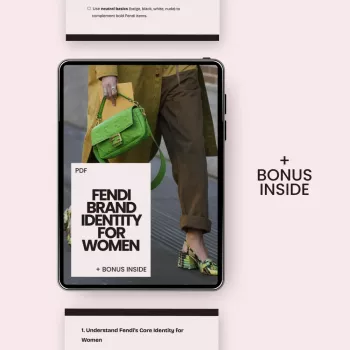
Fendi Brand Identity for Women: A Checklist for Luxury Everyday Style
Building a wardrobe that consistently reads as “Fendi-inspired” isn’t about owning a closet full of logos—it’s about creating a recognizable identity: polished Roman luxury, modern structure, and intentional finishing. Use the framework below to define your signatures, edit your pieces into a working capsule, and keep outfits cohesive across seasons, occasions, and travel days. For more guidance, see Fendi – fashionabc.org.
What “Fendi identity” looks like in everyday dressing
The core impression to aim for is refined confidence: clean lines, strong proportions, and one elevated detail that feels deliberate rather than busy. Think structured bags, sharp tailoring, and elevated basics (crisp shirting, sleek knits, straight-leg trousers) finished with subtle house-code touches. For further reading, see A Deep Dive Into Fendi Women’s F/W ’24 Runway.
The payoff of a brand-identity wardrobe is repeatability: fewer pieces, clearer outfit formulas, and a look that consistently feels like “you” without constant shopping.
House codes to recognize and use intentionally
Fendi is known for its iconic motifs and impeccable finishing, but restraint is what keeps the look expensive. A helpful rule: one logo moment per outfit—bag or belt or scarf, not all three.
- Monogram and motifs: choose one focal branded piece to avoid visual clutter.
- Luxury materials: smooth leather, suede, wool, cashmere blends, quality denim, and crisp cotton shirting elevate even simple silhouettes.
- Hardware and finishing: precise stitching, polished closures, and structured shapes that hold their form.
- Print strategy: anchor one patterned item with quiet solids so the outfit stays composed.
For deeper background on the house, see Encyclopaedia Britannica’s overview of Fendi and the brand’s own runway-to-ready-to-wear perspective at the official Fendi website.
Color palette and texture rules that keep outfits coherent
Coherence comes from two decisions: a stable neutral base and a simple texture plan. Start with a base palette built for mixing: black, ivory, camel, chocolate, taupe, stone, and muted gray. Then add one “power” color at a time—deep red, forest green, cobalt, or a soft seasonal pastel.
- Texture balancing: pair one structured piece (blazer, coated denim, leather) with one soft piece (fine knit, silk, jersey).
- High-low discipline: if the statement item is bold, keep shoes and jewelry minimal; if accessories are bold, keep clothing lines clean.
Silhouette checklist: proportions that read luxe
Luxury dressing often looks “quiet” because the proportions do the work. Prioritize clean shoulders, sharp collars, and fabrics that drape or hold shape intentionally.
- Top half: sleek knits, crisp shirts, tailored jackets; avoid overly fussy details unless balanced by structure.
- Bottom half: straight-leg trousers, refined denim, pencil or A-line skirts; hems should look intentional (no dragging, no bunching).
- Outerwear: structured coats, cropped jackets, or longline blazers that create a strong outline.
- Fit rule: choose one focal proportion per outfit (wide leg OR oversized top, not both).
Capsule wardrobe planner: build the core in layers
Start with “repeat heroes”—a small set of pieces that can create at least 10 outfits before you add any statement items. Then add one standout element at a time (bag, special shoe, or event-ready piece). Keep the color story consistent across seasons and swap fabrics: linen/silk for warm months, wool/cashmere for cold months.
Capsule Planner (Example Mix-and-Match Grid)
| Category | Core Pieces (Start Here) | Optional Statement Add-ons | Outfit Notes |
|---|---|---|---|
| Tops | Crisp white shirt; black knit; silk camisole | Monogram scarf; logo tee (one only) | Tuck to define waist; keep neckline clean for jewelry |
| Bottoms | Tailored trousers; straight dark denim; midi skirt | Leather pants (seasonal) | One wide-leg item max per outfit |
| Dress | Simple sheath or knit midi | Printed dress (single pattern) | Let accessories do the work on minimal dresses |
| Layering | Blazer; lightweight knit; structured coat | Cropped jacket | Match hardware tones across layers |
| Shoes | Sleek loafer; pointed pump; minimal sneaker | Statement heel | Keep toe shape consistent for a signature look |
| Bags | Structured everyday bag | One logo/monogram bag | One statement bag is enough—avoid competing logos |
| Jewelry | Small hoops; thin chain; signet ring | Bold cuff (solo) | Repeat the same metal to look intentional |
Accessory system: the fastest way to signal identity
Accessories can “lock in” your identity even when you’re wearing basics. Build a simple hierarchy: one structured everyday bag plus one special-occasion bag, and keep charms/straps intentional rather than constant.
- Jewelry uniform: pick one metal (gold or silver) and 2–3 repeatable pieces.
- Finishers: belts, sunglasses, and scarves sharpen outfits without requiring extra layers.
- Logo restraint: if the bag is loud, keep belt and jewelry quiet; if jewelry is loud, keep the bag clean.
AI-assisted styling workflow (simple, repeatable, and practical)
Quality, authenticity, and care habits that protect the look
How to use the checklist and planner week to week
Helpful tools (in stock)
- Fendi Brand Identity for Women Checklist – Luxury Style Guide, Capsule Wardrobe Planner & AI Styling Tool | fendi brand identity for women
- Large Capacity Non-Woven Clothes & Quilt Storage Bag Organizer
FAQ
How can a capsule wardrobe still feel luxurious and not repetitive?
Rotate one statement element at a time (bag, shoe, or scarf), and keep the rest grounded in a stable neutral palette. Freshness comes from texture shifts—leather with knit, silk with tailoring—plus a few reliable outfit formulas that you can remix.
What are the easiest pieces to start with for a Fendi-inspired identity?
Start with structured outerwear, tailored trousers, a crisp white shirt, sleek shoes, and one structured bag. Prioritize fit and material quality, then use a restrained logo strategy so your wardrobe looks intentional rather than busy.
How does an AI styling tool help if the wardrobe is already curated?
It speeds up outfit generation for specific occasions, highlights missing connector items that make more outfits, and helps you pack smarter with mini-capsules. It also checks consistency against your chosen palette and silhouette rules so the look stays cohesive.








Leave a comment