7L Smart Sensor Trash Can: Stainless Steel, 3-in-1
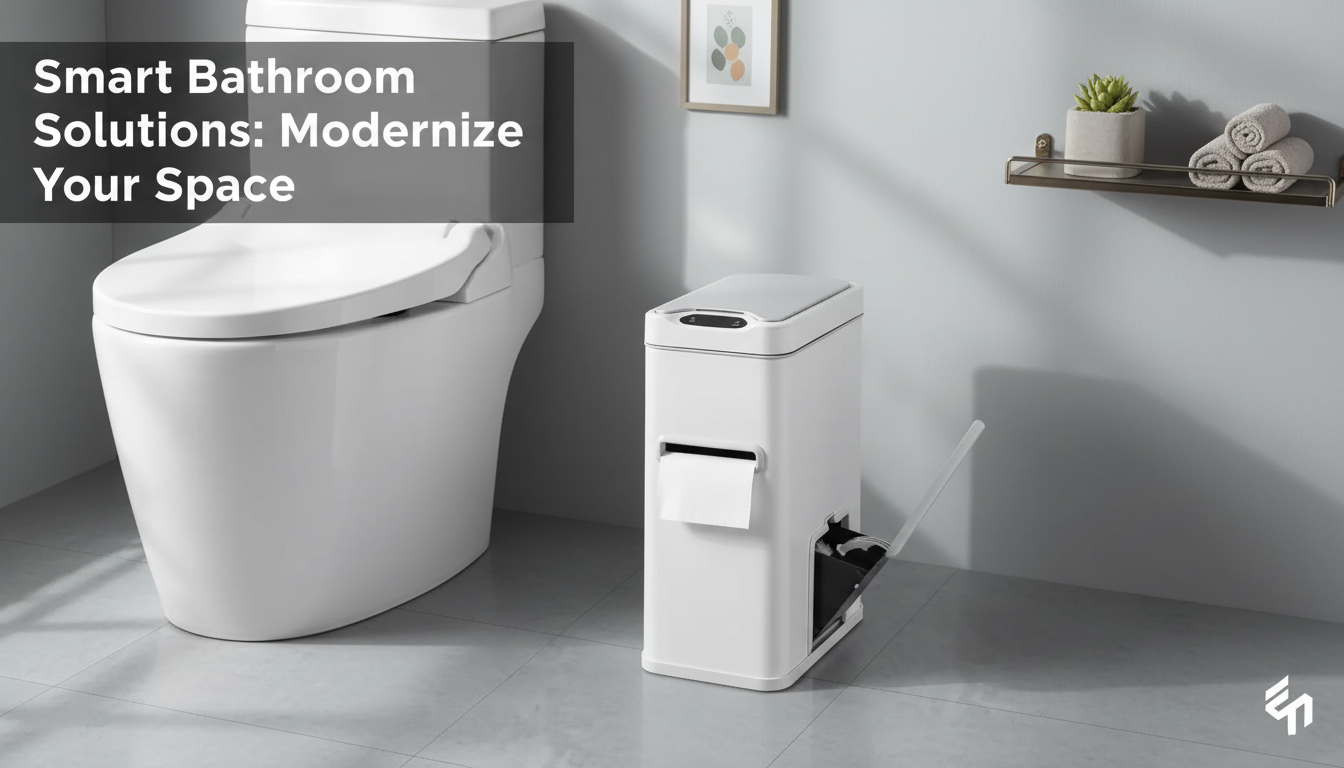
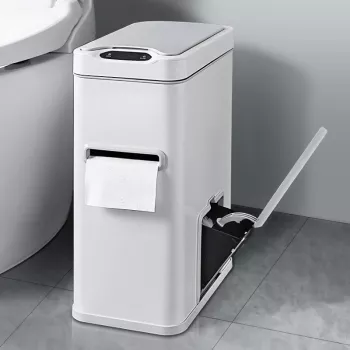
7L Stainless Steel Smart Sensor Trash Can with 3-in-1 Function: A Small Bin That Keeps Daily Messes Under Control
A compact stainless steel sensor bin can make everyday cleanup quieter, cleaner, and more organized—especially in tight kitchens, bathrooms, offices, and bedside setups. A 7L smart sensor trash can with a 3-in-1 function is designed for quick tosses, cleaner liner changes, and better day-to-day hygiene habits without taking up precious floor space. Below is a practical guide to what this style of bin is meant to do, where it fits best, and how to keep it running smoothly over time.
What the 3-in-1 function is meant to solve
A “3-in-1” smart sensor bin typically focuses on three everyday pain points: touch-free disposal, tidier bag handling, and cleaner-looking storage in small rooms. While exact features vary by model, the goal is the same—reduce friction in quick, frequent disposal moments.
- Hands-free lid operation helps reduce contact with shared surfaces during cooking, grooming, or caregiving routines.
- One compact bin for multiple tasks (quick tosses, odor-conscious daily waste, and liner management) can keep small spaces from feeling cluttered.
- Stainless steel is chosen for easy wipe-downs and a modern look that blends with fixtures, appliances, and hardware.
- 7L capacity encourages frequent emptying, which can be a plus for bathrooms, nursery areas, and desk-side waste where odors and residue build quickly.
For a ready-to-place option, see the 7L Stainless Steel Smart Sensor Trash Can with 3-in-1 Function.
Best places to use a 7L smart sensor bin
A 7L bin is at its best when it’s not expected to carry an entire household’s daily trash load. Think “frequent, small tosses” in predictable routines—where a touch-free lid feels like a true upgrade.
- Bathroom: ideal for tissues, cotton pads, wipes (discard only; avoid flushing), and packaging.
- Home office: keeps paper scraps and small disposables contained without interrupting work.
- Bedroom or nursery: quieter, hands-free access for nighttime disposables and quick cleanups.
- Kitchen side station: good for coffee pods/filters, small prep scraps, or as a secondary bin near a prep area.
- Entryway or laundry room: handy for lint, tags, and small packaging waste.
Room-by-room fit guide (7L capacity)
| Room | Typical waste | Why 7L works well | Placement tip |
|---|---|---|---|
| Bathroom | Tissues, packaging, cotton rounds | Frequent emptying reduces lingering odors | Keep within reach of sink/vanity |
| Office | Paper scraps, wrappers | Compact footprint near desk | Place beside or under desk edge |
| Bedroom/Nursery | Wipes, small disposables | Hands-free use is convenient during routines | Use a stable corner away from reach of pets |
| Kitchen (secondary) | Coffee prep waste, small scraps | Keeps main bin from filling with light waste | Set near coffee bar or prep station |
Stainless steel build: durability, cleaning, and fingerprints
Stainless steel is popular because it’s durable and easy to refresh visually—especially in rooms where moisture and residue are common. A few simple habits keep it looking sharp and help the lid move smoothly.
- Wipe down with mild soap and water using a soft cloth; then dry to reduce streaks and water spots.
- Buff fingerprints with microfiber; avoid abrasive pads or gritty cleaners that can dull the finish over time.
- Keep the lid rim clean—sticky residue around the opening is a common reason lids feel less smooth.
- Separate wet scraps in kitchens (compost or a sealed container) to reduce moisture inside a small bin.
Tip for tight layouts: if the bin sits beside cabinetry, pairing storage nearby can reduce countertop clutter that leads to “extra” trash. A compact staging surface like a Rustic Wood Sideboard can keep paper goods, liners, and cleaning spray close at hand (and off the floor).
Sensor use basics and everyday habits that prevent issues
Most sensor-related frustrations come down to placement and overfilling. A small repositioning and a consistent liner routine usually solve the common problems.
Quick spec check and buying considerations
At-a-glance checklist before placing the bin
| Checkpoint | What to look for | Why it matters |
|---|---|---|
| Clearance above | Enough space for lid movement | Prevents scraping shelves/counters |
| Trigger zone | Not facing constant movement | Reduces unwanted openings |
| Liner size | Fits snugly, no bunching | Improves seal and appearance |
| Cleaning access | Easy to wipe around lid rim | Helps control residue and odor |
Care, odor control, and safe waste handling
- Wipe or rinse the inner bucket (if included), then dry fully to prevent lingering smells.
- Use baking soda or an odor-absorbing insert near (not inside moving parts) to help neutralize odors.
- Bag messy waste to keep the interior cleaner and reduce residue around the lid.
- Practice good hand hygiene after handling household waste. The CDC’s guidance on handwashing is a helpful baseline: CDC — Handwashing: Clean Hands Save Lives.
For a routine that reduces overall waste volume (and how fast any small bin fills), consider simple recycling and waste-reduction habits from U.S. EPA — Reduce, Reuse, Recycle.
FAQ
Is a 7L sensor trash can big enough for a kitchen?
A 7L bin usually works best as a secondary kitchen trash can—near a coffee station, prep corner, or pantry—rather than the main household bin. For primary kitchen use, larger capacity options are typically more convenient, especially for families or frequent cooking.
How can false sensor openings be reduced?
Move the bin away from high-traffic paths, direct sunlight, reflective surfaces, and swinging cabinet doors. Keeping the lid rim clean and avoiding overfilling (or liners interfering with the lid) also helps prevent unexpected openings.
What is the simplest way to keep a stainless steel bin looking clean?
Use mild soap and water with a soft cloth, then dry with a microfiber cloth to prevent water spots. Avoid abrasive pads, and periodically wipe the lid rim where residue tends to collect.














Leave a comment