Versace Collecting Guide: Authenticity, Deals, Archive
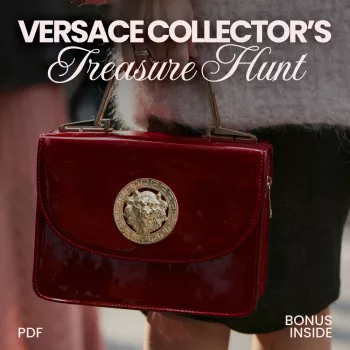
Collecting Versace is part fashion history, part detective work: knowing eras, spotting details, and buying with a plan. A “treasure hunt” approach keeps the thrill while protecting your budget—so each pickup strengthens a cohesive archive instead of becoming an expensive impulse buy. For more guidance, see Versace.
Start with a collector’s map: era, category, and budget
The fastest way to build a standout Versace archive is to define what “belongs” in it before the first purchase. Pick a focus—runway-era ready-to-wear, vintage Medusa accessories, Baroque-print pieces, 90s supermodel campaign-era looks, or modern collaborations—so every find has a clear reason to exist. For further reading, see How to Tell if Your Versace is Real.
Next, use a three-tier target list: “grails” (rare, higher budget), “core builders” (common enough to find with patience), and “fun finds” (small accessories, novelty items, or low-risk experiments). This structure prevents overspending while still letting you say yes to the occasional unexpected gem.
Finally, define acceptable condition levels by category. Minor scuffs can be acceptable on hard goods if hardware and structure are solid, while print cracking, seam stress, or fabric thinning can be deal-breakers for garments. Set a monthly spend cap and keep a separate authentication/repair buffer—because skipping verification and maintenance is how “great deals” turn into costly regrets.
Vintage sizing can vary widely, so decide preferred sizes and measurements upfront (pit-to-pit, shoulder, waist, inseam, insole length). Better measurement discipline means fewer returns, fewer resales, and a collection that actually gets worn.
Treasure Hunt Checklist by Item Type
| Item type | High-value details to check | Common red flags | Best places to find |
|---|---|---|---|
| Silk shirts & scarves | Print alignment, hem stitching, label font/spacing, fabric hand-feel | Blurry prints, uneven borders, incorrect label placement | Luxury resale platforms, vintage boutiques, estate sales |
| Bags | Hardware engraving, zipper quality, interior lining, serial/production codes where applicable | Lightweight hardware, sloppy glazing, mismatched fonts | Consignment, authenticated resale, select auctions |
| Jewelry | Weight, clasp build, hallmark/marking consistency, stone setting | Greenish plating wear, weak clasps, rough casting lines | Resale with authentication, specialist vintage dealers |
| Shoes | Sole stamping, stitching density, insole branding, heel construction | Glue residue, uneven stitching, incorrect logo placement | Consignment, outlet discoveries, resale apps (with extra checks) |
Where collectors actually score the best finds
Collectors rarely rely on one source. The best archives are built by rotating channels based on what you’re hunting and how much risk you’re willing to manage.
- Official channels: Seasonal sales and outlets can deliver modern pieces at better value, especially accessories and shoes. Always confirm return policies and final-sale rules via the Versace official website.
- Luxury resale platforms: Prioritize listings with strong authentication and a return window. Review platform standards (for example, The RealReal Authentication and Vestiaire Collective Trust & Authentication) and still do your own checks.
- Local consignment and vintage shops: Ideal for in-person inspection. Bring a small measuring tape, check labels, and feel materials—silk, leather, and hardware quality are hard to fake up close.
- Auctions and estate sales: Great for rare items and provenance, but add buyer’s premium, shipping, and potential restoration to your math before bidding.
- Collector communities: Niche groups can surface obscure runs and colorways. Use secure payments, request timestamps, and treat urgency like a red flag—not a reason to rush.
For a phone-friendly system that keeps sourcing organized, Versace Collector’s Treasure Hunt – Exclusive Shopping Tips for Versace Collectors (Digital Download) is designed to function like a repeatable hunt routine: where to look, what to ask, and how to log what matters.
A fast authenticity and condition routine (before making an offer)
Before negotiating, lock in a consistent verification flow. You’re trying to reduce uncertainty—not chase perfection—so you can price risk accurately.
Negotiation and timing: practical tactics that keep deals fair
Build an archive: tracking, storage, and care that preserves value
If you need an affordable way to separate, cover, and organize pieces in a closet rotation, consider the Large Capacity Non-Woven Clothes & Quilt Storage Bag Organizer for short-to-medium-term storage (especially for dust protection and category sorting).
Make the hunt fun: themed quests that sharpen the eye
Digital guide: Versace Collector’s Treasure Hunt
If you want a repeatable system rather than scattered notes, Versace Collector’s Treasure Hunt – Exclusive Shopping Tips for Versace Collectors (Digital Download) is a concise download built to turn casual browsing into a consistent workflow: where to look, what to ask for, how to sanity-check pricing, and how to track pieces into a cohesive archive.
FAQ
What photos should be requested before buying a pre-owned Versace piece?
Request full front and back shots plus close-ups of labels and care tags, stitching at stress points, hardware engravings, interior lining, and any serial/production markings present. For shoes, add soles and insoles, and ask for a natural-light video sweep when possible.
How can a Versace collection be kept cohesive instead of random?
Choose a focus (era, motif, or category), then use a tiered wish list (grails/core builders/fun finds) so purchases fit a plan. Keep a simple catalog with measurements, condition notes, and photos so you don’t accidentally buy duplicates or “almost right” pieces.
Are luxury resale platforms safer than peer-to-peer listings for collectors?
Luxury resale platforms can be safer due to built-in authentication and returns, but fees and limited listing photos can be drawbacks. For higher-value items, buyer protection and a clear dispute process often outweigh the extra cost.













Leave a comment