Dog Brushing Routine: Tools, Frequency, and Mat Control
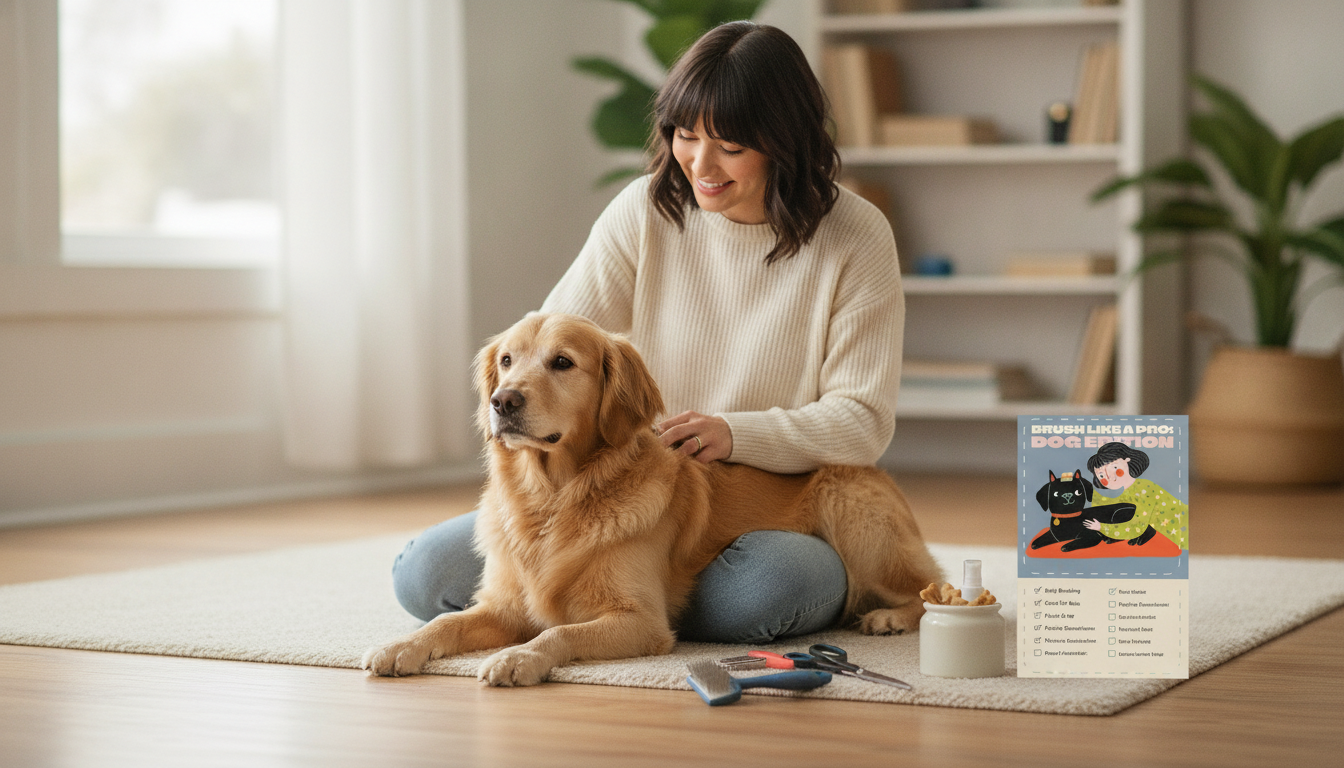
Brush Like a Pro: A Simple Dog Brushing Routine for Healthier Coats
A consistent brushing routine can cut down on shedding, prevent painful mats, and help you notice skin issues before they become big problems. The key is matching your brushing schedule and tools to your dog’s coat type—then keeping sessions short, calm, and repeatable. Below is a simple routine you can stick to, plus an easy checklist option to help you stay consistent. For more guidance, see Dog Grooming Tips – ASPCA.
Why brushing matters beyond shedding
- Removes loose hair and dander so coats stay cleaner and there’s less hair around the house.
- Prevents tangles and mats that tug on skin and trap moisture (a common recipe for irritation).
- Distributes natural oils for healthier shine and less breakage.
- Gives you a quick check for ticks, fleas, hot spots, bumps, and sore areas.
- Helps dogs get comfortable with handling, making vet visits and professional grooming easier.
For general grooming guidance and coat care basics, see the American Kennel Club’s dog grooming tips and the ASPCA’s guide to grooming your dog. For further reading, see Dog grooming tips to keep your pet looking (and feeling) their best.
Brushing frequency by coat type
- Use coat type as the starting point, then adjust for season, activity level, and matting tendency.
- During heavy shedding seasons, increase frequency rather than brushing much longer in one session.
- For dogs prone to mats (especially behind ears, armpits, collar area, and tail), do quick daily checks even if full brushing is less frequent.
Quick frequency guide (adjust as needed)
| Coat type | Typical brushing cadence | Primary goal | Common trouble spots |
|---|---|---|---|
| Short, smooth coat (e.g., many hounds, boxers) | 1–2× per week | Remove loose hair, polish coat | Neck/collar line, hips |
| Double coat (e.g., shepherds, huskies) | 2–4× per week; daily during blowout | Manage undercoat, reduce shedding, prevent impacted coat | Behind ears, breeches, chest |
| Medium/long coat (e.g., setters, spaniels) | 3–5× per week | Prevent tangles, keep feathering smooth | Feathering, belly, tail |
| Curly/wavy (e.g., poodles, doodles) | Daily line-brushing; full session 3–7× per week | Prevent mats close to skin | Armpits, ears, legs, collar area |
| Wire coat (e.g., many terriers) | 1–2× per week (plus coat maintenance as advised) | Remove debris, maintain texture | Beard, legs, skirt |
Tools that make brushing faster (and kinder)
- Slicker brush: Great for detangling and removing loose hair on many medium/long and curly coats; use light pressure to avoid brush burn.
- Pin brush: Helpful for longer coats and finishing passes; less effective on dense undercoat.
- Undercoat rake: Lifts dead undercoat on double-coated breeds; avoid scraping skin and don’t overwork one spot.
- Deshedding tool: Can work well but may cut coat if used aggressively; follow the tool’s instructions and stop if skin gets pink.
- Metal comb (greyhound comb): The “proof tool”—if the comb can’t pass through, tangles are still there.
- Detangling spray/conditioning mist: Reduces friction and breakage when working out light tangles.
- Treats and a non-slip surface: Improves cooperation and reduces fidgeting.
A step-by-step brushing session (10–15 minutes)
If you notice persistent itching, redness, odor, or recurring flaky/greasy changes, pause grooming and check in with a veterinarian. For general skin and coat health considerations, see VCA Animal Hospitals’ pet health library.
Trouble spots and how to handle them
Printable checklist to stay consistent
If you want a simple, ready-to-use routine tracker, see Printable Dog Brushing Checklist for Healthy Coats & Easy Grooming.
Helpful add-ons to keep grooming organized
- Keep tools in one place: A dedicated organizer makes it easier to brush more often (and for shorter sessions). Consider Large Capacity Non-Woven Clothes & Quilt Storage Bag Organizer for storing brushes, sprays, towels, and grooming wipes.
- Stay consistent with habit tracking: If you like checking off routines day to day, a simple tracker can help you stick with the cadence your dog needs. Using AI to Track and Enhance Your Daily Meditation Practice can be repurposed as a general daily routine log for recurring care tasks.
When brushing should stop and a pro should step in
FAQ
How often should a dog be brushed?
Most short-coated dogs do well with brushing 1–2 times per week, while double-coated dogs often need 2–4 times per week (and daily during heavy shedding). Long coats commonly need 3–5 times per week, and curly/wavy coats often require frequent line-brushing to prevent mats; shorter, more frequent sessions usually work best.
What’s the best way to brush out tangles without hurting a dog?
Use a detangling spray, hold the hair close to the skin to reduce pulling, and work from the ends toward the base of the tangle. Use a metal comb to isolate small knots, and stop if you find tight mats close to the skin—those are safer handled by a professional groomer.
Can brushing reduce shedding?
Yes—brushing removes loose hair and undercoat before it falls out around the home. Double-coated dogs typically need more frequent brushing during seasonal “blowouts” to keep shedding manageable and prevent undercoat from becoming impacted.
















Leave a comment