Leather Car Seat Care Checklist: Prevent Cracks & Fading
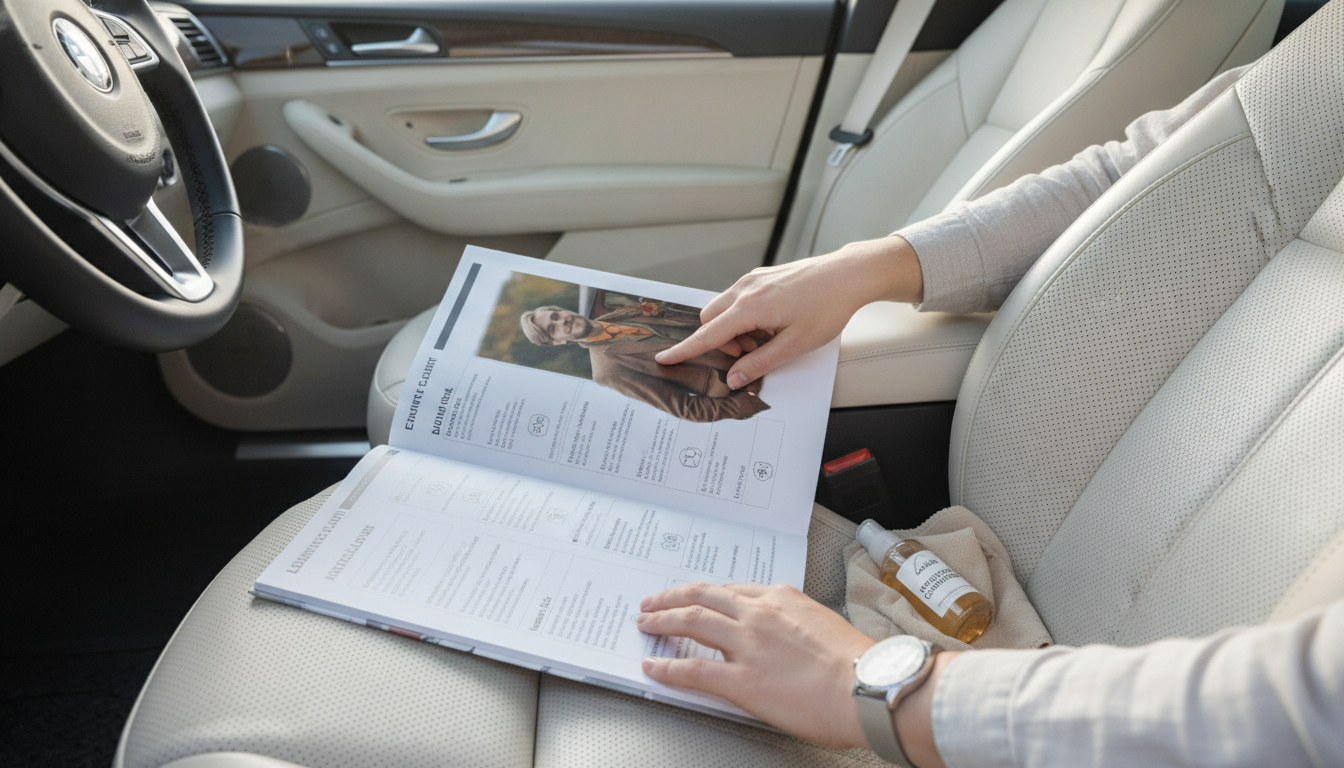
Keep Leather Car Seats Looking Fresh: An Easy Protection Checklist
Leather seats can stay soft, clean, and good-looking for years with a simple routine: remove grit before it grinds in, clean gently, condition sparingly, and block the two biggest enemies—sun and heat. Use the checklist below to build a quick habit that prevents cracks, fading, and that “shiny” worn look.
What damages leather seats most (and what to do about it)
- Grit and dust: Acts like sandpaper, slowly wearing down the finish—especially along seams and creases. Vacuum those areas regularly.
- UV and heat: Dries leather, fades dye, and speeds up cracking. Park in shade when possible, use a sunshade, and consider a UV protectant for high-sun climates.
- Body oils, lotions, sunscreen: Create dark spots and glossy patches on high-touch zones (driver bolster, armrest, headrest). A quick weekly wipe helps a lot.
- Spills and moisture: Can stain and stiffen leather. Blot immediately and avoid soaking the surface during cleaning.
- Harsh chemicals: Household cleaners and strong solvents can strip the protective coating. Stick to pH-balanced leather products.
- Friction points: The driver bolster and seat edge wear fastest. Clean, condition lightly, and reduce abrasion with careful entry/exit (avoid sliding across the bolster).
Common seat issues and quick fixes
| Problem | Likely cause | Fast action | Prevention habit |
|---|---|---|---|
| Shiny, slick look | Oil and dirt buildup | Wipe with damp microfiber; follow with leather cleaner if needed | Weekly wipe-down of steering wheel/bolsters |
| Light cracking | Dryness + UV exposure | Condition lightly; keep out of sun | Monthly conditioning (or as needed) + sunshade |
| Fading | UV damage | Add UV protectant; reduce sun exposure | Tint/sunshade + garage/shade parking |
| Stains (food/coffee) | Absorption into finish or seams | Blot, then gentle cleaner; avoid scrubbing | No eating/drinking rule or seat cover for trips |
| Stiff feel | Over-drying or residue | Clean residue, then condition sparingly | Avoid harsh cleaners; don’t over-apply product |
Weekly quick-clean (10 minutes)
This fast routine prevents most wear because it removes abrasive grit and oily buildup before they become “permanent.” Keep two clean microfiber towels in the car so it’s easy to stay consistent.
- Vacuum first: Use a soft brush attachment and focus on seams, perforations, and seat tracks where grit collects.
- Wipe down: Use a lightly damp microfiber for surface dust, then dry with a second towel to prevent water spots.
- Spot check: Look for new stains on armrests, headrests, and bolsters—handle them immediately while fresh.
- Keep it gentle: Avoid stiff brushes on coated automotive leather; extra friction can dull the topcoat and create premature shine.
- Finish with ventilation: Crack windows briefly or run the fan to reduce lingering moisture after wiping.
Monthly deep clean + conditioning (the safe method)
Monthly care is where seats either stay matte and supple—or slowly turn glossy and worn. The goal is to clean away grime, then add only a thin layer of conditioner (not a heavy “greasy” coat).
- Test first: Apply cleaner/conditioner in an inconspicuous area to confirm no discoloration or residue.
- Use a pH-balanced leather cleaner: Apply to a microfiber or soft applicator (not directly onto the seat) to avoid overspray, saturation, and product pooling along stitching.
- Work small sections: Use gentle circular motions. Use a soft detailing brush only for textured grain or stitching—no aggressive scrubbing.
- Remove residue: Wipe with a clean, slightly damp microfiber, then dry thoroughly.
- Condition lightly: A thin, even layer is better than a heavy coat; too much product can attract dust and create shine.
- Buff to a natural finish: After the absorption time listed on the label, buff with a dry microfiber to keep the seat matte and comfortable.
Protection habits that prevent cracks and fading
Simple checklist by season (print-friendly routine)
Handy printable guide for glovebox maintenance
If you want a ready-to-use printable, this digital download is designed for quick reference and repeatable upkeep: Keep Your Leather Seats Looking Fresh! | Easy Checklist Guide.
To make the routine even easier, store your microfiber towels and gentle cleaner together so you’re never hunting for supplies: Large Capacity Non-Woven Clothes & Quilt Storage Bag Organizer.
Choosing safer products (without overthinking it)
Automotive leather is usually coated, so “stronger” isn’t better. Choose a pH-balanced leather cleaner and a conditioner made for car interiors, and avoid products that feel sticky or leave heavy gloss behind. For general guidance on safer cleaning ingredients, the U.S. Environmental Protection Agency’s Safer Choice program is a helpful reference point. For deeper leather care and chemistry education, the American Leather Chemists Association offers industry resources.
FAQ
How often should leather car seats be conditioned?
Condition about once a month in hot/sunny climates or for daily-driven vehicles, and every 2–3 months for garage-kept cars. If the leather feels dry or looks slightly ashy, use a thin application; if it’s getting shiny or slick, you’re likely over-applying and should reduce frequency and product amount.
Can household cleaners be used on leather seats?
It’s risky—many household cleaners contain alcohol, ammonia, or bleach that can dull or strip the protective coating and accelerate cracking. For emergencies, blot spills with a clean, slightly damp microfiber and follow up with a pH-balanced leather cleaner as soon as possible.
How can dye transfer from jeans be removed from light leather?
Act early: gently clean the area with a leather-safe cleaner on a microfiber towel and avoid aggressive scrubbing that can damage the topcoat. For prevention, be cautious with new dark denim and consider a temporary seat cover until the jeans stop releasing dye.
















Leave a comment