Telescopic Push-Type Tea Infuser: Clean Loose-Leaf Cups
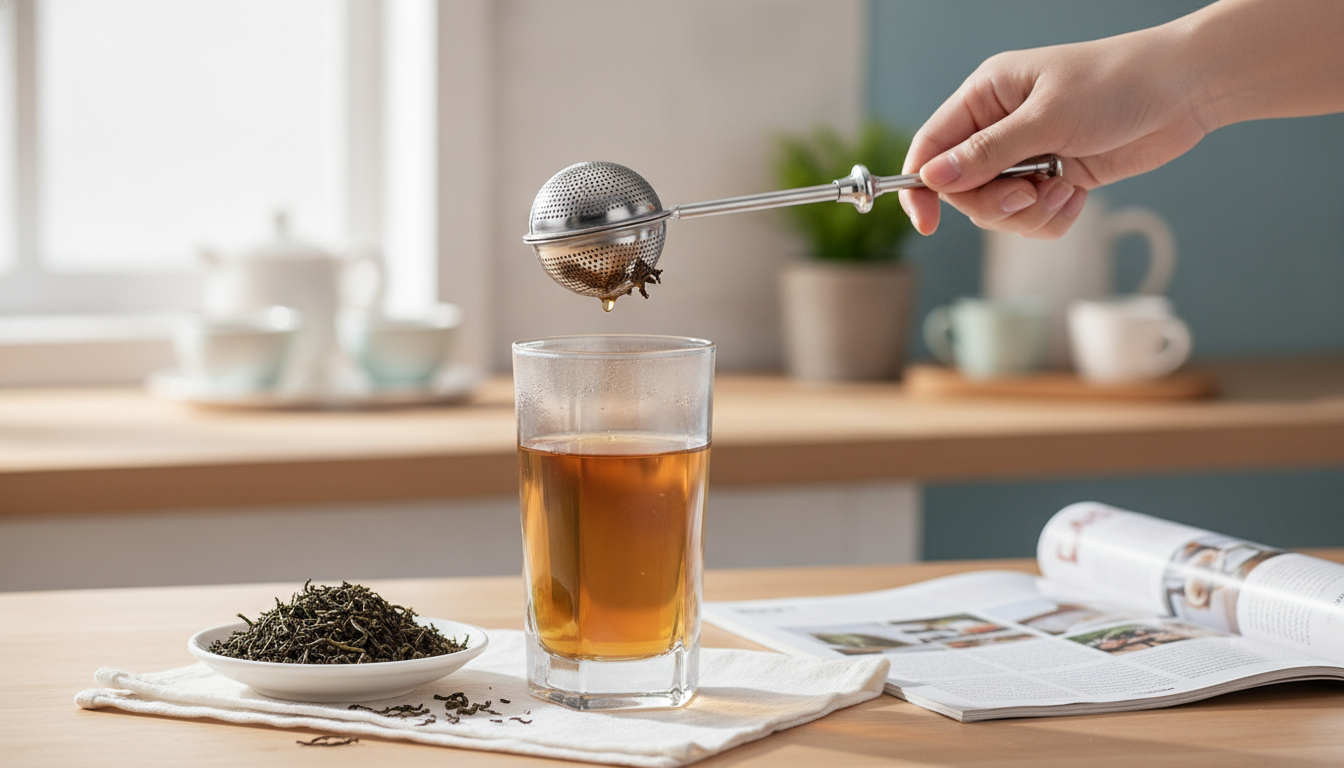
Stainless Steel Telescopic Push-Type Tea Infuser: Simple Loose-Leaf Brewing Anywhere
A telescopic push-type tea infuser makes loose-leaf tea refreshingly straightforward: load the leaves, press to open, steep, then press again to remove—without fishing for a soggy bag or wrangling flimsy mesh. With stainless steel construction, flavors stay clean and the tool is built for everyday brewing at home, the office, or on the road. For more guidance, see Luggage 3 Piece Sets Suitcase Set with Double Spinner Wheels ….
What a telescopic push-type infuser is
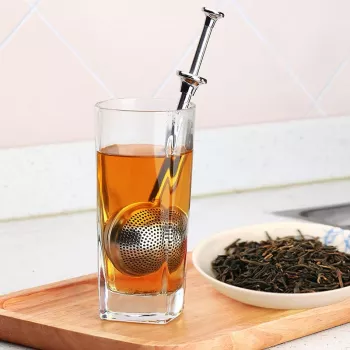
A push-type infuser is a single-serve brewing tool with a handle and a small infusing basket that opens and closes via a press mechanism. The “telescopic” detail means the body extends and retracts, helping it sit more securely in different cup and mug depths. For further reading, see 9903.88.03 – Harmonized Tariff Schedule – USITC.
- Telescopic body: Expands and retracts to open the infusing basket and better fit common cup and mug sizes.
- Push mechanism: Controls opening and closing for quick filling and easy removal after steeping.
- Stainless steel design: Supports repeated use and resists absorbing odors compared with some plastics.
- Best for single-serve loose-leaf: Works well for many tea styles and herbal blends when you want one cup at a time.
At-a-glance features and benefits
If loose-leaf tea feels like “too much setup,” this style of infuser is designed to remove the friction. The goal is fast, clean steeping with minimal cleanup.
- Convenient one-hand operation: Useful when you’re multitasking in the kitchen or at a desk.
- Reusable alternative to disposable tea bags: A practical swap for daily drinkers.
- Contains most leaf particles: Helps deliver a cleaner cup with fewer floaters.
- Portable format: Easy to keep in an office drawer, dorm kit, or travel mug bag.
| Feature | What it means in use | Why it matters |
|---|---|---|
| Stainless steel construction | Metal body and infuser basket | Durability and neutral taste; resists lingering smells |
| Push-to-open basket | Press to open for filling, release/press to close for steeping | Faster loading and removal with less mess |
| Telescopic length | Handle adjusts to mug depth | More stable placement across different cups |
| Fine perforations/mesh | Small holes to contain leaves | Cleaner liquor with fewer particles in the cup |
| Easy-to-clean shape | Simple surfaces and accessible basket | Less buildup and better long-term flavor |
How to use it for a great cup
A few small steps make a noticeable difference—especially with green and oolong teas, where temperature and time can shift the flavor quickly.
- Preheat the mug: Fill with hot water, let it sit briefly, then discard. This keeps steep temperature more stable.
- Load the leaves: Press to open the basket and add tea. A reliable starting point is 1–2 teaspoons per 8 oz (240 ml).
- Pour at the right temperature: Use hotter water for black and many herbals, cooler water for greens to reduce astringency. For general temperature guidance, see the Tea Association of the USA brewing recommendations.
- Steep, then remove: Once time is up, lift out the infuser and set it on a small dish.
- Adjust strength smartly: For stronger tea, increase leaf amount slightly before increasing steep time (over-steeping can create bitterness in some styles).
Best matches by tea type
- Black tea: Robust leaves do well; use near-boiling water and moderate steep times for a full-bodied cup.
- Green tea: Cooler water helps keep flavors fresh and reduces bitterness; avoid long steeps.
- Oolong: Excellent for rolled leaves—give them room to unfurl and consider multiple shorter steeps for layered flavor.
- Herbal blends: Many handle hotter water and longer steeps; great for quick, caffeine-free cups.
- Very fine-cut teas: Some breakfast blends and rooibos “dust” may slip through larger perforations. If that happens, switch to a larger-leaf version or a finer mesh style.
Cleaning and care (stainless steel longevity)
Stainless steel is tough, but flavor is only as fresh as the tool. Keeping it clean prevents old tea oils from dulling your next brew.
- Empty promptly: Discard leaves soon after brewing to reduce staining and odors.
- Rinse well: Warm water rinsing is usually enough; use a soft brush for stubborn bits.
- Remove buildup: For deeper cleaning, soak in warm water with a little baking soda, then rinse thoroughly. (For general baking soda cleaning guidance, see Arm & Hammer’s overview.)
- Dry fully: Dry before storing to minimize water spots.
- Avoid abrasives: Skip harsh scouring pads that can scratch the surface and hold residue.
Common brewing issues and quick fixes
When a push-type infuser is a better choice than other tools
Shop related picks
- Stainless Steel Telescopic Push-Type Tea Infuser — an easy, reusable way to brew loose-leaf by the cup.
- Using AI to Track and Enhance Your Daily Meditation Practice | Digital Download — a simple companion for a calmer tea-and-mindfulness routine.
- Large Capacity Non-Woven Clothes & Quilt Storage Bag Organizer — handy for organizing pantry overflow, mugs, and small kitchen textiles in tight spaces.
FAQ
Will a stainless steel infuser change the taste of tea?
Quality stainless steel is generally flavor-neutral. Rinse before first use and clean regularly so old tea oils don’t linger and affect the taste.
Can it be used for fine teas like rooibos or powdered blends?
Very fine particles can slip through larger perforations. If you notice sediment, try a larger-leaf rooibos, avoid vigorous stirring, or use a finer mesh infuser for dust-like blends.
How much loose-leaf tea should be used per cup?
A practical starting point is 1–2 teaspoons per 8 oz (240 ml). Adjust based on tea type, leaf size (rolled leaves need more room), and how strong you like your cup.












Leave a comment