9L Touchless Smart Sensor Bin for Bathroom & Kitchen
What Makes a Touchless 9L Bin Practical at Home
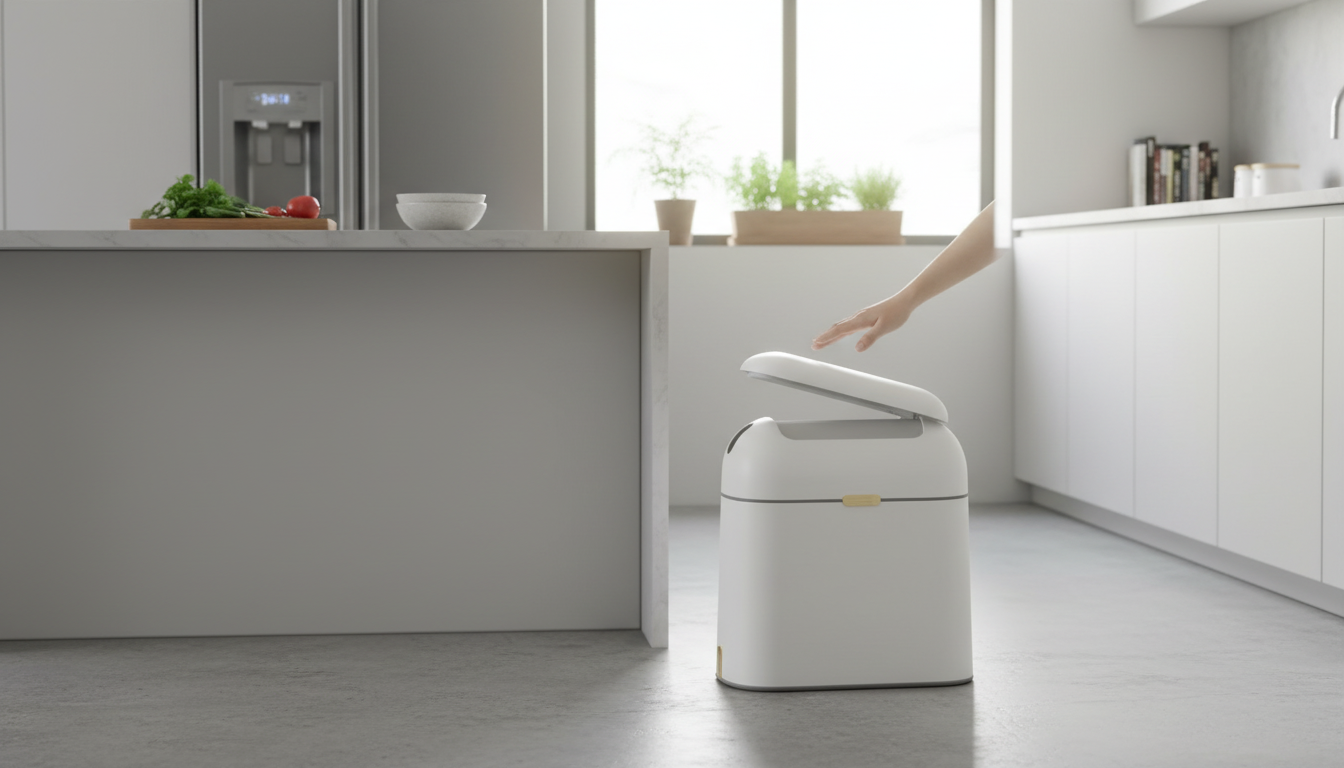
A compact touchless trash can is one of those small upgrades that changes the feel of everyday cleanup. With motion-sensor lid operation, you can toss waste without touching the lid—handy after applying skincare, wiping down a counter, or handling raw ingredients. Reducing contact with high-touch surfaces supports a cleaner routine, especially in shared bathrooms and busy kitchens.
The 9L capacity hits a sweet spot for real-life, small-space use: big enough for daily bathroom waste and quick kitchen tosses, but small enough to fit beside a vanity, next to a toilet, or tucked into a kitchenette corner. It’s a natural fit for cotton pads, tissues, packaging scraps, coffee pods, and light food-prep waste—without dominating the room. A clean, minimal profile also blends into modern interiors, whether it’s placed near a sleek floating vanity or a compact apartment counter.
Key Features to Look For in a Smart Sensor Trash Can
Not all sensor bins feel equally “smart” in day-to-day use. A few practical details make the difference between a bin that’s effortless and one that becomes fussy.
- Responsive motion sensing: A reasonable detection range helps the lid open when you need it—without forcing exaggerated hand waves or repeated attempts.
- Reliable lid closure: A lid that closes consistently helps reduce odor spread, keeps the opening tidy, and can discourage curious pets.
- Easy-to-clean surfaces: Fewer seams and crevices mean less buildup around the rim and lid edges.
- Simpler bag changes: A liner ring (or any design that hides bag edges) keeps the bin looking neat and makes swaps quicker.
- Stable base: A sturdy footprint helps prevent tipping on tile floors or slick bathroom surfaces.
Eco-Friendly Habits This Bin Can Support
“Eco-friendly” is often less about one perfect product and more about the routines it enables. A small, convenient bin can support better waste habits by making the right choice easier in the moment.
- More consistent sorting: Pair a small bin for landfill waste with another container for recyclables so items don’t end up mixed by default. For broader guidance, the U.S. EPA’s recycling basics are a helpful reference: U.S. EPA — Reduce, Reuse, Recycle.
- Less liner waste: Choosing the right-size bags helps prevent doubling up or using oversized liners that bunch and slip.
- Cleaner kitchen workflows: When used alongside a countertop compost pail, a touchless bin can handle non-compostable prep scraps (like stickers or packaging) without creating a mess.
- Fewer unnecessary paper towels: If your hands are messy, you can dispose of waste hands-free and then wash up—an approach that aligns well with everyday hand hygiene practices: CDC — Hand Hygiene Recommendations.
Bathroom vs. Kitchen: Where a 9L Touchless Bin Fits Best
A 9L sensor bin works in both bathrooms and kitchens, but it shines in slightly different ways depending on placement. In bathrooms, it’s a natural home for tissues, cotton swabs, empty toiletry packaging, wipes that should be trashed (not flushed), and cleaning cloths. In kitchens, it’s often best as a secondary bin—near a prep corner, coffee station, or small apartment kitchenette—where you need quick access without trekking to a larger main can.
| Location | Best For | Tips |
|---|---|---|
| Next to bathroom vanity | Tissues, cotton rounds, packaging | Keep a spare liner roll under the sink for quick changes |
| Near toilet | Wipes (trash only), hygiene packaging | Choose a lid-close delay that limits odors |
| Kitchen prep corner | Veg peelings, wrappers, small scraps | Empty daily if food waste is included |
| Coffee bar | Pods, filters, stirrers | Line with a small bag to keep the interior cleaner |
Setup and Daily Use Tips
Small adjustments in setup can make a sensor bin feel smoother and more consistent.
- Place it on a flat surface: Keeping the bin level supports consistent lid alignment and reliable sensor response.
- Use the correct bag size: A snug liner is less likely to slide down into the bin when you toss slightly heavier items.
- Keep the sensor area clear: Avoid placing it directly under hanging towels or near cabinet edges that might trigger false openings.
- In kitchens, avoid steam-heavy zones: Position it away from kettles, rice cookers, or the immediate edge of a dishwasher to reduce accidental triggers.
- Empty before it overfills: Overfilling can prevent a full seal when the lid closes, which can lead to more odors and mess.
Cleaning and Maintenance for Long-Lasting Performance
A touchless bin stays more pleasant to use when it’s cleaned lightly and regularly, rather than only after odors show up.
Product Picks to Complete a Cleaner, More Organized Space
- 9L Smart Sensor Trash Can – Eco-Friendly, Touchless Waste Bin for Bathroom & Kitchen
- Luxury Marble Round Coffee Table with Gold Stainless Steel Base
- Southeast Asian-Inspired Bamboo and Rattan Pendant Chandelier
Is This 9L Smart Sensor Trash Can a Good Match?
FAQ
Will a 9L touchless trash can be big enough for a kitchen?
It’s typically best as a secondary kitchen bin for prep scraps, a coffee station, or small households. If you toss food waste in it, emptying daily helps control odors; larger families usually prefer a bigger main kitchen bin.
How can false lid openings be reduced with a sensor bin?
Place it away from swinging towels, cabinet edges, direct sunlight, and steam-heavy appliances, and make sure it sits level. Keeping the sensor window clean also helps the lid respond more accurately.
What’s the easiest way to keep a bathroom trash can from smelling?
Change liners frequently, wipe the rim where residue collects, and make sure the lid closes fully each time. Avoid letting wet waste sit too long, and use a dry odor absorber like a secured baking soda pouch if needed.













Leave a comment