Solid Wood Cat Tree: Multi-Level Perches & Hideaways
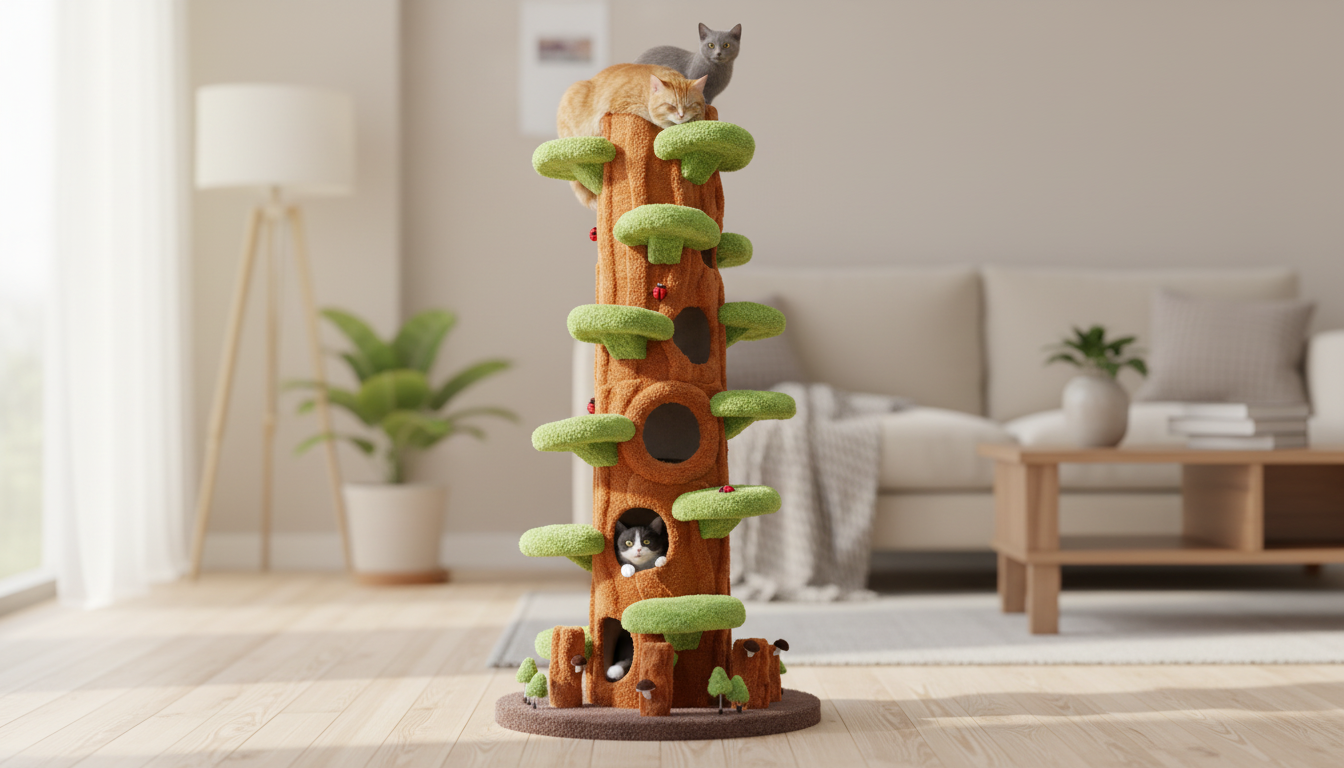
Luxurious Solid Wood Cat Climbing Tree with Multi-Level Platforms and Cozy Hideaways
A premium cat tree can be more than a scratching post—it can become a dedicated vertical “room” for climbing, perching, hiding, and resting while blending into a well-furnished home. This solid wood design focuses on stable multi-level movement and enclosed nooks that support both energetic play and quiet downtime. The result is a cat-friendly centerpiece that looks intentional in the space and gives cats the kind of elevated territory they naturally seek.
What Makes This Cat Climbing Tree Feel Truly Luxurious
Luxury, for cats and humans alike, comes down to stability, comfort, and a look that doesn’t feel like an afterthought. A solid wood cat climbing tree delivers a furniture-grade presence that suits design-forward rooms while providing reliable support for daily use.
- Solid wood construction for a furniture-grade look and a sturdy, grounded feel
- Multi-level platforms that encourage natural climbing and high-perch lounging
- Cozy hideaways that give cats a private, secure retreat when they want to decompress
- A statement piece aesthetic that fits into living rooms, studios, and curated spaces
- Better daily flow: perch, scratch, observe, nap—without competing for the same spot
Vertical space and hiding options are widely recognized as important parts of a cat’s home environment. Helpful references include guidance on environmental needs from International Cat Care and enrichment basics from the ASPCA.
Built for Climbing Confidence: Stability, Weight, and Placement
Even the most beautiful cat tree won’t get used if it feels wobbly. Placement is the quickest way to make a solid wood climbing tree feel “trusted” from day one.
- Place the base on a level surface; avoid thick rugs that can introduce wobble
- Aim for a corner location to reduce side-to-side movement and create a “protected” climbing zone
- Keep a safe buffer from shelves or fragile décor so leaps and swats don’t turn into accidents
- If the home has energetic jumpers, position near a wall so the tree becomes a predictable launch-and-land zone
- For multi-cat homes, choose placement that provides two approach paths so one cat can exit without being blocked
Suggested Placement by Home Layout
| Home setup | Best placement | Why it works |
|---|---|---|
| Apartment living room | Corner near a window | Creates a stable perch with “cat TV” and minimizes wobble |
| Open-plan space | Against a wall with clear landing area | Defines a cat zone without interrupting foot traffic |
| Multi-cat household | Near a wall but not a dead-end | Reduces tension by giving cats more than one route |
| Quiet/nervous cats | Low-traffic corner away from doors | Supports hiding and resting without surprises |
Multi-Level Platforms: How Cats Actually Use Vertical Space
Cats don’t use height randomly—they use it strategically. Multi-level platforms give them options for safety, confidence, and comfort, especially in busy homes.
- Top platforms become lookout points—ideal for cats that like to monitor the room from above
- Mid-level shelves are “rest stops” for climbing and for cats that prefer moderate height
- Lower platforms often become play-and-groom zones, especially for older or less confident cats
- Staggered levels can reduce crowding by giving each cat a preferred height
- Helpful cue: add a soft throw on a favored platform to encourage a calm resting routine
If one cat tends to “claim” the highest perch, the lower and middle tiers become even more valuable. They give other cats a comfortable alternative that still feels social—close enough to observe, far enough to avoid tension.
Cozy Hideaways: Privacy, Stress Relief, and Better Naps
Scratching and Surface Care: Protecting Both the Tree and the Home
Scratching is normal behavior—it’s how cats maintain claws, stretch, and mark territory. Providing appropriate scratching surfaces on the cat tree helps direct that need away from sofas and rugs. For additional context on scratching behavior, the AVMA explains why scratching is a natural and important activity.
Quick Maintenance Rhythm
| Task | How often | What to do |
|---|---|---|
| Spot clean fur | 2–3x per week | Lint roll or vacuum platforms and corners |
| Wipe wood | Weekly | Use a soft cloth; dry fully |
| Check stability | Monthly | Confirm the base sits flat; tighten hardware if present |
| Refresh scent | As needed | Swap blankets or lightly air out hideaways |
Styling Tips: Making a Cat Tree Look Like Intentional Furniture
For a coordinated look, consider pairing wood tones with a storage piece like the Rustic Wood Sideboard to keep treats, brushes, and toys out of sight while keeping the corner visually balanced.
Product Snapshot and When It’s the Right Choice
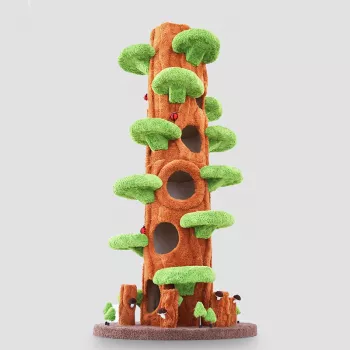
Direct product page: Luxurious Solid Wood Cat Climbing Tree with Multi-Level Platforms and Cozy Hideaways
At-a-Glance
| Detail | Info |
|---|---|
| Price | 1550.95 USD |
| Availability | In stock |
| Theme | Solid wood, multi-level platforms, cozy hideaways |
| Best use | Climb, perch, hide, rest |
Complementary pieces (optional for a cohesive room)
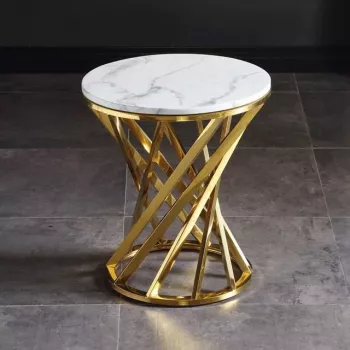
- Luxury Marble Round Coffee Table with Gold Stainless Steel Base for a polished, design-forward living area
- Southeast Asian-Inspired Bamboo and Rattan Pendant Chandelier to add warm texture and soften the “cat corner” visually
FAQ
How many cats can use a multi-level cat tree comfortably?
It depends on how many platforms and hideaways are available and whether the cats share space easily. Watch for resource guarding (blocking access or chasing), and add a second resting spot if crowding starts to show up.
Where should a cat tree be placed for the most use?
A stable corner near a window is usually the most popular because it offers a secure perch and an engaging view. For shy cats, choose a quieter corner away from heavy traffic and keep safe clearance from fragile décor.
How do cats learn to use hideaways and platforms?
Introduce the tree gradually with treats, toys, or a familiar blanket placed in the hideaway, and reward calm exploration. Some cats claim the highest perch first, while others prefer the enclosed nook until they feel confident.














Leave a comment