Kid-Friendly Camping Telescope with Tripod: Quick, Clear Views
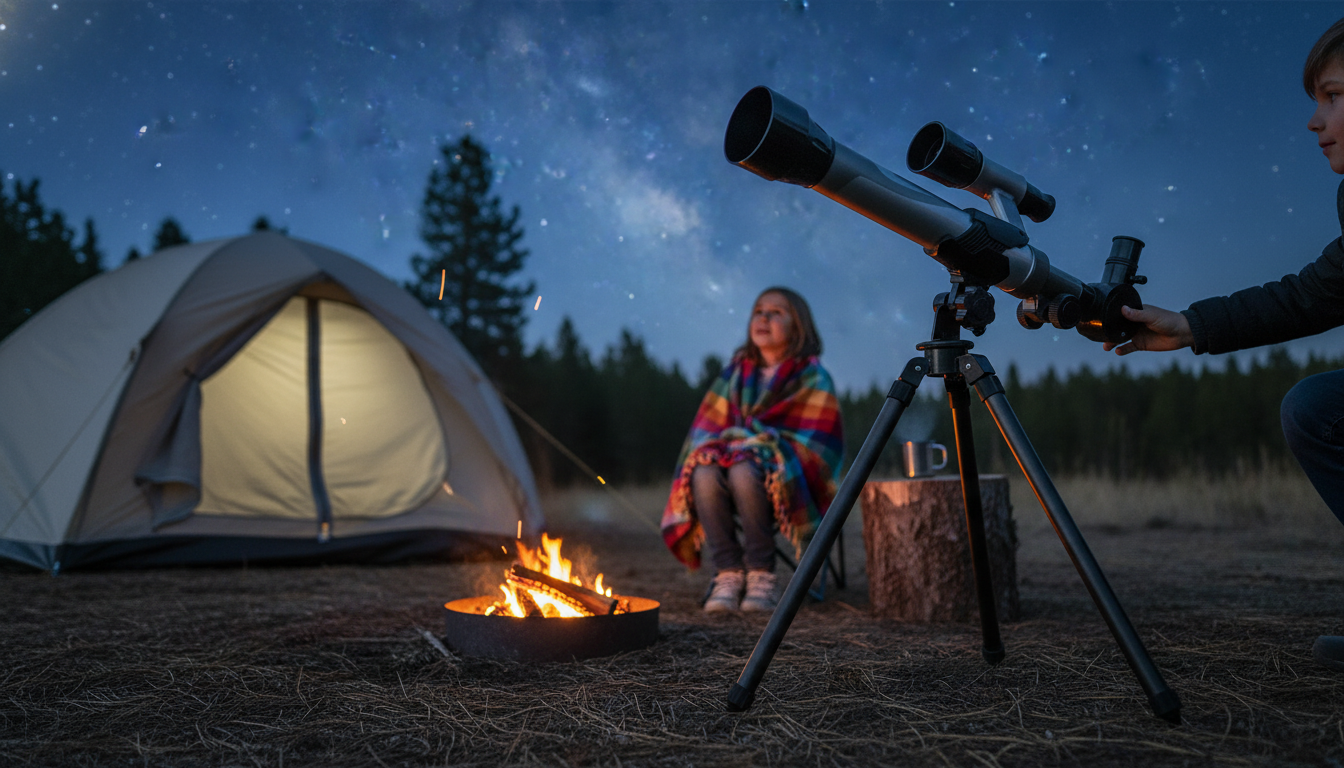
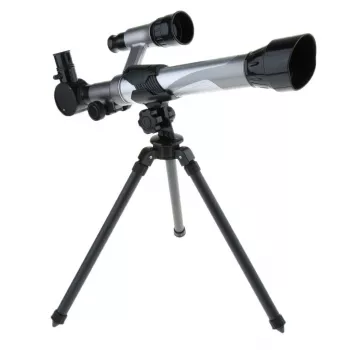
Portable High-Precision Telescope for Camping and Astronomy with Tripod – Ideal for Children & Beginners
A beginner-friendly telescope can turn a campsite into a front-row seat for the Moon, bright planets, and daytime landscapes. The goal is simple: quick setup, steady viewing, and easy controls that help children and first-timers get clear views without frustration. Below is a practical guide to what matters most in a portable telescope with tripod, a kid-friendly campsite setup routine, and the best “first night” targets for fast success.
What Makes a Good Camping Telescope for Beginners
Camping-friendly astronomy gear should feel easy to bring along and even easier to use once you arrive. Beginners tend to have the best experience with a setup that prioritizes stability and straightforward controls over extra features.
- Portability first: A lightweight scope body, compact tripod, and carry-friendly design make it more likely you’ll actually pack it for a weekend trip.
- Stable viewing: A tripod that locks firmly reduces shake, especially when you zoom in on lunar craters or a planet.
- Simple aiming: Smooth up/down and left/right movement (altitude/azimuth) helps kids track the Moon without “fighting” the mount.
- Easy focusing: A focus knob that turns smoothly and precisely makes sharp images easier to achieve.
- Beginner success targets: Bright objects—Moon detail, Jupiter’s moons, Saturn’s rings, and star clusters—look impressive even with modest optics.
Quick Setup at the Campsite (Kid-Friendly Routine)
A predictable routine helps children learn the basics quickly. The first setup is where most frustration happens, so a few small habits make a big difference.
- Choose a spot: Set up on firm ground away from foot traffic. Avoid placing the tripod on a picnic table if it wobbles. Keep clear of campfire heat shimmer, which can blur views.
- Level and lock: Spread tripod legs wide, tighten clamps, and keep the center column low for stability.
- Mount and balance: Attach the telescope securely and check that knobs/clamps are snug before kids take a turn.
- Align the finder in daylight: Point at a distant target (like a sign or treetop) and match the finder to the main view. Nighttime aiming becomes far easier.
- Start with low power: Use the lowest magnification eyepiece first, then increase only after the target is centered and focused.
Practical Tips for Clearer Views Outdoors
Outdoor viewing introduces variables you don’t notice indoors—temperature swings, breeze, and stray light. These quick tweaks help the image “snap” into focus more reliably.
- Reduce shake: Keep one tripod leg pointed toward the target, use a gentle touch, and refocus after the view settles.
- Let optics acclimate: If the telescope comes from a warm car into cool night air, give it time to reach outdoor temperature for sharper images.
- Use realistic magnification: More zoom isn’t always better. Atmospheric turbulence often limits how crisp planets will look.
- Control stray light: Stand so your body blocks nearby lanterns, or use a hooded jacket to shield the eyepiece and improve contrast.
- Comfort matters: Set the tripod height so children can look through the eyepiece without tiptoeing. A steady stance improves focus and tracking.
What to Look For in Optics and Tripod (Without Overcomplicating It)
You don’t need to memorize technical specs to choose a good beginner telescope. Focus on a few fundamentals that affect how easy it is to find and enjoy targets at camp.
| Feature | Why it helps | What to do at camp |
|---|---|---|
| Stable tripod | Less shaking at the eyepiece | Keep legs wide; tighten all clamps |
| Low-power eyepiece | Wider view makes targets easier to find | Start low power, then increase gradually |
| Smooth mount movement | Easier tracking for kids | Use gentle motions; re-center often |
| Accurate finder alignment | Faster target acquisition at night | Align in daylight on a distant landmark |
| Good light control | Better contrast and detail | Shield stray light with your body or hood |
Best First Targets for Children and First-Time Stargazers
For more target ideas and seasonal highlights, explore observing guides from Sky & Telescope. If you’re planning a trip around darker skies, the International Dark-Sky Association is a helpful resource for understanding light pollution and dark-sky locations.
Care, Storage, and Safe Use for Young Observers
For age-appropriate space learning and planet facts that pair well with observing, visit NASA’s Solar System Exploration.
A Portable Option to Consider
- Portable High-Precision Telescope for Camping and Astronomy with Tripod – Ideal for Children & Beginners
- Trendy Fashion Top Handle Leather Shoulder Bag (a handy way to keep small accessories together while traveling)
- Nike Women’s White T-Shirt with Round Neck and Short Sleeves (easy layering for cool night observing)
FAQ
Is a camping telescope easy for children to use?
It can be, as long as the tripod is stable, the mount moves smoothly, and you start with a low-power eyepiece. An adult should do the initial setup and finder alignment, then let kids practice aiming and focusing on a distant object in daylight.
What can beginners realistically see with a portable telescope at night?
Beginners can reliably see detailed Moon craters, Jupiter and its four bright moons, and Saturn’s rings on steady nights. Bright star clusters are also great; faint galaxies and nebulae depend heavily on darker skies and the telescope’s aperture.
How do you stop the view from shaking when focusing?
Lower the tripod height, spread the legs wider, and tighten every clamp and knob. Use a light touch on the focus knob and wait a second for vibrations to settle, especially at higher magnification.













Leave a comment