Brake-Sensing Smart Bike Taillight: High-Visibility LED
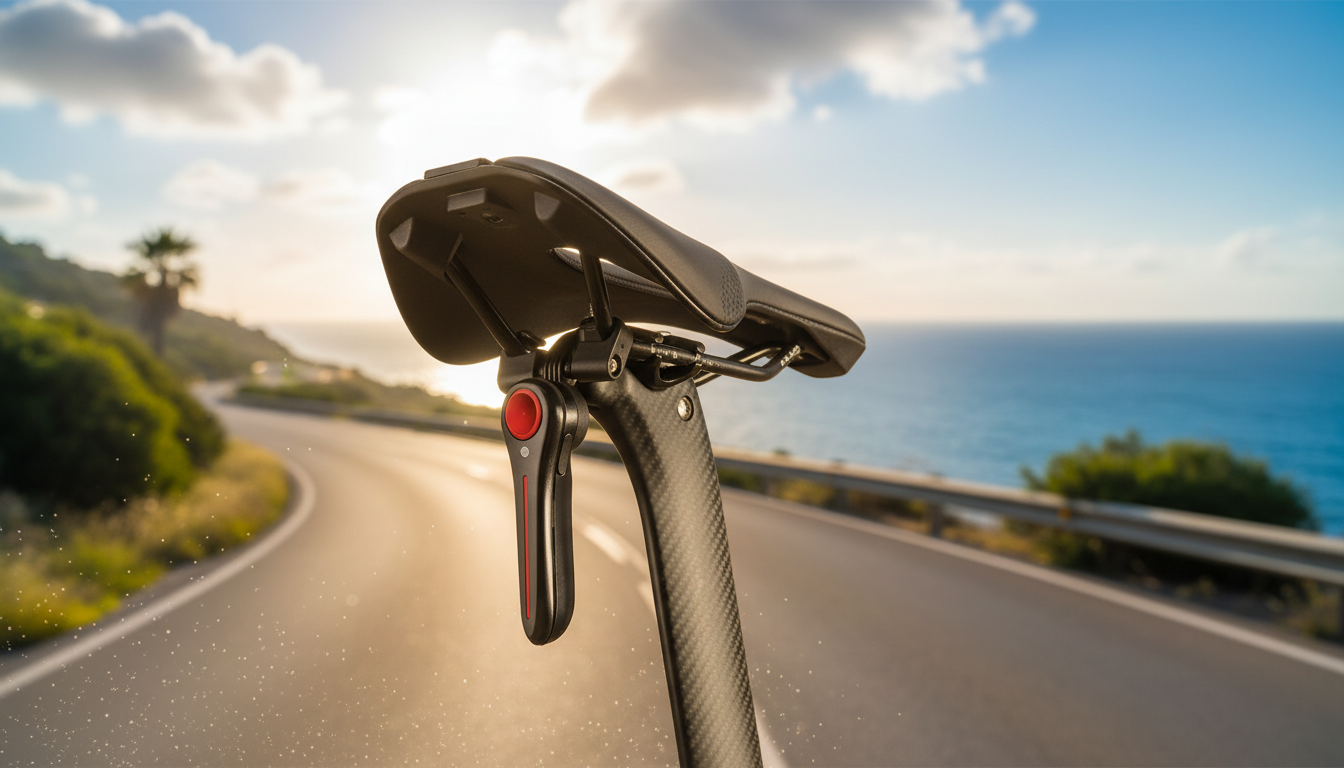
Smart Bike Taillight with Brake Sensor and High-Visibility LED: Safer Riding Day and Night
A bright rear light is one of the simplest upgrades for safer riding, but not all taillights communicate what matters most: when speed drops. A smart taillight with a brake sensor adds an attention-grabbing cue for drivers and riders behind, while high-visibility LEDs improve recognition in low light, rain, and busy streets. For everyday commutes, shared paths, and fitness rides, that extra layer of “I’m slowing” communication can make following traffic react sooner and more smoothly.
What a Smart Brake-Sensing Taillight Does
A brake-sensing taillight uses onboard motion sensing to detect deceleration and respond with a stronger brake-alert pattern. Instead of relying only on a constant glow or a generic blink, the light changes behavior when speed drops—helping others behind understand that a slowdown is happening right now.
- Uses motion sensing to detect deceleration and trigger a stronger brake-alert flash pattern.
- Improves communication to traffic behind when slowing for turns, stops, or obstacles.
- Helps in group rides by reducing surprise braking and accordion effects.
- High-visibility LEDs support daytime recognition and nighttime conspicuity.
These benefits pair well with the basics of bicycle safety guidance from organizations like NHTSA and the CPSC, where visibility and predictable riding behavior are recurring themes.
Key Features to Look For Before Buying
Not all brake-sensing rear lights perform the same once they’re exposed to potholes, uneven pavement, stop-and-go traffic, and weather. Use the checklist below to compare options quickly and focus on the features that affect real-world visibility and reliability.
- Brake detection: consistent triggering during real-world slowing (not just hard stops).
- LED brightness and optics: wide-angle visibility matters as much as raw output.
- Modes: steady, flash, and attention patterns for different road and trail conditions.
- Battery and charging: USB charging, runtime across modes, and low-battery indication.
- Mounting: secure attachment to seatpost/saddle rails; quick removal helps prevent theft.
- Weather resistance: seals and port covers to handle rain and road spray.
Quick checklist for choosing a rear light
| Feature | Why it matters | What to verify |
|---|---|---|
| Brake sensor | Signals slowing even before stopping | Brake-alert triggers during normal deceleration |
| High-visibility LED + optics | Improves detection from distance and angles | Wide viewing angle; distinct pattern |
| Runtime | Reduces risk of riding unlit | Expected hours per mode; recharge time |
| Charging | Convenient top-ups | USB charging; covered port |
| Mount security | Prevents slipping on rough roads | Stable strap/clamp; anti-rotation design |
| Weather resistance | Reliability in rain | Rated or described as water-resistant |
When Brake Alerts Make the Biggest Difference
Brake-alert patterns don’t replace safe riding habits, but they can reduce the “surprise factor” in the moments where rear visibility and quick comprehension matter most.
- Urban commutes: frequent slowdowns at lights, crosswalks, and turning traffic.
- Mixed-use paths: pedestrians and other cyclists require earlier, clearer cues.
- Group rides: smoother pacing and fewer sudden brakes when riders behind get an immediate signal.
- Low-contrast conditions: dusk, fog, drizzle, and shaded streets where taillights need to stand out.
For a deeper look at how and when to use bike lighting, the League of American Bicyclists offers practical guidance that complements a good rear light setup.
Setup Tips for Maximum Visibility
Even the brightest taillight can underperform if it’s blocked by a jacket hem or aimed at the pavement. A few small adjustments can improve how quickly drivers and riders behind notice you.
- Mount height: place as high and unobstructed as possible (avoid jackets, saddle bags, or racks blocking the beam).
- Aim: keep the light level and pointed straight back; avoid tilting down toward the road.
- Mode choice: use a brighter attention mode in daylight; consider steady or a less-distracting flash at night depending on local rules and comfort.
- Redundancy: for long rides, consider a secondary rear reflector or backup light for extra assurance.
- Charging routine: top off before commutes; treat the rear light like a helmet—don’t leave without it.
Care, Maintenance, and Reliability
Rear lights live in the worst part of the spray zone, so quick maintenance checks can preserve brightness and prevent failures when conditions get messy.
Recommended Picks Available Now
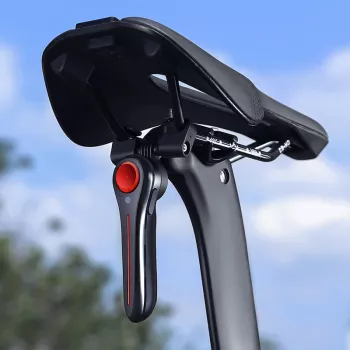
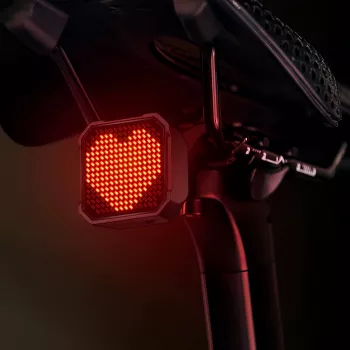
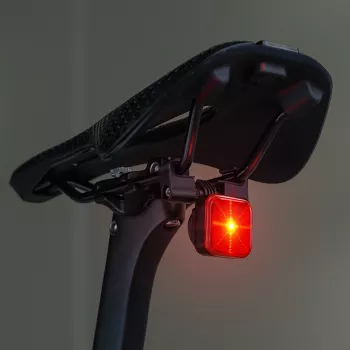
For a straightforward safety upgrade, Smart Bike Taillight with Brake Sensor and High-Visibility LED is a compact option designed to improve rear visibility with a bright LED and a brake-sensing alert. It fits well for commuting, fitness rides, and shared paths where clear slowing signals help others react sooner.
- Large Capacity Non-Woven Clothes & Quilt Storage Bag Organizer (helpful for keeping spare layers, gloves, and rain gear together).
- Using AI to Track and Enhance Your Daily Meditation Practice (Digital Download) (a simple way to support recovery and consistency off the bike).
Product at a glance
| Item | Details |
|---|---|
| Product | Smart Bike Taillight with Brake Sensor and High-Visibility LED |
| Price | 26.67 USD |
| Availability | In stock |
| Product page | https://happyproductsmarket.shop/smart-bike-taillight-with-brake-sensor-and-high-visibility-led/ |
FAQ
Do brake-sensing taillights work on all bikes?
Most brake-sensing taillights work on virtually any bicycle because they detect deceleration rather than connecting to a brake cable or lever. For best accuracy, mount the light in the correct orientation and keep it firmly secured so it doesn’t shift on rough roads.
Is flashing mode better than steady at night?
It depends on conditions and local rules. Steady mode can make it easier for others to judge distance and closing speed at night, while certain flash patterns can improve attention—choose a mode that’s clearly visible without being distracting or blinding.
Where should a rear light be mounted for best results?
Mount it high and unobstructed on the seatpost or saddle area, aimed straight back. Avoid positions where bags, racks, or clothing can block the light, and re-check alignment after bumps or transport.













Leave a comment