Double-Head Cable Combo Lock: Flexible Bike & Motorcycle
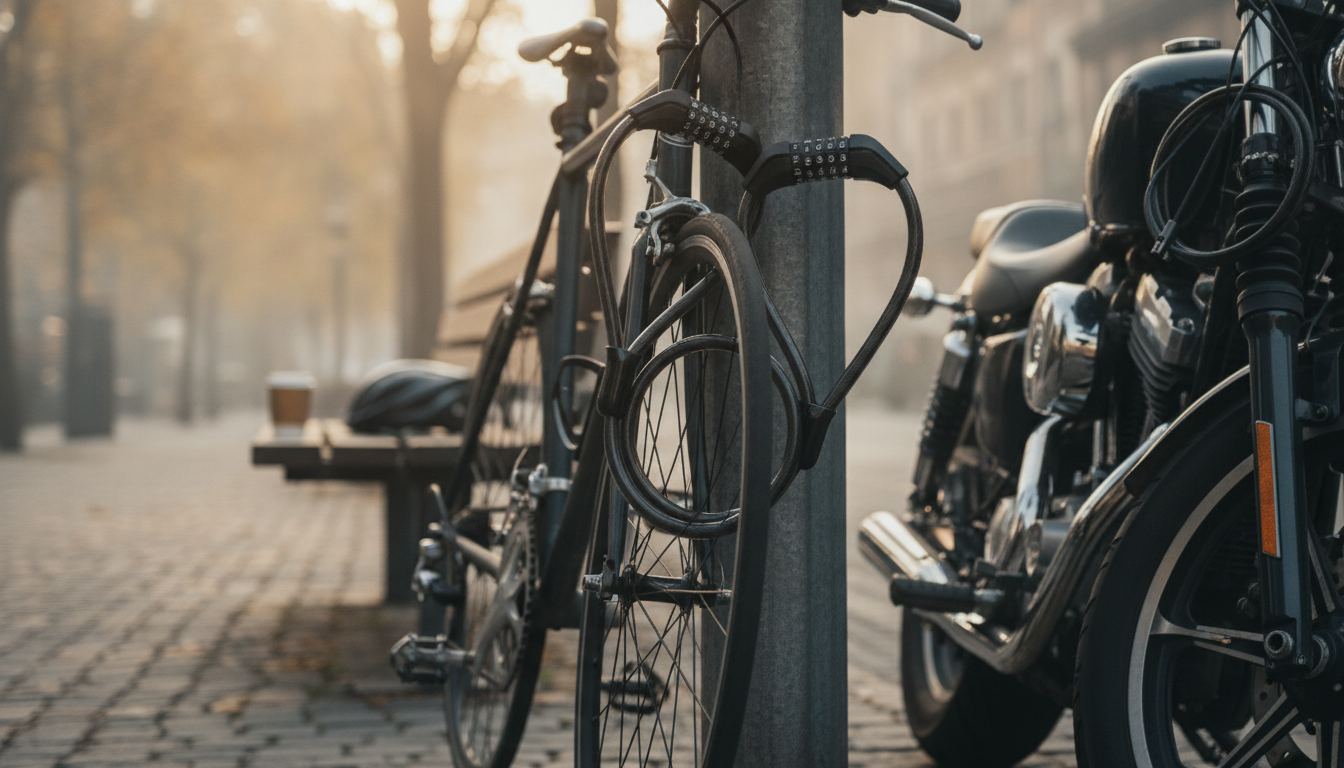
Double-Headed Combination Steel Cable Lock for Bikes and Motorcycles
A double-headed combination steel cable lock adds flexibility for locking a bike or motorcycle to fixed objects while keeping access simple—no keys to lose or duplicate. The two-head format makes it easier to route the cable around awkward racks, wide posts, frames, and wheels, while a resettable combination keeps daily use fast. Below is a practical guide to how the double-head design works, which build details matter most, and how to lock up for better real-world protection.
What a double-headed cable lock changes
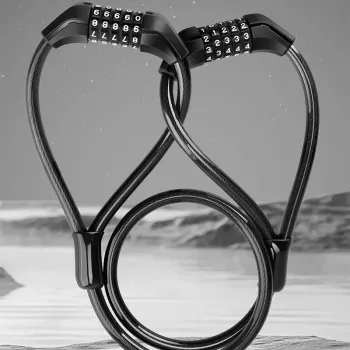
The biggest advantage of a double-headed cable lock is routing freedom. With two locking heads, you can run the cable through or around multiple parts and still end up with a clean, secure finish on both ends.
- Two locking heads allow more ways to route the cable around frames, wheels, and anchor points, especially when racks are oddly shaped or spaced.
- Combination access avoids key management while still supporting repeatable daily locking for commuting and errands.
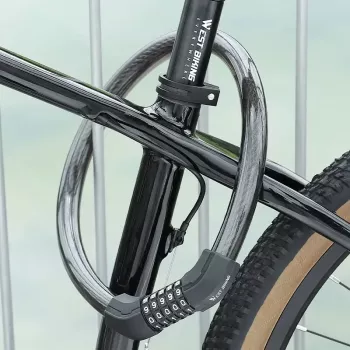
- Longer reach can help secure multiple components (frame + wheel) or even link two bikes together briefly.
- Best use case: quick stops, short errands, and lower-to-moderate risk environments when used with good technique.
Materials and construction that matter
Cable locks vary widely in how they hold up to daily wear and opportunistic attacks. A few construction details tend to make the difference between a lock that stays smooth and one that becomes frustrating or unreliable.
- Steel cable core: thicker, tighter-wound cable generally resists casual cutting attempts better than thin, loosely braided cable.
- Protective outer coating: a quality sleeve helps reduce frame scratches and slows corrosion from moisture, salt, and road grime.
- Lock head durability: look for solid housings that resist prying and tolerate repeated handling, drops, and vibration.
- Combination dials: clear numbering and firm dial “clicks” reduce mis-sets, especially with gloves, cold hands, or low light.
Everyday security: what cable locks do well (and where they don’t)
A steel cable lock is primarily a convenience-and-deterrence tool. Used smartly, it discourages quick “walk-off” theft and secures accessories. It is not the same as a hardened U-lock or a high-grade chain designed for high-risk parking.
- Where it shines: visible deterrence for opportunistic theft when paired with good locking habits and smart parking choices.
- Where it’s weaker: less resistance to dedicated cutting attacks than hardened U-locks or heavy chains.
- Great as a secondary lock: secure a front wheel, helmet, jacket, or luggage in addition to a primary lock.
- Keep it tight: security improves when the cable stays short and snug with minimal slack.
For a deeper overview of security ratings and how locks are tested, see Sold Secure. Practical theft-prevention habits are also summarized well by BikeIndex.
How to lock a bike or motorcycle for better real-world protection
Technique matters as much as the lock type. A cable lock that’s routed tightly, kept off the ground, and anchored properly can outperform a stronger lock used carelessly.
- Choose a solid anchor: fixed racks, thick metal posts, or ground anchors; avoid small signposts that can be lifted out.
- Lock the highest-value parts: for bikes, prioritize the frame + rear wheel; for motorcycles, prioritize the frame or a wheel to an immovable object.
- Route for minimal slack: a tight cable is harder to position for cutting and reduces leverage.
- Keep the lock off the ground: this helps prevent tools from bracing on the pavement and limits leverage.
- Pick smart parking: visible, well-lit areas are safer; if possible, vary parking locations to avoid predictable patterns.
Combination setup and day-to-day use tips
Combination locks are easiest when the numbers are simple to remember but hard to guess. A few habits also help keep the mechanism smooth.
Cable lock options compared
| Lock type | Best for | Main advantage | Main limitation |
|---|---|---|---|
| Double-headed steel cable combination lock | Errands, commuting stops, accessory security | Flexible routing; no keys | Lower cut resistance than hardened locks |
| U-lock (hardened) | High-risk areas, longer parking | High resistance to cutting and prying | Less flexible fit; can be bulky |
| Chain lock (hardened) | Motorcycles, high-risk areas, overnight parking (with correct grade) | Strong and versatile; good anchor compatibility | Heavy; more expensive when high grade |
| Folding lock | Commuting with moderate risk | Compact; more rigid than cable | Joint areas can be attack points; fit varies |
Care and maintenance for longer service life
When this lock is a great fit
Product page
Check current pricing, availability, and details for the Double-Headed Combination Steel Cable Lock for Bikes and Motorcycles.
More in-stock picks
- Large Capacity Non-Woven Clothes & Quilt Storage Bag Organizer (handy for storing riding gear at home or in the garage)
- Using AI to Track and Enhance Your Daily Meditation Practice (digital download)
FAQ
Is a cable lock enough for a motorcycle?
It can be enough for quick stops in lower-risk areas, especially for securing a helmet or luggage. For longer parking or higher-risk locations, pair a cable with a hardened chain or U-lock and always use a solid, immovable anchor.
How do double-headed cable locks work?
You route the cable around the motorcycle or bike and a fixed anchor, then secure the cable ends into the two locking heads using your combination. This creates flexible locking paths that can better accommodate wide posts, racks, and multiple components.
What should be locked on a bike first: the wheel or the frame?
Prioritize locking the frame and rear wheel to an immovable object. Keep the cable as tight as possible and position the lock off the ground to reduce leverage and make cutting harder.












Leave a comment