Chesterfield Sofas in 2026: Still Stylish or Dated?
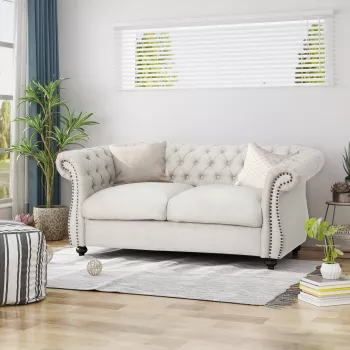
Are Chesterfield sofas still in style?
Yes—Chesterfield sofas are still in style, and they’ve moved far beyond the “old library” stereotype. The signature details (deep tufting, rolled arms, and a tailored profile) continue to read as classic, while today’s versions fit comfortably into modern, transitional, industrial, and even minimalist spaces.
What keeps the Chesterfield current is how easily it adapts. A traditional leather Chesterfield brings warmth and heritage to a room, especially when paired with clean-lined tables and modern lighting. A fabric Chesterfield—think velvet, performance upholstery, or lighter neutrals—softens the look and works well in apartments and contemporary living rooms. Slimmer arms, higher legs, and more compact frames also help the style feel fresh rather than heavy.
What makes a Chesterfield look “modern” today?
Modern Chesterfields tend to have a lighter visual footprint. Look for a two-seater or apartment-size silhouette, narrower rolled arms, a seat that’s not overly deep, and legs that lift the body off the floor. Upholstery matters, too: matte leather, textured weaves, boucle-like fabrics, and rich velvets can all update the vibe without losing the iconic form.
If you’re shopping for a space-conscious option that still feels elevated, a compact two-seater Chesterfield can deliver that polished, curated look without dominating the room. For ideas on what to look for—size, comfort, and styling—see this modern Chesterfield two-seater sofa guide.
How to style a Chesterfield so it doesn’t feel dated
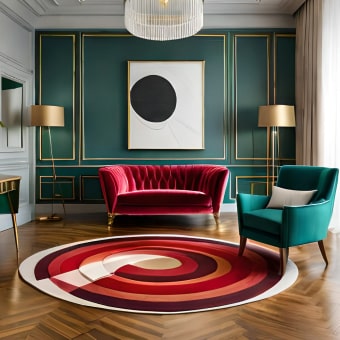
Balance is the key. Pair the sofa with streamlined accent chairs, simple curtains, and a contemporary rug pattern. Mix materials—metal, glass, light wood—to offset the traditional tufting. Keep throw pillows intentional (two to four max) and choose solid colors or subtle textures to maintain a tailored look.
FAQ
What’s the difference between a Chesterfield and a tufted sofa?
A Chesterfield typically combines deep button tufting with rolled arms that sit at the same height as the back. A tufted sofa may have buttoning on the back or seat but can come in many silhouettes that aren’t Chesterfield-specific.










Leave a comment