Stress-Free Weeknight Dinner Routine for Busy Families
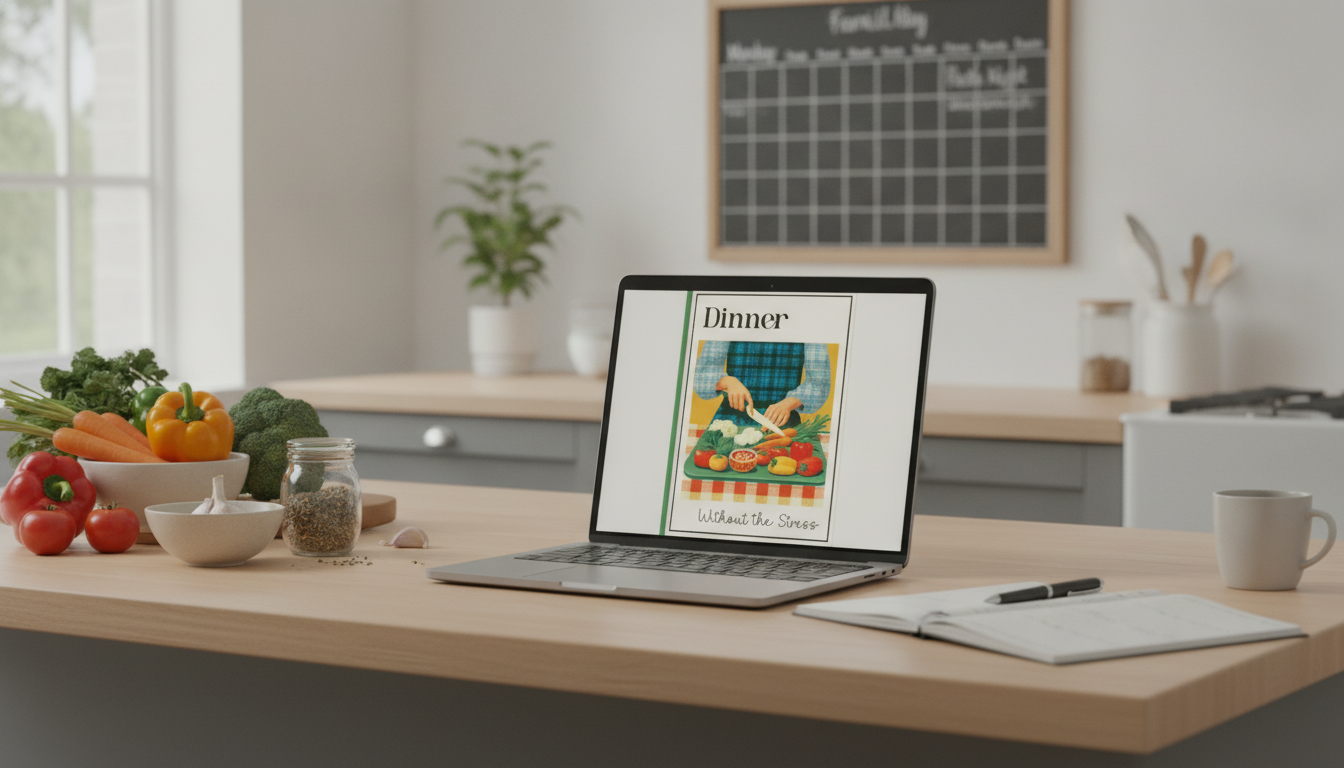
Dinner Without the Stress: A Simple Routine for Calm, Consistent Weeknights
A dependable dinner routine removes daily decision fatigue, keeps groceries under control, and makes weeknights feel lighter—without requiring complicated recipes or perfect planning. The goal isn’t to cook like a pro every night; it’s to rely on a few repeatable steps that work even when meetings run late, kids are hungry early, or energy is low.
Why Dinner Planning Feels So Hard After a Long Day
Weeknight dinner feels uniquely stressful because it lands at the exact moment willpower is lowest and schedules collide.
- Decision fatigue: When you’ve made hundreds of choices all day, even “What should we eat?” can feel heavy.
- Hidden tasks: Planning isn’t just picking a recipe. It’s checking what you have, timing prep, making space on the counter, and thinking about cleanup.
- Time fragmentation: Work, pickups, homework, and chores create small gaps that are hard to use effectively.
- The stress loop: Last-minute choices lead to rushed shopping or takeout, which makes tomorrow harder (less food prepped, more spending, more frustration).
Once dinner stops being a nightly improvisation, the whole evening tends to smooth out—especially when the plan includes “good enough” fallbacks.
Build a “Default Dinner System” (So You Don’t Start From Scratch)
A default system isn’t a rigid menu; it’s a small set of templates that you can repeat with different flavors. Instead of asking “What should we make?”, you ask “Which template fits tonight?”
Start with 3–5 reliable dinner templates
Choose formats that match your real life (time, skills, cookware, and preferences). Here are templates that keep planning fast and flexible:
| Template | Core ingredients | Typical time | Why it helps |
|---|---|---|---|
| Sheet-pan | Protein + sturdy veg + seasoning | 25–40 min | One pan, minimal cleanup, easy to repeat with new flavors |
| Bowls/Tacos | Base + protein + toppings | 15–30 min | Mix-and-match components; great for picky eaters |
| Pasta + Add-ons | Pasta + sauce + protein/veg | 15–25 min | Fast, pantry-friendly, flexible portions |
| Stir-fry | Frozen veg + protein + sauce | 15–20 min | Uses freezer staples; quick cooking |
| Soup/Chili | Broth/beans + veg + seasoning | 25–60 min | Big batch for leftovers; low effort once simmering |
Add light structure to the week
Structure reduces nightly negotiation. A simple rhythm might look like: two fast nights, one leftovers night, one freezer/flexible night, and one “fun” night. Theme nights are optional, but they can help (taco Tuesday, pasta Thursday) if your household likes predictability.
Define your minimum standard for tough days
Decide in advance what “counts” when the day is chaotic: a 15-minute meal, breakfast-for-dinner, or a pantry dinner. This single decision prevents takeout panic and keeps you consistent even during rough weeks.
Keep an “always works” list
Have a short list of meals everyone will accept. It doesn’t have to be exciting—it has to be dependable. You can build variety by changing sauces, toppings, and sides while keeping the base familiar.
The 20-Minute Weekly Planning Ritual
Planning works best when it’s short, scheduled, and repeatable. Pick a consistent time (Sunday evening, Monday morning, or whenever your calendar is calm) and set a timer for 20 minutes.
- Check inventory: Look in the fridge, freezer, and pantry. Write down “use first” foods (greens, leftover rice, thawing meat) so they get used before they expire.
- Select 4–5 dinners: Choose from your templates and schedule one leftovers night by default.
- Match dinners to your real calendar: Put the easiest dinners on late-meeting nights and save longer meals for calmer days.
- Write a tight shopping list: Organize it by store sections (produce, proteins, pantry, dairy) to reduce wandering and impulse buys.
For balanced meals, it helps to think in simple building blocks—protein, fiber-rich carbs, and fruits/vegetables. If you want quick nutrition guardrails, use USDA MyPlate, the Harvard Nutrition Source, or the American Heart Association healthy eating guidance.
Make Dinner Happen With Micro-Prep (Not Marathon Meal Prep)
Micro-prep is the “small hinges swing big doors” approach. Instead of spending half a Sunday cooking, you do tiny tasks that make weeknights smoother.
Stress-Proof the Routine for Kids, Partners, and Busy Adults
A Simple Shopping Strategy That Cuts Down Weeknight Chaos
A Practical Next Step: Follow a Ready-Made Dinner Routine Plan
- Dinner Without the Stress digital guide (digital download): a step-by-step routine built around templates, weekly rhythms, and realistic backup options.
- Using AI to Track and Enhance Your Daily Meditation Practice: a helpful companion for building calmer evenings by strengthening a simple mindfulness habit.
If home organization is part of what makes weeknights feel chaotic, having a place for “dinner-related clutter” helps too (extra napkins, lunch containers, off-season linens). Consider a practical storage option like the Large Capacity Non-Woven Clothes & Quilt Storage Bag Organizer to reduce visual noise in closets or pantry-adjacent spaces.
FAQ
How many dinners should be planned each week to stay flexible?
Plan 4–5 dinners, schedule one leftovers night, and keep 1–2 backup options (freezer or pantry) for days when plans change. This gives structure without making the week feel locked in.
What if there’s no time to meal prep?
Use micro-prep in 5–10 minute bursts—wash greens, chop one versatile vegetable, or mix a quick sauce. Lean on frozen vegetables and pantry staples so dinner still comes together fast.
How can dinner planning work with picky eaters or different preferences?
Rely on modular meals like tacos or bowls, set out a simple toppings bar, and include one “safe” side. Rotate a short list of reliable favorites while adding variety through sauces and seasonings.
















Leave a comment