One-In, One-Out Kitchen Rule for Clear Counters
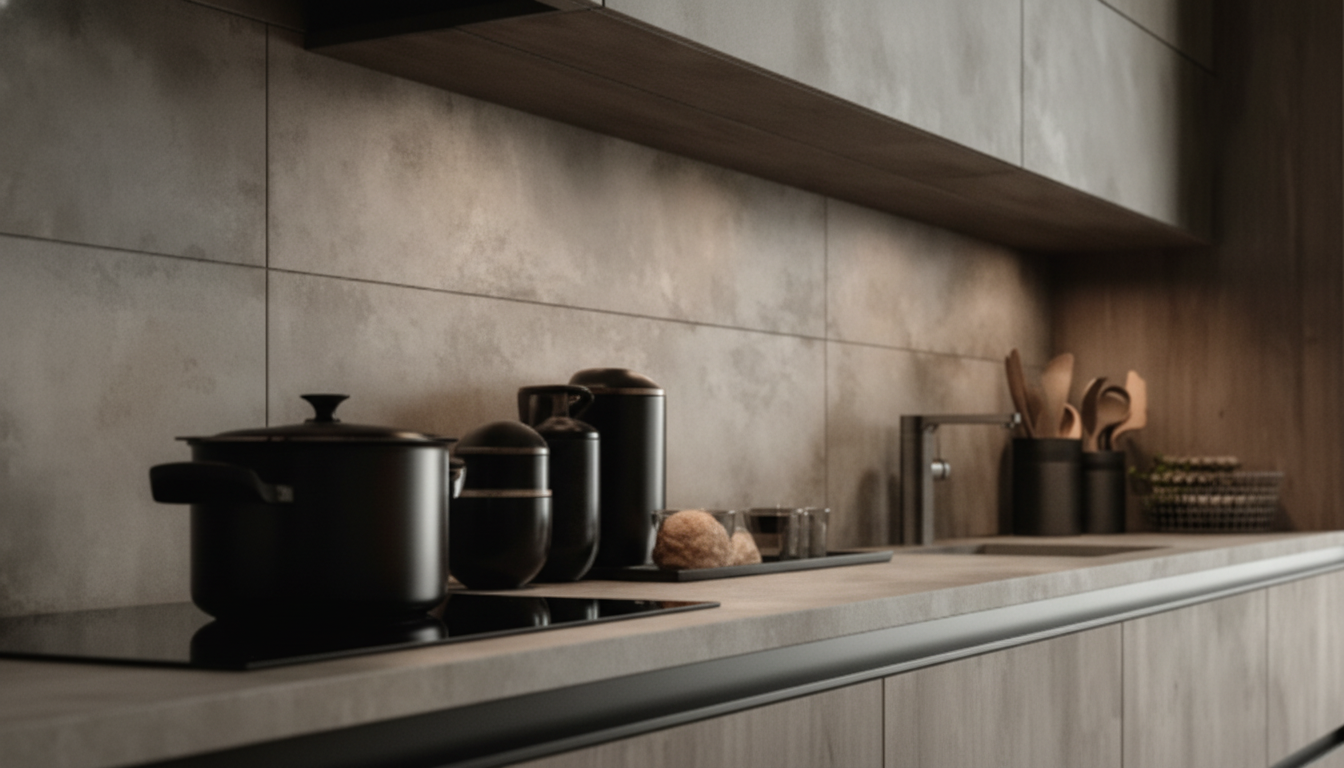
Kitchen Harmony: A One-In, One-Out System That Keeps Counters Clear
A minimalist kitchen stays functional when new items don’t quietly pile up. The one-in, one-out method turns decluttering into an ongoing habit: whenever something enters the kitchen, something else leaves. Instead of marathon cleanouts, it creates a steady, low-stress rhythm for cookware, gadgets, pantry goods, and those “just in case” extras—without wasting usable items or getting stuck in decision fatigue.
Why kitchens re-clutter so fast
Kitchens are designed for daily movement, which makes them one of the quickest rooms to drift back into clutter.
- High item velocity: groceries, cooking tools, and small “helpful” purchases arrive constantly.
- Duplicates hide easily: two peelers, three opened spice jars, multiple half-used oils, and stacks of lids that don’t match anything.
- Aspirational items accumulate: specialty pans and niche gadgets promise future meals, but rarely earn their space.
- Flat surfaces become storage: when cabinets are full, counters turn into a holding zone—making the whole room feel chaotic.
The one-in, one-out rule (made kitchen-realistic)
The rule is simple: for every item brought into the kitchen, remove one comparable item from the kitchen the same day. That “same day” part matters—it prevents the slow creep of “I’ll deal with it later.”
- Match like-for-like when possible: new spatula in = old spatula out; new mug in = least-used mug out.
- Allow category swaps: a new air fryer can mean two bulky single-purpose gadgets leave.
- Use a short grace window for tests: if you’re trying a new tool, set a 7–14 day deadline to decide what stays.
Quick matching guide for one-in, one-out
| If this comes in… | Choose this to go out | Minimum standard to keep |
|---|---|---|
| New mug or glass | Chipped, mismatched, or least-used mug/glass | Comfortable to hold; fits cabinet; used at least weekly |
| New pan or pot | Warped, scratched nonstick, or redundant size | Heats evenly; lid fits; size fills a real cooking need |
| New utensil | Duplicate tool or awkward-to-clean item | Easy to clean; works well; stored neatly |
| New small appliance | One–two single-purpose gadgets | Used at least monthly; has a clear storage spot |
| New spice/sauce | Duplicate or expired spice/sauce | In-date; clearly labeled; actually used in meals |
| New food storage container set | Lidless pieces or odd shapes that don’t stack | Stacks; lids match; used weekly |
Set up a 10-minute “exit lane” so items actually leave
Most kitchens don’t fail at decluttering—they fail at follow-through. Make “out” frictionless.
- Designate one small bin or bag near the exit: keep it modest to avoid creating a new pile.
- Create three quick destinations: Donate (clean, functional), Recycle (packaging, metal), Trash (broken, unsafe, expired).
- Schedule a repeating drop-off moment: tie it to a weekly errand run or a monthly pickup.
- Label donate items: a marker and masking tape stops the “maybe we keep this” drift back into cabinets.
For waste reduction guidance, the EPA’s hierarchy is a helpful reference: Reduce, Reuse, Recycle.
Apply one-in, one-out by kitchen zone
Mugs & drinkware
Set a firm cap (example: 2 per person + 2 guest mugs). When a new one arrives, swap within the cap immediately.
Cookware
Aim for one “best” version per function: one skillet you love, one stockpot you truly use, one sheet pan that doesn’t warp. Redundant sizes and disappointing performers are the easiest “outs.”
Utensils
Keep the most comfortable, easiest-to-clean tool in each role. If two items do the same job, the one that’s annoying to wash is usually the right one to release.
Small appliances
Require a dedicated storage spot. If the cabinet won’t close or you’re forced to store it on the counter, something must go. This rule alone keeps the “appliance creep” in check.
Food storage
Prioritize matching, stackable sets. Anything without a lid, anything that leaks, and anything that won’t nest neatly is taking up space without paying rent.
Linens (towels, oven mitts)
Keep a small rotation. Retire stained, thin, or stiff towels into a rag pile and keep the drawer for the pieces you’re happy to reach for.
Pantry and fridge: one-in, one-out that prevents food waste
For food, the spirit of one-in, one-out is “one new item in, one older item forward.” It’s less about discarding and more about using what you already have.
If you’re unsure about safe storage timelines, the USDA’s FoodKeeper App is a reliable tool for freshness guidance.
A simple weekly rhythm (so it stays effortless)
Common sticking points and quick fixes
A guided reset for fast results
Helpful tools to support the habit
- Kitchen Harmony: Mastering One In, One Out | Minimalist Kitchen Decluttering eBook | Simple Tips for Applying One In One Out in Kitchen
- Large Capacity Non-Woven Clothes & Quilt Storage Bag Organizer (handy for storing seasonal linens or bulky “rarely used” kitchen items outside prime cabinet space)
FAQ
What counts as “one out” if a new item replaces multiple old ones?
That’s a category swap: one larger or better tool can replace two single-purpose items. Use a simple space rule—everything still needs to fit with doors and drawers closing normally—and note the swap once so it becomes your new baseline.
How does one-in, one-out work for pantry staples and groceries?
Instead of throwing food out, move older items to the front each time a new item comes in and avoid keeping duplicates. An “eat first” bin plus a quick scan before grocery day helps you use what you have before it expires.
What if there’s no obvious item to remove when something new comes in?
Default to a fixed container limit: if the drawer or shelf is full, the least-used or hardest-to-clean item becomes the “out.” If you can’t choose an “out” confidently, delay the purchase until you can.
















Leave a comment