Manual Noodle & Dumpling Skin Maker: Even Sheets Fast
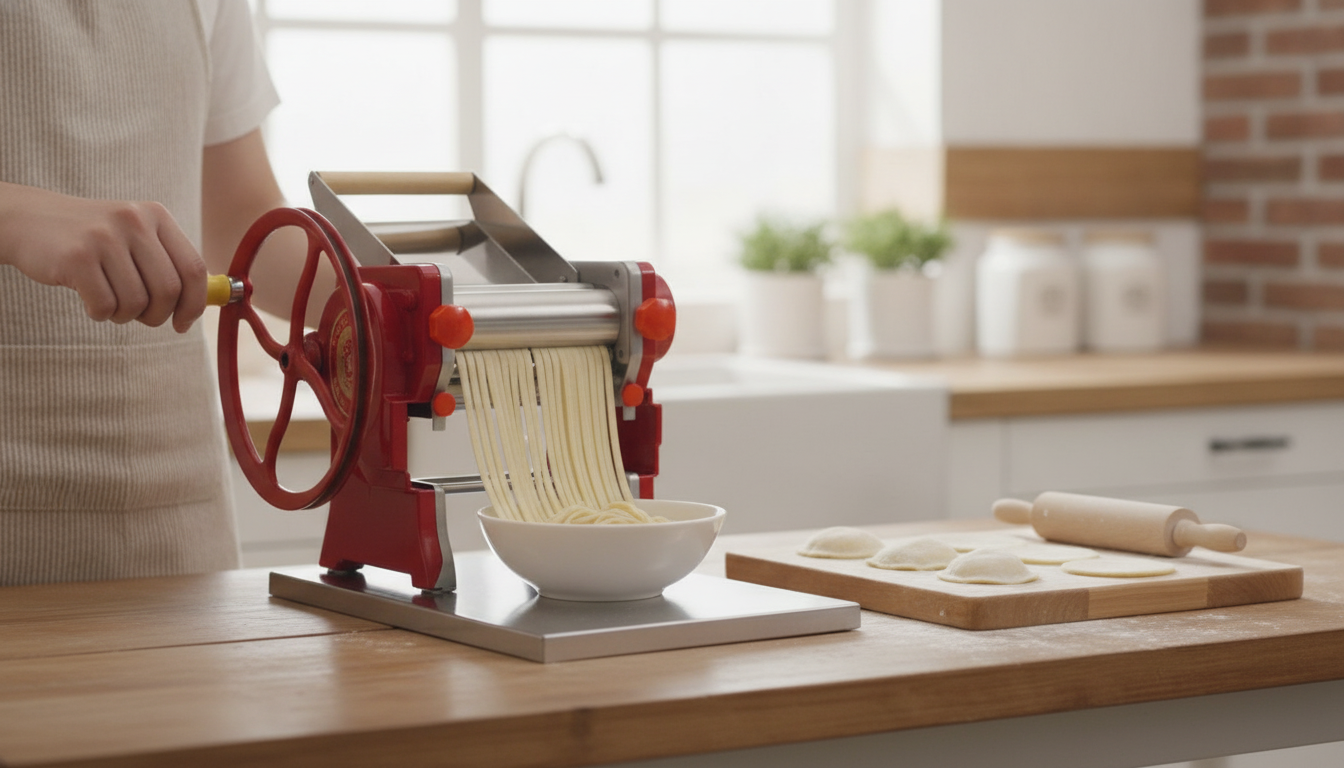
Household Manual Noodles Machine & Dumpling Skin Maker: Consistent Sheets, Better Texture, Less Effort
A manual noodle and dumpling-skin machine turns dough into uniform sheets fast, so wrappers cook evenly and noodles keep a consistent bite. Instead of guessing with a rolling pin, you can repeat the same thickness setting batch after batch—especially helpful when you’re making dumplings for a crowd or prepping noodles ahead for the week.
What this machine is designed to do
At its core, a hand-crank sheeter is built for one job: rolling dough into smooth, even sheets with less work and fewer “thick-thin” surprises. That makes it ideal for:
- Rolling dough into even sheets for dumpling wrappers, wonton skins, and noodle dough
- Reducing hand-rolling time and improving consistency across a batch
- Setting repeatable thickness using adjustable settings, rather than eyeballing
- Handling common dough styles such as wheat-based dumpling dough, egg noodle dough, and many low-hydration pasta-style doughs (depending on formula)
Key features that matter for dumpling skins and noodles
- Roller width: Wider rollers produce larger sheets and reduce the number of passes needed.
- Thickness adjustment: More precise steps make it easier to dial in wrapper thickness without tearing.
- Clamp and stability: A firm clamp and steady base reduce wobble when feeding stiffer dough.
- Materials and finish: Smooth rollers help prevent sticking and should wipe clean easily.
- Handle effort and gearing: Smoother gear action reduces fatigue during longer sessions.
- Countertop clearance: Confirm you have space for the clamp depth and handle rotation arc.
Dough prep for better rolling (the difference between smooth sheets and tearing)
Most rolling problems start before the dough ever hits the rollers. A few small habits make sheeting noticeably smoother:
- Aim for the right hydration: Overly wet dough sticks; overly dry dough cracks when you go thinner.
- Rest the dough: Resting relaxes gluten, helping dough feed smoothly and reducing shrink-back.
- Portion before rolling: Divide into smaller pieces so the first passes don’t overload the rollers.
- Light dusting strategy: Dust lightly with flour or starch, then brush off excess to avoid gummy layers.
- Laminate for structure: Fold the sheet and re-roll a few times for a smoother, more elastic sheet.
- Temperature matters: Cool dough is often firmer and less sticky; very warm dough can smear and cling.
For a deeper look at resting and gluten behavior, King Arthur Baking’s learning resources are a solid reference: https://www.kingarthurbaking.com/learn/guides.
Step-by-step: rolling dumpling skins that cook evenly
- Start thick: Run dough through the widest setting until it feeds smoothly without tearing.
- Reduce gradually: Step down one setting at a time. Skipping steps can cause jagged edges and weak spots.
- Use a guide dusting: Dust only when the sheet starts to feel tacky, not automatically on every pass.
- Target thickness by dumpling type: Thicker for boiling, medium for most pan-fried/steamed, thinner for wontons and delicate steamed wrappers.
- Cut and portion: Use a round cutter for consistent size; keep wrappers covered so edges don’t dry out.
- Batch workflow: Roll a long sheet, cut rounds, stack with a light dusting between, cover, then fill.
Common thickness targets and best uses
| Sheet thickness (general) | Best for | Handling tip |
|---|---|---|
| Thick | Boiled dumplings, thicker-skinned potstickers | Let wrappers rest briefly after cutting to reduce shrinkage |
| Medium | All-purpose dumplings, shumai skins | Keep covered; rotate stacks to prevent sticking |
| Thin | Wontons, delicate steamed dumplings | Dust lightly and handle edges gently to avoid tearing |
Making noodles from sheets: cleaner cuts and better bite
Once your sheet thickness is consistent, noodle-making becomes far more predictable—especially for cooking time and texture.
Cleaning, maintenance, and food-safety basics
- Avoid soaking rollers: Wipe with a dry or slightly damp cloth; moisture in gears can shorten lifespan.
- Brush off flour first: Use a soft brush or dry towel to remove residue before wiping.
- Clean promptly: Dried dough is harder to remove and can affect smooth rolling next time.
- Sanitation routine: Keep hands and surfaces clean, especially with egg-based doughs. General guidance is available from the USDA FSIS: https://www.fsis.usda.gov/food-safety/safe-food-handling-and-preparation.
- Storage: Store dry, covered, and unclamped to reduce stress on parts.
- Periodic checks: Tighten fasteners as needed and watch for unusual grinding or wobble.
For more formal retail-style sanitation standards, the FDA Food Code is a helpful reference: https://www.fda.gov/food/retail-food-protection/fda-food-code.
Troubleshooting common issues
Featured picks (in stock)
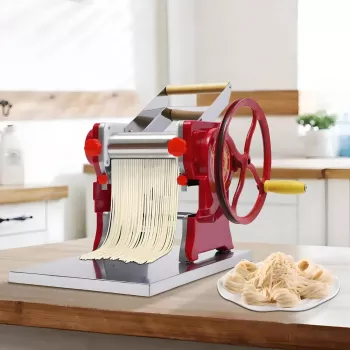
- Household Manual Noodles Machine Commercial Dumpling Skin Maker — a practical option for repeatable wrapper thickness and smoother noodle sheets.
- Luxury Marble Round Coffee Table with Gold Stainless Steel Base — a statement piece for serving tea, snacks, and dumplings when it’s time to eat.
FAQ
Can this type of manual machine handle dumpling dough and noodle dough?
Yes—most wheat-based dumpling and noodle doughs roll well when they’re properly rested and portioned. Very wet doughs can stick, and very dry doughs can crack, so hydration and gradual thickness changes make a big difference.
How thin should dumpling wrappers be for boiling vs pan-frying?
Boiled dumplings often do better with slightly thicker wrappers for durability and a chewier bite. Pan-fried and steamed dumplings usually work well at medium to thinner settings for tenderness; adjust one setting at a time and test a few pieces.
What is the best way to clean the rollers after use?
Brush off flour and dough bits first, then wipe the rollers with a dry or slightly damp cloth. Avoid soaking, and let everything dry fully before storing so moisture doesn’t linger in seams or gears.













Leave a comment