USB Breast Pump for Postpartum: Pump Anywhere, Anytime

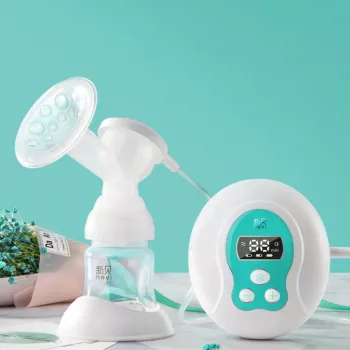
USB Breast Pump for Postpartum Women: Comfortable Pumping at Home, Work, or On the Go
Postpartum feeding plans can change day to day—between recovery, sleep, and newborn schedules. A USB-rechargeable breast pump supports flexible pumping without being tied to a wall outlet, helping maintain milk supply and relieve fullness when timing is unpredictable.
Why USB-powered pumping fits postpartum life
Early postpartum weeks can involve frequent feeds, short naps, and a lot of “right now” moments. A USB-charged pump can make it easier to respond to those moments without rearranging the whole day.
- Rechargeable use supports pumping during middle-of-the-night sessions, commutes, and travel.
- Less dependence on power outlets can reduce stress when pumping outside the home.
- A compact setup can make it easier to keep a consistent routine, which helps many parents maintain supply.
- USB charging works with common power sources such as wall adapters, power banks, and laptops (as compatible).
USB Breast Pump for Postpartum Women: highlights and what to expect
The USB Breast Pump for Postpartum Women is built around convenience—especially helpful when pumping has to happen between diaper changes, meetings, or a quick break in the car.
- Designed for postpartum use with a focus on convenience and portability.
- USB charging supports flexible daily routines and quick top-ups between sessions.
- Intended to help with regular milk expression and comfort during engorgement periods.
- Best results typically come from correct flange fit, consistent schedule, and proper cleaning.
Quick facts at a glance
| Product | Price | Availability | Where to buy |
|---|---|---|---|
| USB Breast Pump for Postpartum Women | 199.67 USD | In stock | happyproductsmarket.shop |
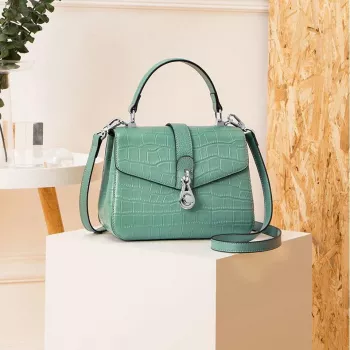
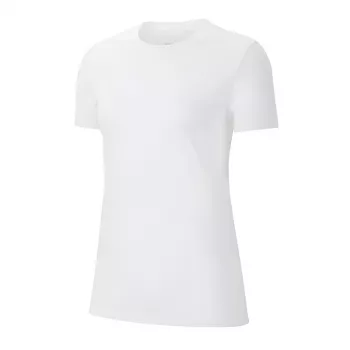
To make pumping away from home feel simpler, it can help to keep a dedicated “grab-and-go” setup. A structured carryall such as the Trendy Fashion Top Handle Leather Shoulder Bag can work as a pump bag for short outings (especially if you add a small insulated pouch and a wet/dry bag). Comfortable clothing also matters on long pumping days; an easy, breathable top like the Nike Women’s White T-Shirt with Round Neck and Short Sleeves can make it easier to relax your shoulders and avoid feeling restricted during sessions.
Comfort and fit: the biggest factors for effective pumping
When pumping feels “off,” the issue is often fit rather than effort. Comfort supports letdown, and a better seal supports steadier suction—both can affect output and how sore you feel afterward.
- Flange size and nipple comfort strongly affect output and soreness; a too-large or too-small fit can reduce milk flow.
- Start with gentle suction and gradually increase to a comfortable level—pain is a sign to stop and adjust.
- Lubrication (food-safe nipple balm) can reduce friction if approved by a lactation professional.
- Watch for signs of poor fit: pinching, blanching, persistent pain, or areola pulling excessively into the tunnel.
Centering matters more than it seems. If the nipple rubs the tunnel wall, even a short session can feel uncomfortable. Reposition, recheck the seal, and try again with a lower setting before increasing suction.
Using a USB pump safely and effectively (simple routine)
A repeatable routine can make pumping feel less mental—especially when you’re tired. The goal is consistent, comfortable milk expression while keeping parts clean and milk handled safely.
- Wash hands before handling pump parts and milk storage containers.
- Assemble dry parts correctly; check valves/membranes for wear to keep suction consistent.
- Use a comfortable posture and ensure the flange is centered; start with a letdown-friendly setting if available.
- Typical sessions often run 10–20 minutes, but duration varies by comfort and feeding goals.
- After pumping, store milk promptly using clean containers and label with date/time; follow safe storage guidelines.
- Clean parts that contact milk after each use; sanitize as recommended for newborn or medically fragile babies.
Milk storage basics (general guidance)
| Location | Common time window | Notes |
|---|---|---|
| Room temperature | Up to ~4 hours | Shorter is better in warm environments |
| Refrigerator | Up to ~4 days | Store toward the back, not in the door |
| Freezer | About 6–12 months | Best quality earlier; avoid frequent temperature swings |
For detailed, up-to-date handling guidance, review the CDC breast milk storage recommendations. For broader postpartum breastfeeding considerations, ACOG’s breastfeeding FAQ and La Leche League’s pumping resource are also helpful references.
Charging, battery care, and travel tips
USB charging is all about making pumping more forgiving when the day runs long. A few small habits can keep performance consistent.
Cleaning and maintenance checklist
Troubleshooting quick guide
| Issue | Likely cause | Try this first |
|---|---|---|
| Low suction | Worn valve/membrane, poor seal, low battery | Charge, reseat parts, inspect/replace silicone pieces |
| Discomfort | Flange size/position, suction too high | Resize/recenter flange, lower suction, add lubrication if appropriate |
| Milk backing up | Overfilled bottle, incorrect assembly | Reduce volume, reassemble carefully, keep upright |
When to get extra support
FAQ
How often should a postpartum parent pump when building or maintaining supply?
Many parents aim to pump about every 2–3 hours in the early weeks when establishing supply, especially if baby isn’t nursing effectively. The right frequency depends on baby’s age, how often breastfeeding happens, and your own health—so a lactation consultant can help tailor a plan.
Is a USB-rechargeable breast pump safe to use every day?
Daily use is common when you follow the manufacturer’s instructions, use correct flange sizing, and keep parts that contact milk properly cleaned. Keep the motor unit dry and use compatible chargers to reduce safety and performance issues.
Why does pumping hurt and how can it be made more comfortable?
Pain is often linked to flange size, misalignment, or suction that’s set too high too quickly. Recenter the flange, start on a gentler setting, and address nipple care; if pain persists or nipples are damaged, get lactation support promptly.













Leave a comment