Kids Freestyle Bike: 14″/16″ with Training Wheels Set
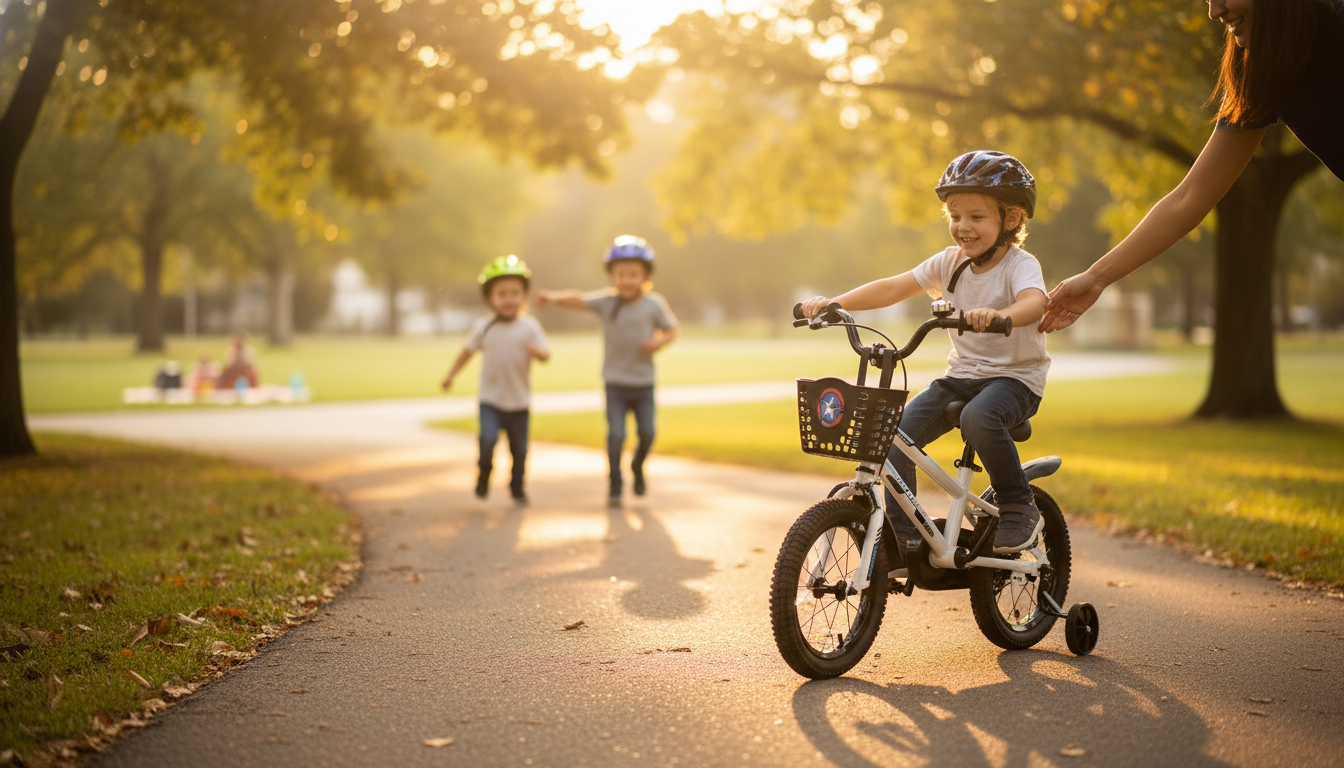
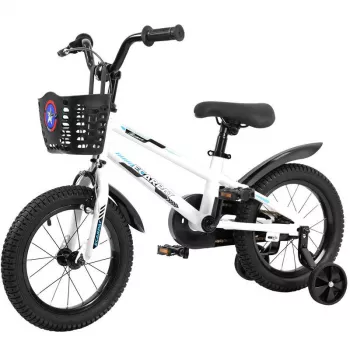
Kids Freestyle Bicycle with Training Wheels, Bell, Basket, and Fender for Safe, Fun Riding (Ages 3–12)
A well-matched kids bike builds confidence fast—especially when it includes stability aids and practical accessories. This freestyle-style kids bicycle is designed for everyday neighborhood rides with training wheels for balance, a bell for awareness, a front basket for small essentials, and fenders to help keep clothes cleaner on damp paths. The result is a ride that feels “grown-up” to kids while staying approachable for parents who want predictable handling, safer starts and stops, and less mess after puddle season.
What Makes This Bike a Good Starter-to-Confident-Rider Option
Kids tend to ride more often when a bike feels stable, easy to manage, and fun to show off. This setup checks those boxes with a handful of features that matter in daily use:
- Training wheels support early balance and help reduce tip-overs during starts and stops—often the trickiest moments for new pedalers.
- Bell encourages safe signaling and helps kids practice sharing sidewalks and paths with awareness.
- Front basket adds kid-friendly utility for carrying a small toy, water bottle, or snacks on short adventures.
- Fenders help block splashes from puddles and wet pavement, keeping rides more comfortable (and laundry loads smaller).
- Freestyle-inspired styling delivers a “big kid” look while keeping the bike practical for everyday cruising.
Choosing the Right Size: 14″ vs 16″ and a Quick Fit Check
A correct fit improves control, braking confidence, and comfort on longer rides. Age ranges are helpful as a starting point, but height and inseam are the real decision-makers—especially for kids who are right between sizes.
Try a quick stand-over and reach check: the rider should be able to get on/off easily and reach the handlebars without leaning excessively. If you’re between sizes, prioritize stable starting and stopping; many families size for confidence rather than maximum “grow room.” After a growth spurt, recheck fit and adjust saddle height accordingly.
Simple Sizing and Fit Checks for Kids Bikes
| Wheel Size | Typical Age Range | Best For | Quick Fit Check |
|---|---|---|---|
| 14″ | Approx. 3–6 | First pedal bike, learning with training wheels, shorter reach | Kid can place feet down confidently when stopping; easy mount/dismount |
| 16″ | Approx. 5–8 (sometimes up to ~10 depending on height) | More confident pedaling, longer neighborhood rides, steadier cruising | Comfortable reach to bars; stable starts; knees not hitting handlebars |
| Either size | Up to 12 (varies by height) | Best match depends on height/inseam rather than age alone | Saddle adjusts so legs extend with a slight bend at the bottom of the pedal stroke |
Safety Features and Habits That Matter Most
The most important safety “feature” is consistent routine. A few small habits dramatically reduce wipeouts and close calls:
- Helmet fit is non-negotiable: level on the head, low on the forehead, snug straps forming a “V” under each ear. See the CPSC helmet guidance for fit basics: CPSC Bicycle Helmets: Safety Information.
- Closed-toe shoes and bright clothing improve pedal grip and visibility to drivers and other riders.
- Practice braking early in a flat, open area before riding on sidewalks or shared paths. “Slow first, then steer” prevents most panic turns.
- Adult supervision is especially important near driveways, intersections, and parking lots where kids can’t always judge speed or right-of-way.
- Pre-ride check: tires firm, wheels secure, handlebars straight, brakes responsive, and training wheels evenly aligned.
For a kid-friendly refresher you can turn into a simple checklist, Safe Kids Worldwide has practical reminders: Safe Kids Worldwide: Bike Safety Tips.
Accessories Kids Actually Use: Bell, Basket, and Fenders
Some accessories look cute but rarely get used. These three tend to become part of the routine because kids notice the difference immediately:
- Bell: teach a simple routine—ring once, slow down, pass with space, and say “excuse me” when appropriate. It’s a great early habit for shared paths.
- Basket: keep loads light to avoid affecting steering; soft items (stuffed toy, small jacket, light snack bag) are best for balance.
- Fenders: especially helpful for dewy mornings, damp paths, and puddle-prone neighborhoods. A quick wipe-down after wet rides keeps the bike cleaner and reduces grime around moving parts.
When a bike feels “complete,” kids often choose it more—quick laps after school, a short ride to the park, or a weekend family roll around the neighborhood.
From Training Wheels to Independent Riding: A Smooth Progression
If you want extra general sizing and readiness guidance, REI’s overview is a solid reference point: REI Co-op: Kids’ Bike Size Chart (general guidance).
Assembly, Setup, and Ongoing Care
When This Bike Is a Great Gift (and When to Consider Other Options)
Shop In-Stock Picks
- Kids Freestyle Bicycle 14″/16″ with Training Wheels, Bell, Basket, and Fender – Safe and Fun Cycling for 3-12 Years Old
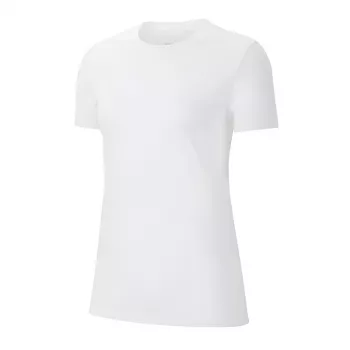
- Nike Women’s White T-Shirt with Round Neck and Short Sleeves
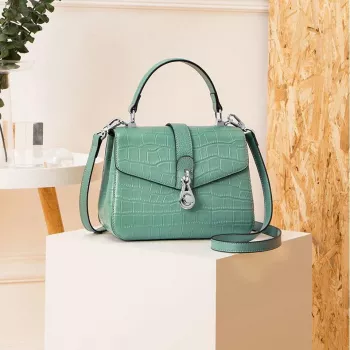
- Trendy Fashion Top Handle Leather Shoulder Bag
FAQ
What age is a 14-inch or 16-inch kids bike best for?
As a starting point, 14″ bikes often fit ages about 3–6, while 16″ commonly fits about 5–8 (sometimes older depending on height). The best match depends more on height/inseam and whether your child can stop confidently and reach the handlebars comfortably.
Can training wheels be adjusted or removed as my child improves?
Yes—training wheels are typically installed for learning, can be raised gradually (evenly on both sides) to encourage balance, and removed once your child can start, pedal, and stop smoothly while staying upright. After any adjustment or removal, recheck bolt tightness before the next ride.
What should be checked before each ride to keep it safe?
Do a quick routine: helmet fit, tire firmness, brakes working, wheels secured, handlebars straight, chain moving smoothly, and training wheels aligned evenly. Keeping the checklist short makes it easier for kids to learn and repeat.












Leave a comment