Bamboo & Rattan Pendant Chandelier: SE Asian Style Guide
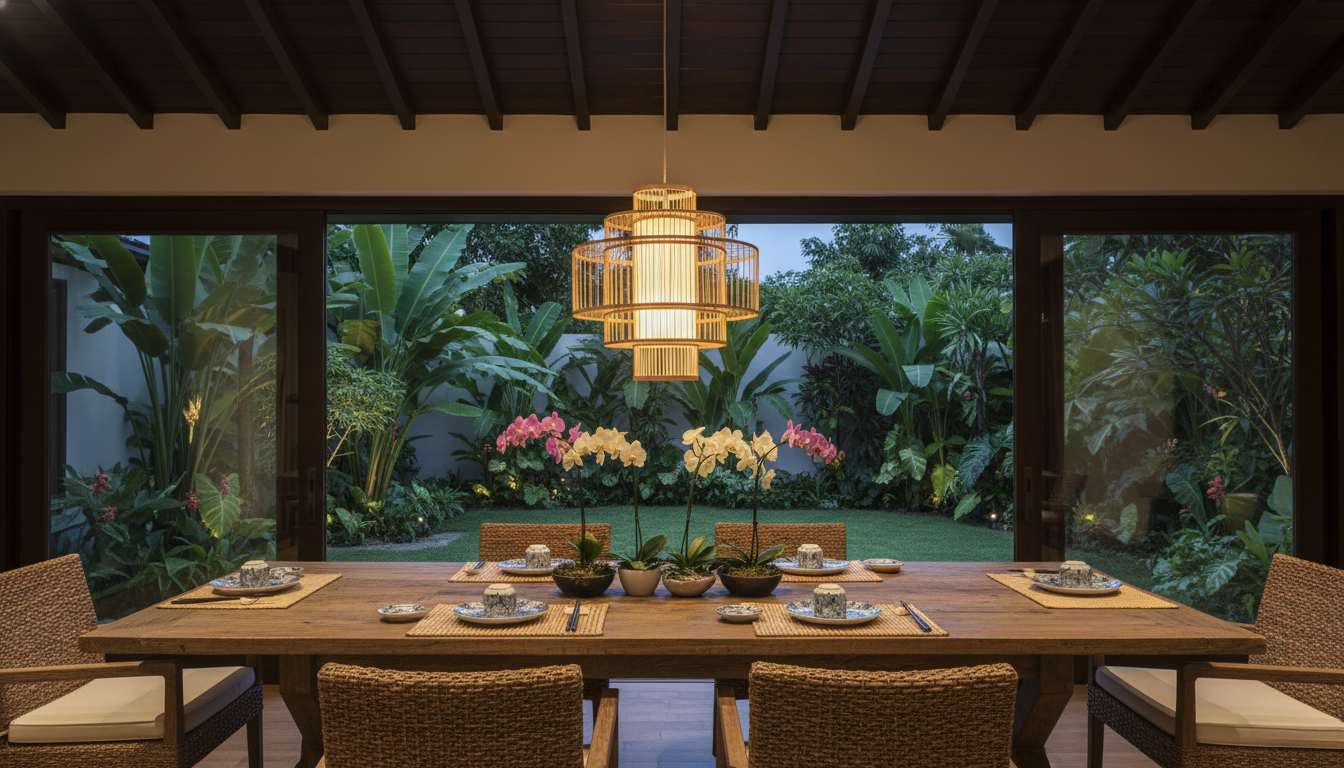
Southeast Asian-Inspired Bamboo and Rattan Pendant Chandelier
Warm, sculptural, and naturally textured, a bamboo and rattan pendant chandelier brings Southeast Asian–inspired craft details into modern interiors. The appeal is simple: natural fibers soften a room, the woven shade adds depth without visual heaviness, and the light it casts feels relaxed rather than clinical. Whether you’re refreshing a dining nook or giving an entryway a more welcoming first impression, this style of fixture can deliver atmosphere while still feeling clean and current.
If you’re shopping for a statement piece, start with the Southeast Asian-Inspired Bamboo and Rattan Pendant Chandelier, then build the surrounding finishes around its natural tones—wood, stone, linen, and warm metals tend to make the texture look intentional and elevated.
What Makes the Look Distinct
Bamboo and rattan lighting stands apart because it’s both architectural and tactile. The woven surface isn’t just decoration; it shapes the way light behaves in the room.
- Natural fiber weaving creates layered light patterns and a softer glow than many metal or glass fixtures.
- Bamboo structure adds strength and a clean outline that reads sculptural, even when the room is minimally styled.
- Rattan texture pairs easily with wood, stone, linen, and warm metals for an inviting, resort-like feel.
- It can move across styles—coastal, Japandi, modern organic, boho, and eclectic—without feeling themed.
Where It Works Best at Home
Because bamboo and rattan naturally “warm up” a space, these chandeliers work especially well in rooms where you want a calm focal point that doesn’t overpower the palette.
- Dining area: Centers the table and adds atmosphere for everyday meals and gatherings.
- Living room: Anchors a seating area when floor lamps alone feel too low or uneven.
- Bedroom: Creates a calm focal point while keeping the look light and airy.
- Entryway: Sets a welcoming tone and adds visual interest from the first step inside.
- Covered outdoor spaces: Only if rated for damp locations, it enhances a patio or veranda with a natural, relaxed vibe.
To balance the chandelier’s organic texture with a refined surface, consider pairing it with a statement table like the Luxury Marble Round Coffee Table with Gold Stainless Steel Base in an adjacent seating area. The contrast between woven fibers and polished marble keeps the room feeling layered and finished.
Sizing and Placement Basics
Good placement is what makes a pendant chandelier feel “custom” instead of accidental. The goal is to keep the fixture proportional to the room and comfortably out of the way.
- Choose a shade size that balances the room: too small can look lost; too large can overwhelm low ceilings.
- Dining height: Hang so the bottom of the fixture sits roughly 30–36 inches above the tabletop (adjust to sightlines and ceiling height).
- Living room/entry height: Ensure the lowest point is typically at least 7 feet above the floor where people pass under it.
- Center over key furniture—dining table, coffee table, or seating area—rather than centering strictly to the room if the layout is asymmetrical.
- If using multiple pendants, maintain consistent spacing and align them to furniture edges for a deliberate, designed look.
Quick Placement Guide
| Location | Typical Hanging Target | Notes |
|---|---|---|
| Dining table | Bottom of fixture ~30–36 in above tabletop | Adjust for tall centerpieces and seated sightlines |
| Kitchen island | Bottom of fixture ~30–36 in above counter | Use 2–3 pendants; keep even spacing |
| Entryway | Lowest point typically ≥ 7 ft from floor | Allow clearance for doors and tall guests |
| Living room | Maintain comfortable head clearance | Center over main seating zone or coffee table |
Lighting Feel: Bulbs, Brightness, and Dimming
- Warm-white bulbs (often in the 2700K–3000K range) complement bamboo and rattan tones.
- A dimmer switch helps shift from practical brightness to evening ambiance without changing fixtures. For general guidance on dimmers and compatibility, see UL Solutions.
- If the weave casts strong patterns, consider a bulb with a frosted finish to soften the spread.
- Match bulb type and wattage to the fixture’s rating; for LED, focus on lumens rather than watts. The U.S. Department of Energy’s LED lighting overview is a helpful reference.
- Layer lighting with wall sconces, floor lamps, or recessed lights to reduce harsh shadows and make the chandelier feel like part of a complete plan.
Materials, Craft Details, and What to Look For
Care and Maintenance for Natural Fibers
- Dust regularly with a soft brush or microfiber duster to prevent buildup.
- Vacuum gently using a brush attachment on low suction for deeper cleaning.
- Keep away from prolonged high humidity or direct water exposure unless the fixture is specifically rated for it.
- Avoid harsh cleaners; spot-clean carefully with a lightly damp cloth and let it dry fully.
- Maintain stable indoor conditions to reduce the chance of warping or cracking over time. For broader home environment considerations, review the EPA’s indoor air quality guidance.
Styling Ideas with Complementary Pieces
If you’re aiming for a resort-like living room, the combination of a woven pendant overhead and a reflective accent below—like the Luxury Marble Round Coffee Table with Gold Stainless Steel Base—creates a balanced mix of soft and sleek finishes.
FAQ
Does bamboo and rattan lighting work in modern interiors?
Yes. The clean silhouette can read modern while the weave adds warmth; keep surrounding finishes simple and repeat one or two natural textures for balance.
How high should a pendant chandelier hang over a dining table?
A common target is about 30–36 inches from the tabletop to the bottom of the fixture, adjusted for ceiling height, sightlines, and the fixture’s size.
How do you clean a rattan pendant shade without damaging it?
Dust with a soft brush or microfiber duster and use a vacuum brush attachment on low. Avoid soaking; if spot-cleaning, use a lightly damp cloth and dry thoroughly.











Leave a comment